
Owner, MVP Insurance
If a customer's Silverado rolls off a lift, a tech burns his forearm on a manifold, or PennDOT shows up to audit your inspection records, your insurance gets tested fast. Most shop owners find out what their policy actually covers at the worst possible moment. This guide walks through every piece of coverage a Pennsylvania garage should understand before that moment arrives.
Comprehensive Pennsylvania Auto Repair Shop Insurance for Modern Garages
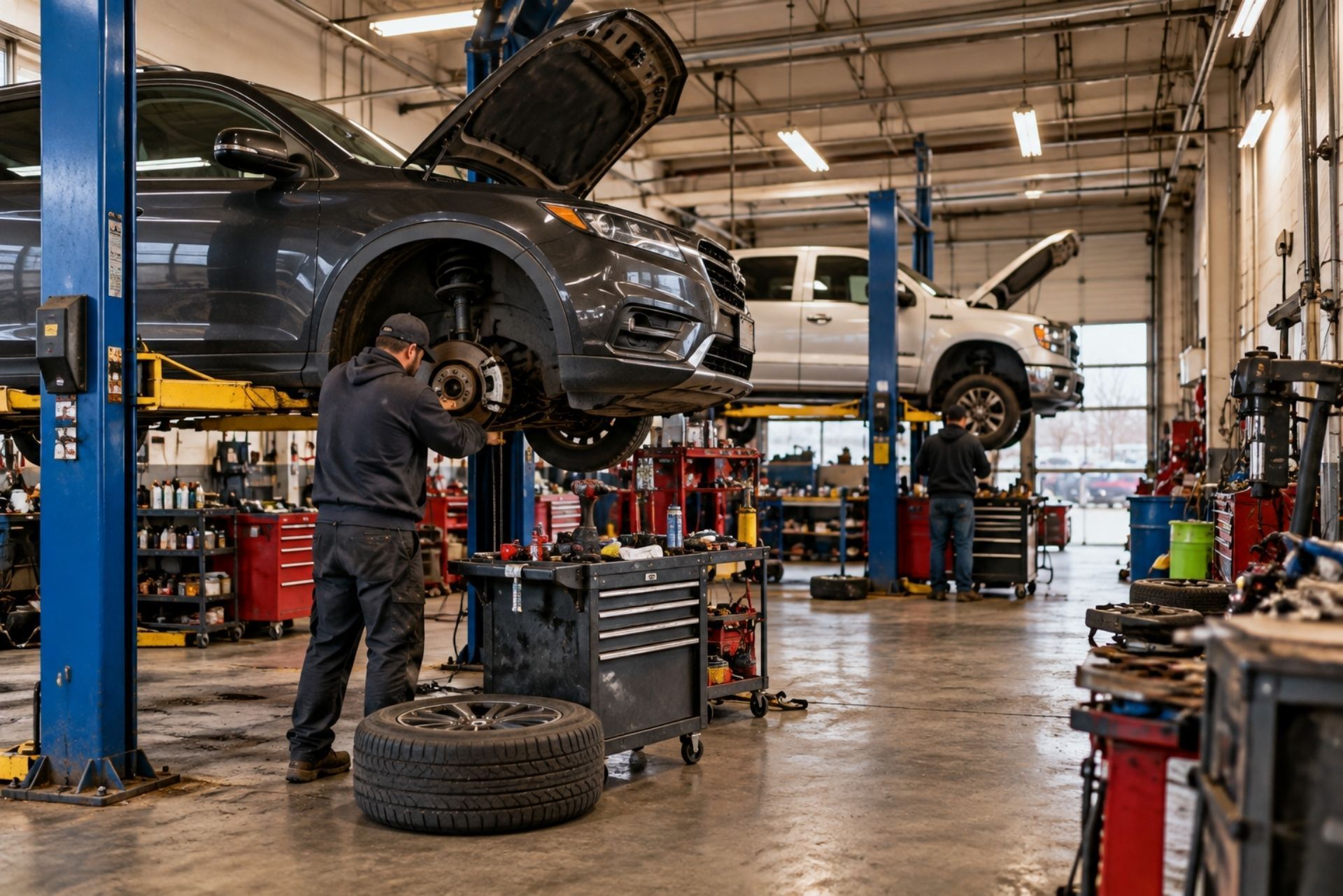
Pennsylvania auto repair shop insurance combines garage liability, garagekeepers, and commercial property coverage into one protection plan built for mechanics. It handles risks a standard business policy ignores: damage to customer vehicles in your bays, injuries to customers and technicians, inspection station exposure, and theft or loss of expensive tools and lifts.
A general liability policy written for a retail store or office won't fit a garage. Retail policies assume customers browse and leave. Your customers hand you keys to a $60,000 truck, wait in a lobby next to the service bay, and expect that truck back in the same shape plus a repair. That's a completely different risk profile, and carriers price and write it differently.
A well-built garage program usually includes these pieces:
- Garage liability for injuries and property damage caused by your operations
- Garagekeepers for customer vehicles while they're in your hands
- Commercial property and inland marine for the building, tools, scanners, and lifts
- Workers compensation for technicians and shop staff
- Commercial auto for tow trucks, shuttles, and parts runners
- Inspection-related endorsements if you're a PennDOT certified inspection station
The mistake we see most often is a shop that grew into its coverage instead of planning it. A two-bay operation buys a basic package, adds a third tech, a second lift, and inspection certification, and never updates the policy. Five years later, the limits and schedules describe a business that no longer exists. (If you came looking for our old Garage insurance page, this is its new home, with fuller detail on every coverage.)

On this page
MVP Insurance is a local, independent agency, licensed to serve individuals and businesses across Ohio and Pennsylvania.
We serve clients from our offices in New Springfield and Zelienople and throughout Northeast Ohio and Western Pennsylvania, working with multiple carriers to help homeowners, drivers, renters and condo owners, landlords, contractors, restaurant owners, shop owners, auto repair shops, professional offices and many other personal and commercial clients find coverage that fits.
Garage Liability Insurance vs Garagekeepers Coverage
Garage liability covers bodily injury and property damage to third parties that comes from your shop's operations. Garagekeepers covers damage to customer vehicles while they're in your care, custody, and control. One protects you from what your business does to people and their property in general. The other protects the specific cars you're working on.
Here's how that plays out in real claims. A customer slips on an oil patch near bay two and breaks a wrist: garage liability. A brake job you completed fails two days later and the customer rear-ends someone: garage liability, usually under the products and completed operations portion. Your tech backs the customer's car into a pole while moving it to the lot: that's garagekeepers.
The confusion happens because many owners assume liability covers anything that goes wrong. It doesn't. Standard garage liability excludes damage to property in your care, custody, or control, which is exactly where every customer car sits. Without garagekeepers, that bumper repair or totaled vehicle comes out of your operating account.
Garage liability also differs from a standard general liability form in one key way: it's designed around auto service operations, so it often addresses things like vehicle movement on premises and completed repairs more directly. Ask your agent which form you're actually on, because some shops discover they've been sold general liability with a garage label slapped on the dec page.
Garagekeepers Coverage for Customer Vehicles
The trigger for garagekeepers is care, custody, and control. A vehicle falls under that definition the moment it's on your lot awaiting service, sitting in a bay, parked overnight inside your building, or being test-driven by your technician. If the customer has handed over the keys and the car is under your supervision, it's in your care.
That covers a wider range of situations than most owners expect. A hailstorm pounds the six cars parked out front waiting for pickup. A thief breaks into the lot and strips catalytic converters. A tech takes a Honda out for a road test after a suspension job and gets T-boned at an intersection. All of these land on garagekeepers, assuming you've chosen the right coverage form.
The form matters a lot, and there are three main options:
- Legal liability: pays only if you're legally at fault. The hailstorm claim above? Probably not covered, because you didn't cause the hail.
- Direct primary: pays for covered damage regardless of fault. This keeps customer relationships intact because you don't have to argue negligence.
- Direct excess: pays regardless of fault, but only after the customer's own auto insurance responds.
Most of the shops we talk with prefer direct primary. It costs more than legal liability, but explaining to a loyal customer that their car was damaged on your lot and your policy won't pay is a quick way to lose them. Also check your per-vehicle and per-location limits against the most expensive cars you service, not the average ones.
PennDOT Inspection Station Exposure and Compliance
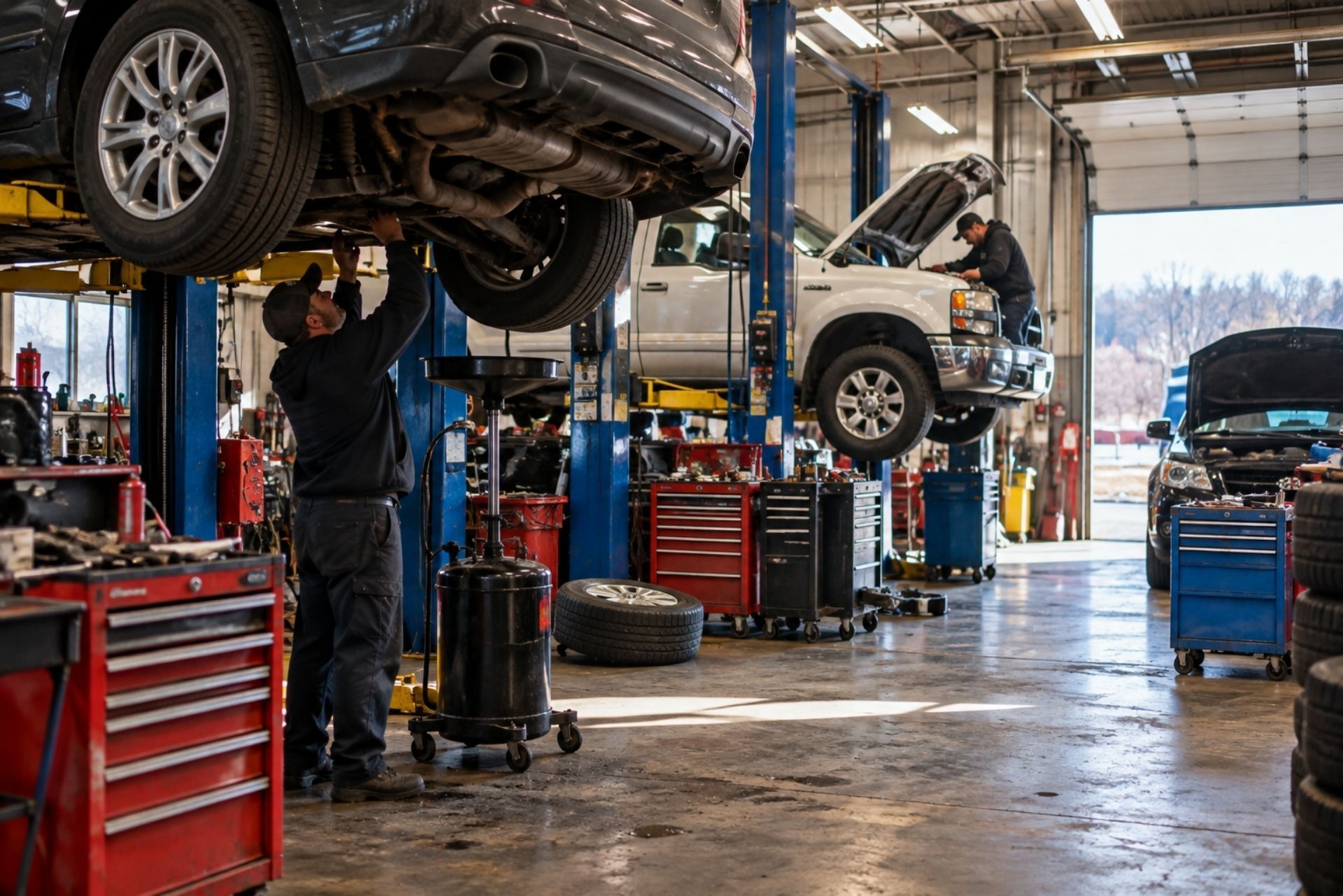
Pennsylvania certified inspection stations face professional liability risks tied to state-mandated safety and emissions testing. Passing a vehicle that shouldn't pass, failing one improperly, or mishandling records can create both regulatory penalties and lawsuits, and those risks usually require specialized endorsements beyond standard garage liability.
Think about what an inspection sticker represents. Your certified inspector is attesting, on the state's behalf, that a vehicle met safety standards on that date. If that vehicle's brakes fail a month later and someone gets hurt, plaintiff attorneys will look hard at the inspection record. Was the sticker justified? Were the measurements documented? A standard garage policy may not respond cleanly to claims rooted in professional judgment, which is why inspection or errors and omissions endorsements exist.
The regulatory side has teeth too. PennDOT runs a point-based enforcement system, and a station faces an automatic two-month suspension for every point accumulated over nine. Ten points means two months without inspection revenue. Violations that commonly generate points include fraudulent record keeping and issuing stickers to defective vehicles. Insurance won't pay PennDOT fines or restore your certification, but strong record practices protect you on both the regulatory and liability fronts.
Rules keep shifting. PennDOT issued Safety Bulletin BI26-01 in September 2026, updating requirements for printed safety inspection records and procedures for reporting lost or stolen inspection certificates. Lost certificate stock is a real exposure: if blank stickers walk out the door, you have a reporting obligation and a potential fraud problem. Meanwhile, House Bill 649 seeks to extend the repair grace period for unsafe vehicles from 5 to 15 days, citing labor shortages at inspection stations. Its status may change, so verify at publish and with your inspector training updates. Tell your agent you inspect, how many inspectors you employ, and whether you do emissions testing.
Protecting Your Commercial Property Tools and Lifts
High-value diagnostic scanners, alignment machines, and hydraulic lifts need specific scheduled coverage so they're replaced at full replacement cost after a loss. Lumping them into a blanket business personal property limit often leaves shops underinsured, especially when equipment moves off premises or values have climbed since the policy was written.
Walk your shop and add it up honestly. A two-post lift, a four-post alignment rack, an ADAS calibration rig, an OEM-level scan tool with subscriptions, a tire machine, a balancer, an A/C recovery unit. Many shops are sitting on equipment worth well into six figures, and the property limit was set years ago when they had half of it. Your building coverage through commercial property insurance in Pennsylvaniashould be matched with an accurate equipment schedule.
Replacement cost versus actual cash value is where claims get ugly. Under actual cash value, a seven-year-old lift damaged in a fire pays its depreciated value, which won't come close to buying a new one installed. Replacement cost pays what it takes to replace it with comparable new equipment. The premium difference is usually modest compared with the gap you'd eat after a loss.
Tools that leave the building need inland marine coverage. Mobile service calls, roadside work, and equipment loaned to another location all fall outside a standard property policy's premises. Annual premiums for tools and equipment inland marine coverage in Pennsylvania typically run from $300 to $1,200, depending on total replacement value.
One more gap to close: technician-owned tools. Many techs own $20,000 to $50,000 worth of their own tools in rolling boxes at your shop. Your policy may not cover them at all, or may cap employee tools at a low sublimit. Decide whether you'll insure them or require techs to carry their own, and put that decision in writing.
Workers Comp for Technicians and Shop Staff
Pennsylvania law requires workers compensation for employees, including technicians, service writers, and part-time help. It pays medical bills and lost wages when someone is hurt on the job, whether that injury comes from heavy machinery, chemical exposure, or years of repetitive strain.
Auto repair is physical work with constant hazards. A jack stand fails. A tech gets brake cleaner in the eyes. A tire bead seats unexpectedly and the rim catches a hand. Those acute injuries get attention, but the slower claims often cost more: back injuries from leaning into engine bays, shoulder damage from overhead work under lifts, carpal tunnel from impact tools, and respiratory issues from solvents and exhaust.
Workers comp also protects you as the owner. In most cases, it's the exclusive remedy for workplace injuries, which limits an employee's ability to sue you directly. Operating without it in Pennsylvania exposes you to state penalties and leaves you personally responsible for medical costs and lost wages, which can bankrupt a small shop after a single serious injury.
A few practical points we see shop owners miss:
- Classify employees correctly. A service writer who never touches a car carries a different rate than a heavy-line tech. Misclassification inflates premiums or triggers audit bills.
- Don't call techs contractors to dodge coverage. If you control their hours, tools, and methods, the state likely sees them as employees.
- Track your experience mod. A clean claims history lowers your rate over time. A documented safety program, lift inspections, and PPE rules help keep it that way.
- Expect an audit. Your premium is based on estimated payroll. If you hire two techs mid-year, the audit will catch it.
Comparing Pennsylvania Garage Insurance Limits and Requirements
The only coverage Pennsylvania mandates for a typical repair shop with employees is workers compensation, plus commercial auto liability for any vehicles you register and drive. Everything else is technically optional, though landlords, lenders, and dealer or franchise agreements frequently require it. Practically speaking, a shop without garagekeepers or garage liability is one bad week away from serious trouble.
Here's a scannable overview. Limits shown are common starting points we discuss with shops, not rules; your numbers should reflect your vehicle mix, revenue, and contracts.
| Coverage | What It Protects | Common Limits | PA Status |
|---|---|---|---|
| Garage liability | Injury and damage to third parties | $1M per occurrence / $2M aggregate | Recommended; often contract-required |
| Garagekeepers | Customer vehicles in your care | Per-vehicle and per-location, sized to highest-value cars | Recommended |
| Commercial property | Building, contents, equipment | Full replacement cost of assets | Recommended; lender-required if financed |
| Inland marine (tools) | Tools and equipment, on or off site | Total replacement value of schedule | Recommended |
| Workers comp | Employee injuries, lost wages | Statutory medical and wage benefits | Required with employees |
| Commercial auto | Tow trucks, shuttles, parts vehicles | At least PA minimums; higher advised | Required for registered vehicles |
| Inspection E&O endorsement | Claims tied to PennDOT inspections | Varies by carrier | Recommended for certified stations |
| Umbrella | Extra limits above liability policies | $1M to $5M | Recommended |
Use the table as a checklist during renewal. If your current policy has no line for a coverage you clearly need, ask why. If a limit hasn't moved in years while your revenue and equipment have doubled, that's your cue to revisit it. We compare garage programs across several carriers for clients in many industries,and limits that fit one shop can be badly off for the shop down the road.
Common Questions About PA Mechanic Insurance
Most questions we hear from Pennsylvania mechanics come down to cost, legal requirements, and whether a specific situation is covered. Here are straight answers in plain language.
Do I need garagekeepers for a home shop? Yes, if you're working on other people's cars for pay. Your homeowners policy almost certainly excludes business activity and customer vehicles, so a car damaged in your garage could leave you paying out of pocket.
How much is workers comp for a PA mechanic? It depends on your payroll, the classification codes for each role, and your claims history. A shop with a clean record and correctly classified staff will pay less than one with past injuries, so a quote based on your actual payroll is the only reliable number.
Does garage liability cover damage to customer cars? No. Garage liability excludes property in your care, custody, or control, which is why garagekeepers exists as a separate coverage.
Am I covered if a technician damages a car during a test drive? Yes, if you carry garagekeepers. A test drive by your employee counts as the vehicle being in your care, though you'll also want to confirm how commercial auto and garage liability respond to injuries to other drivers.
Does insurance pay PennDOT fines or suspension losses? Generally, no. Policies don't cover regulatory fines, so clean record keeping and inspector training are your real protection against points and suspensions.
Are my technicians' personal tools covered? Often not, or only up to a small sublimit. Check your property and inland marine policies, and decide in writing whether the shop or the tech insures employee-owned tools.
Consult with MVP Insurance for Your Pennsylvania Garage Policy
A repair shop's insurance has to cover four very different things at once: the cars you don't own, the people who walk through your door, the equipment that makes your shop run, and the technicians who do the work. Garage liability, garagekeepers, property and inland marine, workers comp, and inspection endorsements each fill one of those gaps. Miss one, and the claim that lands there is yours alone.
MVP Insurance is an independent agency founded in 2008 by Josh Medure and David Varrati. Because we work for you rather than a carrier, we compare garage programs side by side, check your coverage forms and limits against how your shop actually operates, and support you around the clock when a claim happens. Call our Zelienople office at 108 E Grandview Ave, Zelienople, PA 16063, (724) 453-1122, or our New Springfield office at 13823 Grant St, New Springfield, OH 44443, (330) 707-9055, to have Josh or David review your current policy.
If renewal is coming up or you've added bays, techs, or inspection certification since your last review, now is a smart time to start your quote.A short conversation today can keep a single lift accident or lot claim from becoming a business-ending event. MVP Insurance is licensed in Ohio (#37714) and Pennsylvania (#519263), NPN 10588293.
MVP Insurance is a local, independent agency, licensed to serve individuals and businesses across Ohio and Pennsylvania.
We serve clients from our offices in New Springfield, Ohio and Zelienople, Pennsylvania and throughout Northeast Ohio and Western Pennsylvania, working with multiple carriers to help contractors, landlords and real estate investors, restaurants, retail shops, auto repair shops, professional offices and many other personal and commercial clients find coverage that fits.
Our Owners
Two friends who started an agency
Owner
Joshua Medure
I am a Penn State marketing graduate with more than ten years in insurance. My childhood friend David and I started MVP Insurance in Northeast Ohio because we wanted the people around us to have an agency that gives honest advice, real choices and someone who picks up the phone. I lead the agency’s insurance strategy, which means I read the policies so our clients do not have to. Away from the office, I coach youth football.
About the Author
Joshua Medure
Owner, MVP Insurance
I am a Penn State marketing graduate with more than ten years in insurance. My childhood friend David and I started MVP Insurance in Northeast Ohio because we wanted the people around us to have an agency that gives honest advice, real choices and someone who picks up the phone. I lead the agency’s insurance strategy, which means I read the policies so our clients do not have to. Away from the office, I coach youth football.
Personal Insurance in Ohio & Pennsylvania
Coverage for your home, your car, and your family
Protect the everyday things that mean the most to you.
Homeowners Insurance
Your home is one of your most valuable assets. We compare carriers to protect the house, your belongings, and your liability.
Car Insurance
We proactively shop the market to find the best combination of coverage and price for every car in your driveway.
Renters Insurance
Own a condo or rent your home? We insure your unit, your belongings, and your personal liability at a fair rate.
Umbrella Insurance
Extra liability protection above your home and auto policies. Large coverage limits for a small added cost each year.
Life Insurance
Protect the people who rely on you most, so they can keep their home and lifestyle if the unexpected happens.
Flood Insurance
Standard home policies do not cover flooding. We help you add flood coverage through the NFIP or a private carrier before the water rises.
Business Insurance in Ohio & Pennsylvania
No matter how big or small your business, we protect it
Practical coverage for your people, your property, and the work you do.
General Liability
Business Owners Policy

Professional Liability
Commercial Property

Workers Compensation
Commercial Auto
Industries We Serve
Insurance built around the work you do
Every industry carries different risks. We know the coverage each one needs and shop the carriers that write it well.
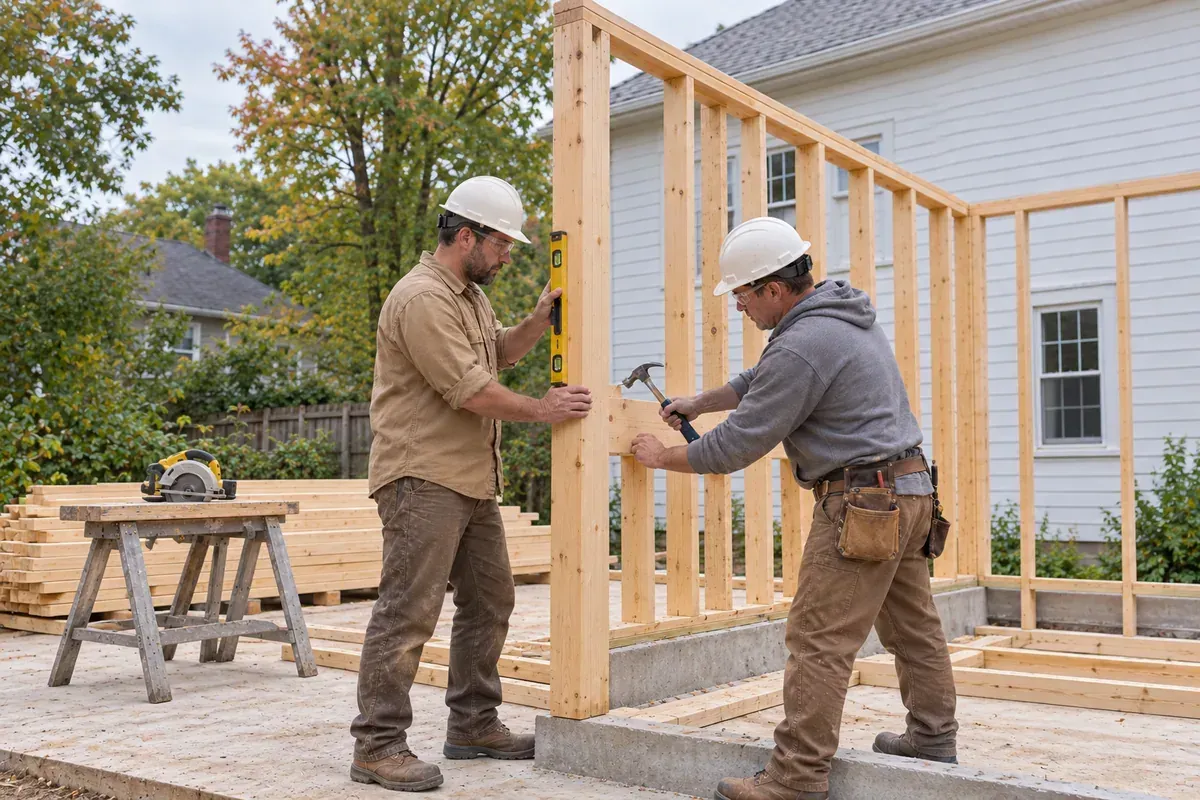
Contractors Insurance
General contractors, remodelers, roofers, and trade crews. We cover the liability, tools, vehicles, and workers your jobs depend on.
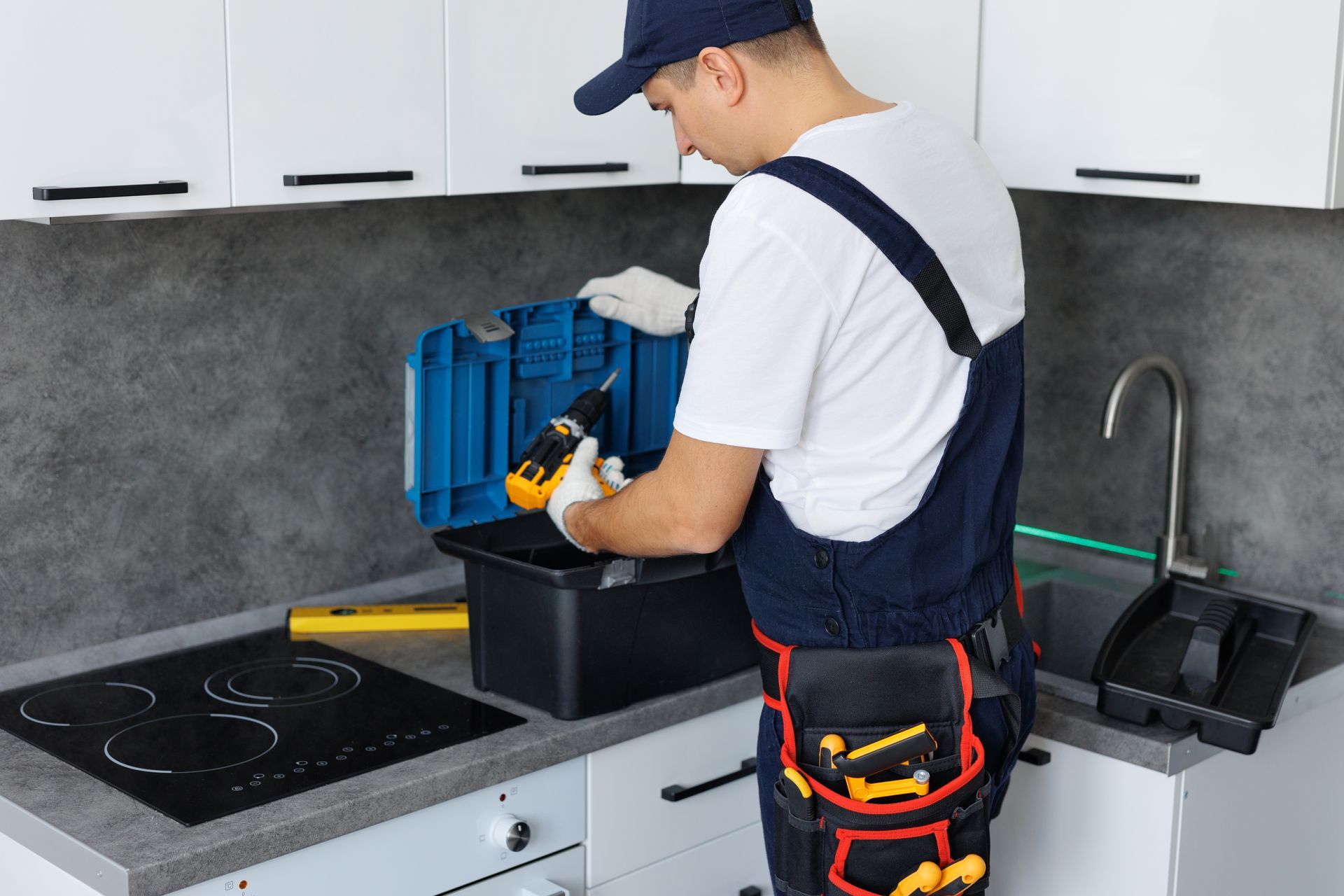
Plumber Insurance
Water damage claims follow plumbers everywhere. We cover your liability, your tools, your van, and your crew, job after job.

Restaurant Insurance
Kitchens, bars, and cafes face fire, spoilage, and slip risks. We package property, liability, and liquor coverage in one plan.
5-Star Rated on Google
What our clients say
Our clients say it best. Here is what they share about working with Josh, Dave, and the MVP team.
Contractors & Tradesmen
General contractors, roofers, electricians and plumbers. We cover liability, tools, vehicles and crews so every job stays protected.
Insurance Tips & News
Insurance tips for Ohio and Pennsylvania families and businesses
Practical ideas for protecting what matters to you.
Insurance Questions, Answered
Questions our clients ask
A little clarity can make your next step easier.
What does an independent insurance agency do?
An independent agency works with multiple insurance companies. We compare your options, explain the differences, and help you choose coverage that fits your needs.
Can MVP Insurance quote both my home and auto?
Yes. We can compare home and auto insurance options together. We explain available discounts and check how the policies work together.
Do you insure businesses in Ohio and Pennsylvania?
Yes. We help businesses in both states compare options for property, liability, employees, and commercial vehicles. The right policy depends on your work and the risks involved.
How do I import my current policy for a quote?
Use our Canopy policy import link to share your current policy information. Our team can then review your existing coverage and compare options with you.
How do I report a claim or make a payment?
Visit our Client Center for billing and claims information. You can also call either office for help finding the right carrier contact.
How often should I review my insurance?
Review your coverage each year and after a major change, such as a move, new vehicle, or business expansion. Tell us what changed so we can help you check your protection.

Covington office, Monday through Friday
Call
614 E. Boston St., Covington, LA 70433
58418 Tyler Drive, Slidell, LA 70461
Request Your Free Quote
Let's make insurance simple for you
Tell us what you need. We will help you explore your options.