

Owner, MVP Insurance
PPennsylvania Business Owners Policy
Condo and renters
If you own a condo, your association covers the building and you cover your unit, your belongings and your liability. Renters cover their belongings and liability only. Both policies cost less than most people expect.
A Pennsylvania business owners policy bundles commercial property and general liability coverage, usually with business interruption, into one package built for smaller, lower-risk companies. Offices, retail shops and many small contractors qualify based on size, class of work and revenue. Endorsements fill common gaps, and once your operations grow or get riskier, you move to separate commercial policies.
That's the short version. The longer version matters because the details decide whether a claim gets paid. A BOP looks simple on the declarations page, but the eligibility rules, the exclusions and the add-ons you skip can turn a routine water leak or slip-and-fall into an expensive surprise. Pennsylvania also has its own regulatory wrinkles, from contractor registration rules to recent court decisions on how policies get interpreted.
This guide walks through how the bundle works, who fits, which endorsements earn their keep, and the signs you've outgrown the package. It's written for owners in places like Butler County, Pittsburgh's northern suburbs and the rest of western Pennsylvania who want to understand what they're buying before they sign.
What is a Pennsylvania Business Owners Policy?
A Pennsylvania business owners policy is a packaged insurance contract that combines general liability and commercial property coverage, so a small business buys one policy instead of two or three. The package is designed for common, predictable risks: an office with computers and furniture, a boutique with inventory, or a handyman with tools and a pickup full of materials.
The appeal comes down to efficiency. Insurers price a BOP knowing the business sits in a lower-risk class, so bundling often costs less than buying each coverage alone. Market data suggests that combining general liability, property and business interruption typically saves 10% to 25% compared to standalone policies, though your actual numbers depend on your class, location and claims history.
Pennsylvania keeps a close eye on these products. The state Insurance Department explicitly maintained strict rate and form regulation for BOP and commercial general liability policies to protect small business consumers, even while loosening rules for other lines. That oversight was reinforced when the Department issued Notice 2026-07 on April 12, 2026, modernizing filing requirements without relaxing the standards on BOPs.

On this page
MVP Insurance is a local, independent agency, licensed to serve individuals and businesses across Ohio and Pennsylvania.
We serve clients from our offices in New Springfield and Zelienople and throughout Northeast Ohio and Western Pennsylvania, working with multiple carriers to help homeowners, drivers, renters and condo owners, landlords, contractors, restaurant owners, shop owners, auto repair shops, professional offices and many other personal and commercial clients find coverage that fits.
Core Coverages: Property and Liability Bundled
A BOP protects two things at once: the stuff you own and your responsibility to other people. That combination is why MVP Insurance puts Business Owners Insurance front and center on its homepage, since it solves the most common problems small companies face in a single policy.
On the property side, coverage typically applies to your building (if you own it), business personal property like inventory, fixtures, computers and furniture, and often tenant improvements if you lease. Picture a burst pipe flooding the back room of a Cranberry Township gift shop. The property portion pays to replace damaged stock and shelving, subject to your deductible and limits.
The liability side handles third-party claims for bodily injury and property damage. A customer trips on a rug, or your crew scratches a client's hardwood floor during a job. For a deeper look at this piece, see our page on general liability insurance in Pennsylvania.
One recent development works in policyholders' favor. In July 2026, the Pennsylvania Supreme Court ruled that insurance exclusions must be explicitly written, so insurers can't deny a duty to defend based on vague public policy arguments. Read your exclusions anyway, because the clearly written ones still apply.
Business Interruption Insurance
Business interruption coverage (often listed as business income) replaces lost income and pays ongoing expenses when a covered property loss forces you to close. Think rent, payroll and loan payments while a fire-damaged storefront gets rebuilt.
The most common mistake we see is assuming it pays for any shutdown. It's usually triggered by direct physical damage from a covered cause, and coverage often starts after a waiting period. Check the time limit too, since many policies cap the period of restoration.

Who Qualifies for a BOP in Pennsylvania?
Eligibility usually depends on three factors: the size of the business, its class of work and its annual revenue. Insurers want predictable, lower-hazard operations, and they use those three filters to decide who gets the package price.
Size often gets measured two ways. Standard guidelines typically look for fewer than 100 employees and a physical footprint somewhere under 25,000 to 50,000 square feet, depending on the insurer. Revenue caps vary widely by carrier and by class, so a business that qualifies with one company may get declined by another.
Class of work carries the most weight. Each business gets assigned a classification code, and some codes simply aren't BOP-eligible. A bakery with a deep fryer, a bar with late-night hours or a roofer working three stories up will usually get pushed toward separate policies. This is where an independent agency helps, because shopping multiple carriers reveals who is comfortable with your specific operation.
Offices, Retail Shops, and Small Contractors
These three groups make up the bulk of BOP buyers in Pennsylvania:
- Offices: Accountants, insurance agents, real estate offices and consultants are classic fits. Low foot traffic and minimal equipment hazards keep them squarely eligible.
- Retail shops: Clothing stores, hardware stores, florists and gift shops usually qualify. Inventory values and seasonal stock swings matter, so set limits for your peak season, not January.
- Small contractors: Carpenters, painters, electricians and handymen often qualify if they avoid high-hazard work like roofing.
Contractors have an extra layer. Pennsylvania contractors doing more than $5,000 in annual residential work must register with the Attorney General and show proof of at least $50,000 in personal injury liability and $50,000 in property damage coverage. A BOP's liability limits typically clear that bar easily. If your registration lapsed during the state's system outage, note that the compliance grace period ended on June 8, 2026.
Comparing Pennsylvania BOP Coverage Options
Most BOPs follow a similar structure, but limits and options shift by carrier and business type. The table below shows common setups so you can see how the property and liability halves compare. Figures are illustrative of typical market offerings, not guarantees, and your quote may differ.
| Coverage Area | What It Covers | Common Limit Options | Key Question to Ask |
|---|---|---|---|
| General liability (per occurrence) | Third-party injury and property damage | $500,000, $1M or $2M | Does my client contract require more? |
| General liability (aggregate) | Total liability paid per policy year | $1M, $2M or $4M | Is the aggregate per location or per policy? |
| Building | Structure you own | Replacement cost value | Is it insured to current rebuild cost? |
| Business personal property | Inventory, equipment, furniture | Based on your valuation | Does it cover peak season stock? |
| Business income | Lost income after covered damage | Often 12 months actual loss | Is there a waiting period? |
| Medical payments | Minor injuries regardless of fault | Commonly $5,000 to $10,000 | Is it included or optional? |
| Deductible | Your share of property claims | $500 to $5,000 | Does a higher deductible make sense? |
Two takeaways stand out. Liability limits are usually higher than people expect, while property limits depend entirely on the values you report. Underreporting inventory to shave premium is a gamble that often backfires at claim time.
Written By
David Varrati
Owner, MVP Insurance
Owner, MVP Insurance
On this page
01
Tell us about your household
Your home, your vehicles, your drivers and anything else you want protected.
02
Import your current policies through Canopy or send your declarations
Use Canopy to share what you have today, or send us the declarations pages.
We shop and compare the carriers we represent
We compare coverage and price, then explain the differences in plain terms.
03
04
Review, bind, and relax
Once you approve, we bind the policies, send your ID cards and set a reminder for next year's review.
Common Endorsements to Enhance Your Policy
Endorsements are add-ons that close gaps in the standard BOP form, and most Pennsylvania businesses need at least one or two. The base policy handles typical risks, but it leaves out several exposures that cause real claims every year.
Here are the endorsements we see matter most:
- Data breach and cyber coverage: A dental office or retail shop storing customer card data faces notification costs and credit monitoring expenses after a breach. Base BOPs offer little or nothing here.
- Equipment breakdown: Covers mechanical or electrical failure of HVAC units, walk-in coolers, compressors and computer systems. A florist losing a cooler full of stock in July will appreciate this one.
- Hired and non-owned auto: Protects you when employees drive their own cars or rented vehicles for business errands. This doesn't replace commercial auto for company-owned vehicles.
- Contractors' tools and equipment: Covers tools on job sites or in transit, which standard property coverage often limits to your premises.
- Employee dishonesty: Pays for theft by employees, a quieter risk for retailers handling cash.
- Utility service interruption: Extends business income coverage when an off-site power failure shuts you down.
- Additional insured endorsements: Contractors often need these to satisfy general contractor or client requirements.
The trick is matching endorsements to what you actually do. A bookkeeper doesn't need tools coverage, and an electrician probably doesn't need spoilage protection. Review your add-ons every renewal, since operations change faster than policies do.
Written By
David Varrati
Owner, MVP Insurance
Owner, MVP Insurance
On this page
| Coverage Area | What It Covers | Common Limit Options | Key Question to Ask |
|---|---|---|---|
| General liability (per occurrence) | Third-party injury and property damage | $500,000, $1M or $2M | Does my client contract require more? |
| General liability (aggregate) | Total liability paid per policy year | $1M, $2M or $4M | Is the aggregate per location or per policy? |
| Building | Structure you own | Replacement cost value | Is it insured to current rebuild cost? |
| Business personal property | Inventory, equipment, furniture | Based on your valuation | Does it cover peak season stock? |
| Business income | Lost income after covered damage | Often 12 months actual loss | Is there a waiting period? |
| Medical payments | Minor injuries regardless of fault | Commonly $5,000 to $10,000 | Is it included or optional? |
| Deductible | Your share of property claims | $500 to $5,000 | Does a higher deductible make sense? |
Two takeaways stand out. Liability limits are usually higher than people expect, while property limits depend entirely on the values you report. Underreporting inventory to shave premium is a gamble that often backfires at claim time.
When Do You Outgrow a Business Owners Policy?
You outgrow a BOP when you exceed revenue or size thresholds, move into higher-risk work, or need professional liability that a standard bundle can't provide. Growth is good news, but it often means your package no longer fits.
Revenue and headcount are the usual triggers. Hire past the carrier's employee limit, open a second large warehouse, or push sales beyond the class cap, and the insurer may non-renew or reclassify you. A contractor who adds commercial work or expands into roofing can lose eligibility overnight.
Specialized risk is the other big reason. A BOP doesn't cover professional errors, so an engineering firm, IT consultant or architect needs separate professional liability (errors and omissions). Liquor liability, products liability for manufacturers and large commercial auto fleets also fall outside the package.
When that happens, you typically shift to a commercial package policy or separate monoline policies with umbrella coverage on top. It costs more, but the coverage fits the operation. Our Pennsylvania business insurancepage covers the broader options businesses move into after a BOP.
Written By
David Varrati
Owner, MVP Insurance
Owner, MVP Insurance
On this page
01
Tell us about your household
Your home, your vehicles, your drivers and anything else you want protected.
02
Import your current policies through Canopy or send your declarations
Use Canopy to share what you have today, or send us the declarations pages.
We shop and compare the carriers we represent
We compare coverage and price, then explain the differences in plain terms.
03
04
Review, bind, and relax
Once you approve, we bind the policies, send your ID cards and set a reminder for next year's review.
Does a BOP cover workers compensation? No. Workers compensation is a separate policy, and Pennsylvania generally requires it once you have employees. Sole proprietors have different rules, and a March 2026 state Supreme Court decision held that sole proprietors aren't required to give 120-day injury notice to receive benefits.
How much does a BOP cost in PA? It depends on your class of work, location, property values, revenue and claims history. An office with modest equipment will pay far less than a contractor with tools and job-site exposure, so a personalized quote is the only reliable number.
Does a BOP cover my company vehicle? No. Vehicles your business owns need commercial auto insurance. The hired and non-owned auto endorsement only covers rented vehicles and employees' personal cars used for work.
Can a home-based business get a BOP? Often, yes. Homeowners policies usually exclude or sharply limit business property and liability, so a BOP or home business endorsement fills that gap.
Is a BOP enough for contractor registration in Pennsylvania? Usually, because standard BOP liability limits exceed the state minimums for home improvement contractors. Confirm the certificate lists the right business name.
Does a BOP cover flood damage?
Generally no. Flood requires separate coverage, which matters for businesses near creeks and rivers across western Pennsylvania.
Frequently Asked Questions About PA BOPs
Does a BOP cover workers compensation? No. Workers compensation is a separate policy, and Pennsylvania generally requires it once you have employees. Sole proprietors have different rules, and a March 2026 state Supreme Court decision held that sole proprietors aren't required to give 120-day injury notice to receive benefits.
How much does a BOP cost in PA? It depends on your class of work, location, property values, revenue and claims history. An office with modest equipment will pay far less than a contractor with tools and job-site exposure, so a personalized quote is the only reliable number.
Does a BOP cover my company vehicle? No. Vehicles your business owns need commercial auto insurance. The hired and non-owned auto endorsement only covers rented vehicles and employees' personal cars used for work.
Can a home-based business get a BOP? Often, yes. Homeowners policies usually exclude or sharply limit business property and liability, so a BOP or home business endorsement fills that gap.
Is a BOP enough for contractor registration in Pennsylvania? Usually, because standard BOP liability limits exceed the state minimums for home improvement contractors. Confirm the certificate lists the right business name.
Does a BOP cover flood damage? Generally no. Flood requires separate coverage, which matters for businesses near creeks and rivers across western Pennsylvania.
Written By
David Varrati
Owner, MVP Insurance
Owner, MVP Insurance
On this page
| Coverage Area | What It Covers | Common Limit Options | Key Question to Ask |
|---|---|---|---|
| General liability (per occurrence) | Third-party injury and property damage | $500,000, $1M or $2M | Does my client contract require more? |
| General liability (aggregate) | Total liability paid per policy year | $1M, $2M or $4M | Is the aggregate per location or per policy? |
| Building | Structure you own | Replacement cost value | Is it insured to current rebuild cost? |
| Business personal property | Inventory, equipment, furniture | Based on your valuation | Does it cover peak season stock? |
| Business income | Lost income after covered damage | Often 12 months actual loss | Is there a waiting period? |
| Medical payments | Minor injuries regardless of fault | Commonly $5,000 to $10,000 | Is it included or optional? |
| Deductible | Your share of property claims | $500 to $5,000 | Does a higher deductible make sense? |
Two takeaways stand out. Liability limits are usually higher than people expect, while property limits depend entirely on the values you report. Underreporting inventory to shave premium is a gamble that often backfires at claim time.
Consulting with MVP Insurance for Your Policy
The right BOP comes from honest answers about your size, class and revenue, followed by smart endorsement choices and an annual check for signs you've outgrown it. State officials put it well, encouraging small businesses to shop around for plans at a price that makes sensefor their current financial situation.
That's exactly the work an independent agency does. MVP Insurance, founded in 2008 by Josh Medure and David Varrati, compares policies from multiple carriers so you don't have to make the calls yourself. Reach Josh or David at our Zelienople office, 108 E Grandview Ave, Zelienople, PA 16063, (724) 453-1122, or our New Springfield office, 13823 Grant St, New Springfield, OH 44443, (330) 707-9055, for a personalized review of your business insurance. MVP Insurance holds Ohio license #37714, Pennsylvania license #519263 and NPN 10588293.
If you're weighing a new BOP or wondering whether your current one still fits, start your quotetoday. A short conversation now beats discovering a gap after the pipe bursts.
MVP Insurance is a local, independent agency, licensed to serve individuals and businesses across Ohio and Pennsylvania.
We serve clients from our offices in New Springfield, Ohio and Zelienople, Pennsylvania and throughout Northeast Ohio and Western Pennsylvania, working with multiple carriers to help contractors, landlords and real estate investors, restaurants, retail shops, auto repair shops, professional offices and many other personal and commercial clients find coverage that fits.
Our Owners
Two friends who started an agency
Owner
Joshua Medure
I am a Penn State marketing graduate with more than ten years in insurance. My childhood friend David and I started MVP Insurance in Northeast Ohio because we wanted the people around us to have an agency that gives honest advice, real choices and someone who picks up the phone. I lead the agency’s insurance strategy, which means I read the policies so our clients do not have to. Away from the office, I coach youth football.

About the Author
Joshua Medure
Owner, MVP Insurance
I am a Penn State marketing graduate with more than ten years in insurance. My childhood friend David and I started MVP Insurance in Northeast Ohio because we wanted the people around us to have an agency that gives honest advice, real choices and someone who picks up the phone. I lead the agency’s insurance strategy, which means I read the policies so our clients do not have to. Away from the office, I coach youth football.
Personal Insurance in Ohio & Pennsylvania
Coverage for your home, your car, and your family
Protect the everyday things that mean the most to you.
Homeowners Insurance
Your home is one of your most valuable assets. We compare carriers to protect the house, your belongings, and your liability.
Car Insurance
We proactively shop the market to find the best combination of coverage and price for every car in your driveway.
Renters Insurance
Own a condo or rent your home? We insure your unit, your belongings, and your personal liability at a fair rate.
Umbrella Insurance
Extra liability protection above your home and auto policies. Large coverage limits for a small added cost each year.
Life Insurance
Protect the people who rely on you most, so they can keep their home and lifestyle if the unexpected happens.
Flood Insurance
Standard home policies do not cover flooding. We help you add flood coverage through the NFIP or a private carrier before the water rises.
Business Insurance in Ohio & Pennsylvania
No matter how big or small your business, we protect it
Practical coverage for your people, your property, and the work you do.
General Liability
Business Owners Policy

Professional Liability
Commercial Property

Workers Compensation
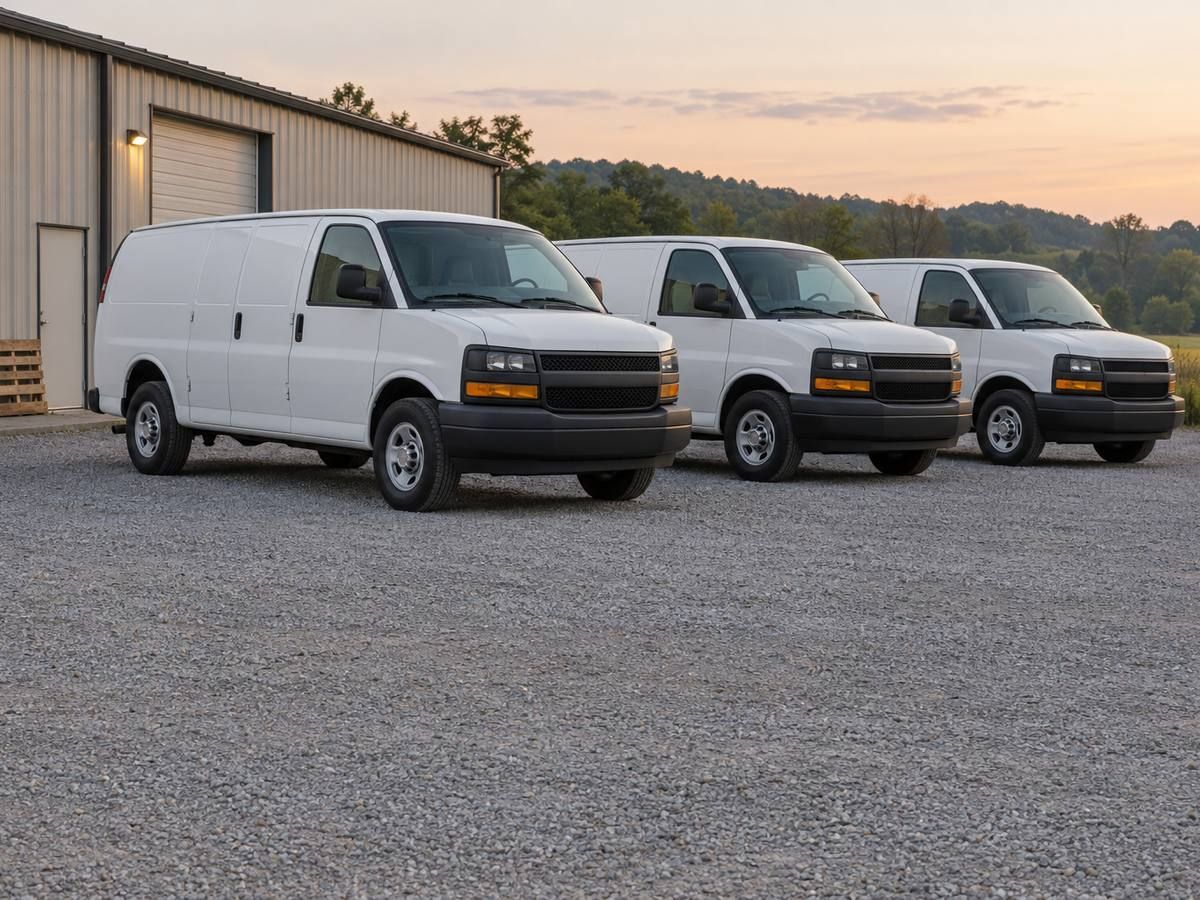
Commercial Auto
Industries We Serve
Insurance built around the work you do
Every industry carries different risks. We know the coverage each one needs and shop the carriers that write it well.
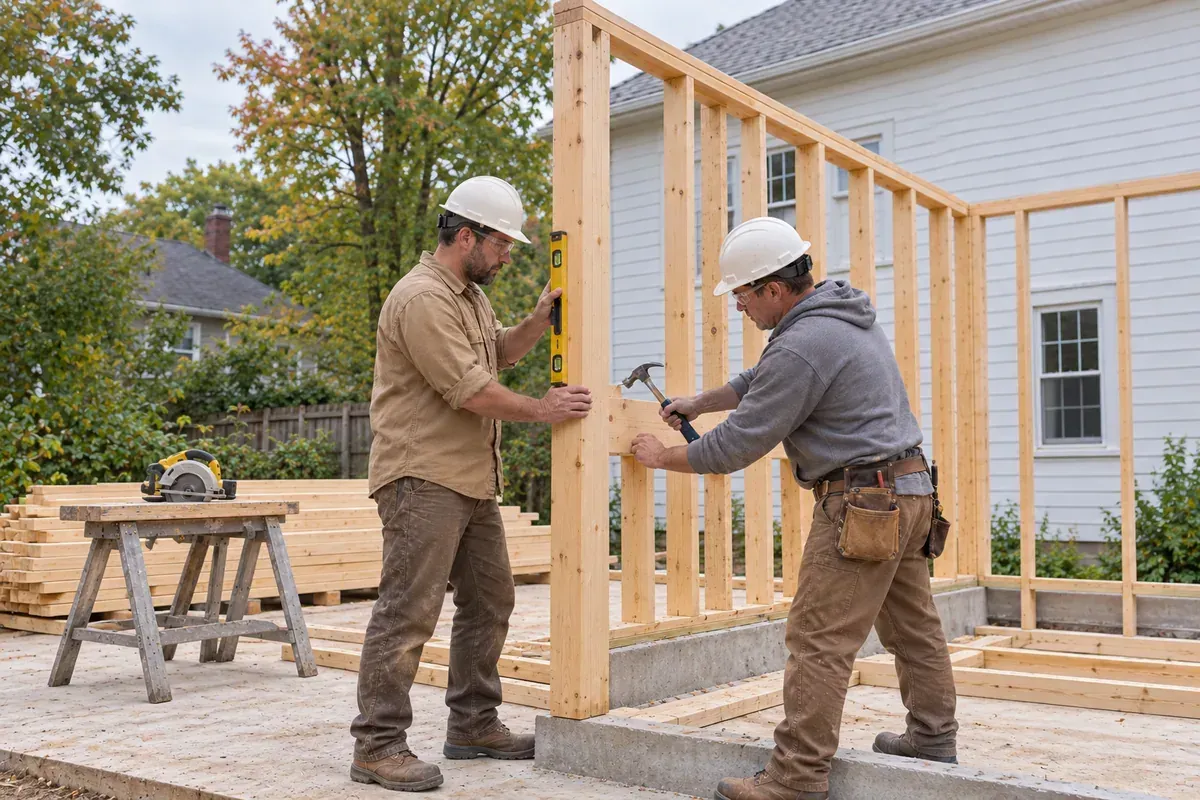
Contractors Insurance
General contractors, remodelers, roofers, and trade crews. We cover the liability, tools, vehicles, and workers your jobs depend on.
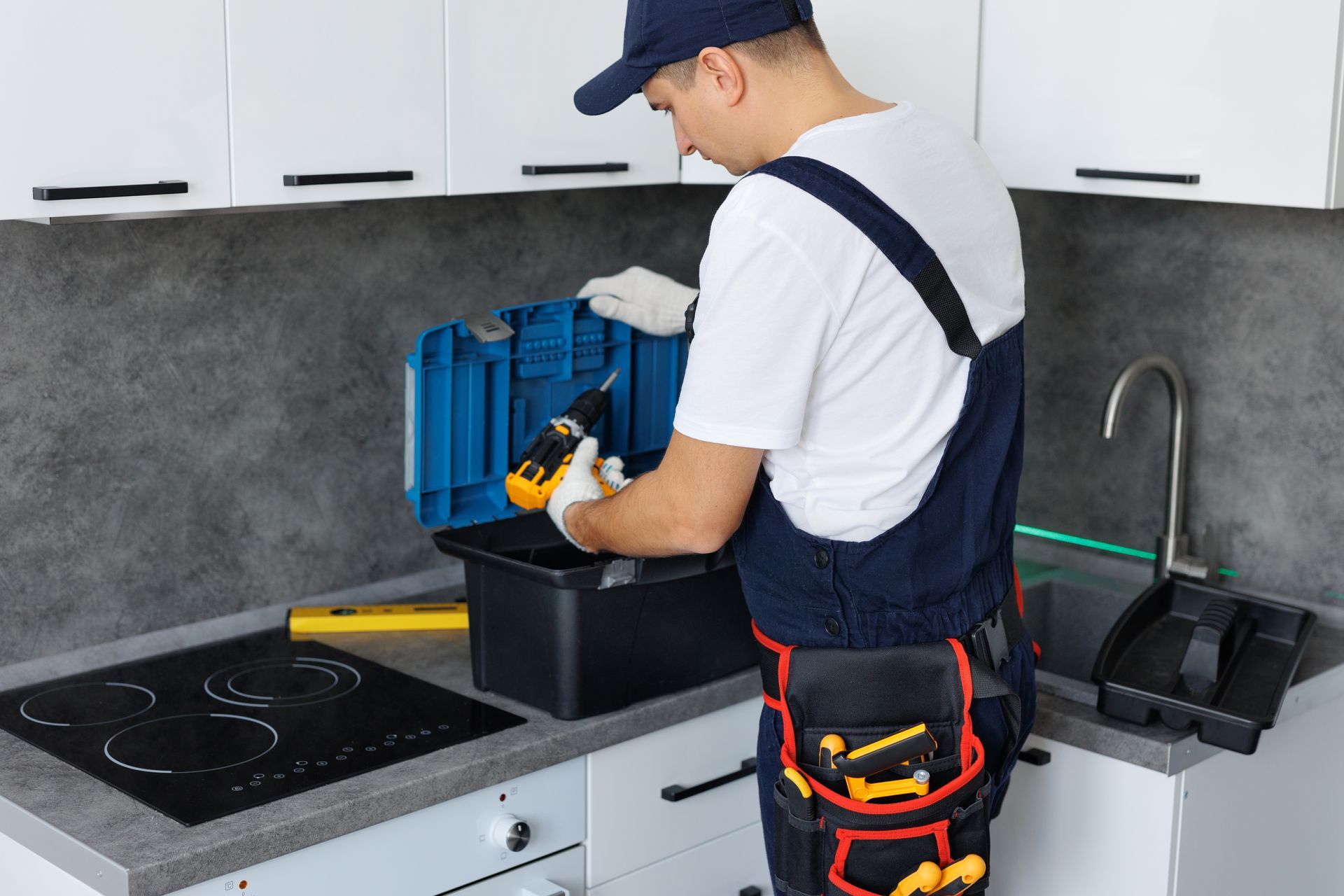
Plumber Insurance
Water damage claims follow plumbers everywhere. We cover your liability, your tools, your van, and your crew, job after job.

Restaurant Insurance
Kitchens, bars, and cafes face fire, spoilage, and slip risks. We package property, liability, and liquor coverage in one plan.
5-Star Rated on Google
What our clients say
Our clients say it best. Here is what they share about working with Josh, Dave, and the MVP team.
Contractors & Tradesmen
General contractors, roofers, electricians and plumbers. We cover liability, tools, vehicles and crews so every job stays protected.
Insurance Tips & News
Insurance tips for Ohio and Pennsylvania families and businesses
Practical ideas for protecting what matters to you.



Insurance Questions, Answered
Questions our clients ask
A little clarity can make your next step easier.
What does an independent insurance agency do?
An independent agency works with multiple insurance companies. We compare your options, explain the differences, and help you choose coverage that fits your needs.
Can MVP Insurance quote both my home and auto?
Yes. We can compare home and auto insurance options together. We explain available discounts and check how the policies work together.
Do you insure businesses in Ohio and Pennsylvania?
Yes. We help businesses in both states compare options for property, liability, employees, and commercial vehicles. The right policy depends on your work and the risks involved.
How do I import my current policy for a quote?
Use our Canopy policy import link to share your current policy information. Our team can then review your existing coverage and compare options with you.
How do I report a claim or make a payment?
Visit our Client Center for billing and claims information. You can also call either office for help finding the right carrier contact.
How often should I review my insurance?
Review your coverage each year and after a major change, such as a move, new vehicle, or business expansion. Tell us what changed so we can help you check your protection.


Covington office, Monday through Friday
Call
614 E. Boston St., Covington, LA 70433
58418 Tyler Drive, Slidell, LA 70461
Request Your Free Quote
Let's make insurance simple for you
Tell us what you need. We will help you explore your options.