

Owner, MVP Insurance
Pennsylvania second home insurance usually costs more and covers less than a primary homeowners policy unless you set it up correctly. Carriers worry about long stretches without anyone on site, winter freeze-ups, lake flooding, and rental guests. If you match the policy to how the property is actually used, those gaps mostly disappear.
The trouble is that most owners buy coverage for the camp or cottage once and then forget about it. Years later, the place has a new deck, a hot tub, and a listing on a rental platform, while the policy still describes a three-season shack. That mismatch tends to come out at claim time: a burst pipe in February, a guest who slips on icy steps, or a spring melt that pushes the lake into the crawlspace.
Lake places, northern tier camps, and ridge-top cabins can all be insured well. You just need to know which questions to ask before the adjuster asks them.
Understanding Pennsylvania Second Home Insurance Requirements
A second home policy differs from your primary policy in three ways. It assumes fewer people are around to spot trouble, it often prices or restricts water and theft losses, and it expects you to disclose how often you visit. Carriers treat Pennsylvania's geography as part of the risk: heavy snow loads, deep freezes, remote access roads, and long distances to fire stations.
Consider a cabin 40 minutes up a gravel road in Potter County. A fire there burns longer before anyone calls it in, and the nearest hydrant may be miles away. A lakefront cottage carries a different risk: water rising from below rather than falling from above. Underwriters look at both scenarios when they rate a seasonal property, which is why two homes of the same value can carry very different premiums.
Some second homes go on a standard homeowners form with a secondary residence endorsement. Others need a dwelling fire policy, a seasonal home form, or a specialty program built for camps. The right choice depends on construction, occupancy, how the property is heated, and whether it ever generates income.
Pennsylvania also keeps a close watch on the policy language itself. Under the Insurance Department's April 2026 notice, several property and casualty lines were deregulated, but the state kept strict filing requirements for personal risk insurance such as homeowners coverage. In practice, the regulator still reviews those filings to protect consumers from inadequate or unfair terms. That oversight is helpful, but it won't fix a policy that describes your property incorrectly.

On this page
MVP Insurance is a local, independent agency, licensed to serve individuals and businesses across Ohio and Pennsylvania.
We serve clients from our offices in New Springfield and Zelienople and throughout Northeast Ohio and Western Pennsylvania, working with multiple carriers to help homeowners, drivers, renters and condo owners, landlords, contractors, restaurant owners, shop owners, auto repair shops, professional offices and many other personal and commercial clients find coverage that fits.
Written By
David Varrati
Owner, MVP Insurance
Owner, MVP Insurance
On this page
Umbrella
An umbrella policy adds liability protection above the limits on your home and auto policies. One serious accident can cost more than those limits, and the umbrella is what stands between the claim and your savings.
Insuring Lake Houses, Hunting Camps, and Mountain Cabins
Each type of retreat fails in its own way, so each needs a slightly different approach.
Hunting camps in the northern tier are often older, wood-heated, and built in stages over several generations. Carriers will ask about woodstove installation, chimney cleaning, distance to the fire department, and whether the camp has a permanent foundation. Shared ownership adds another layer. When four brothers-in-law and a cousin all "own" the camp, the named insured question matters a great deal for liability. If the camp leases land to hunters or operates as a club, a separate hunting lease liability policy is often the cleaner answer. These policies typically carry $1 million per occurrence and $2 million aggregate limits, with premiums generally starting around $200 a year.
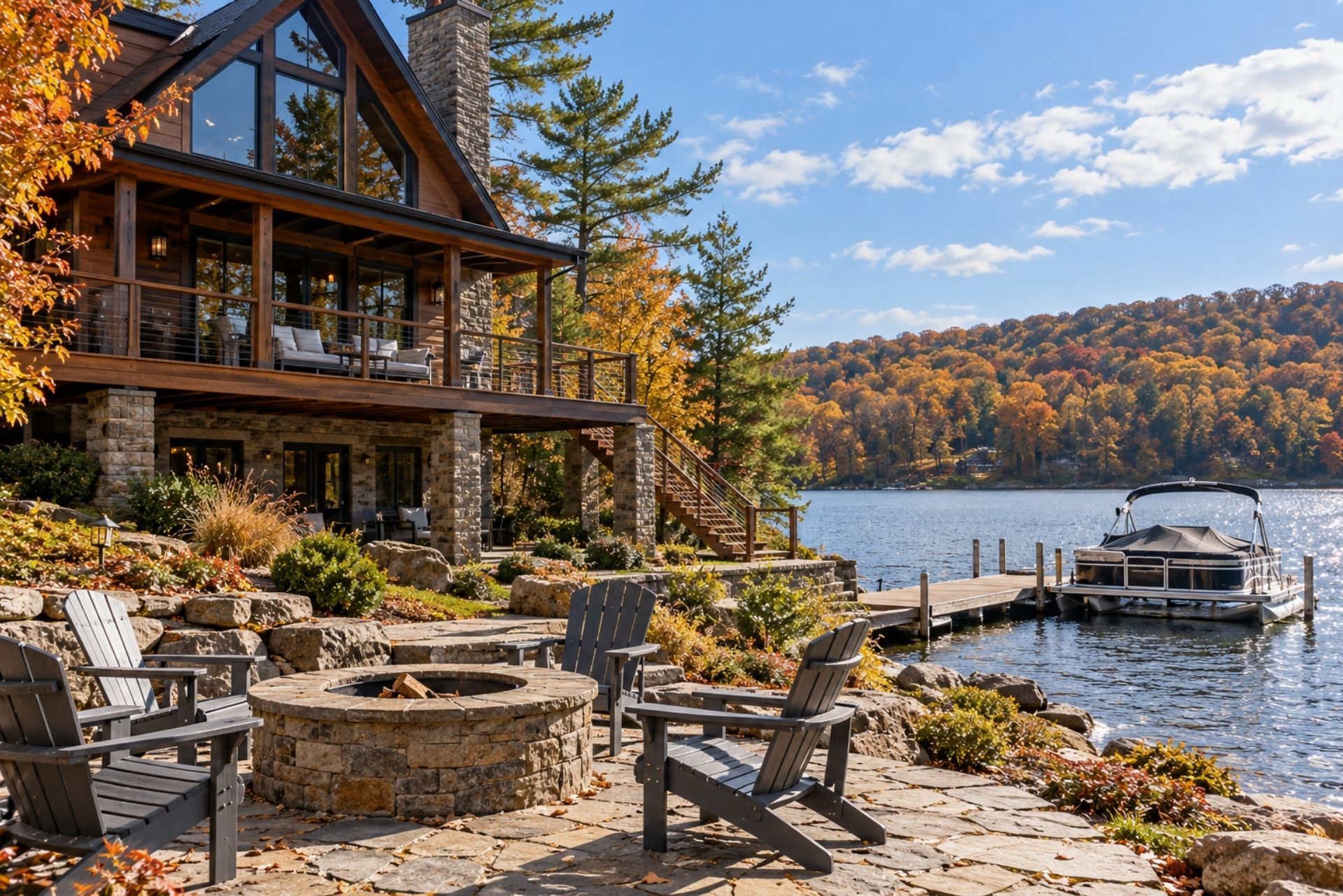
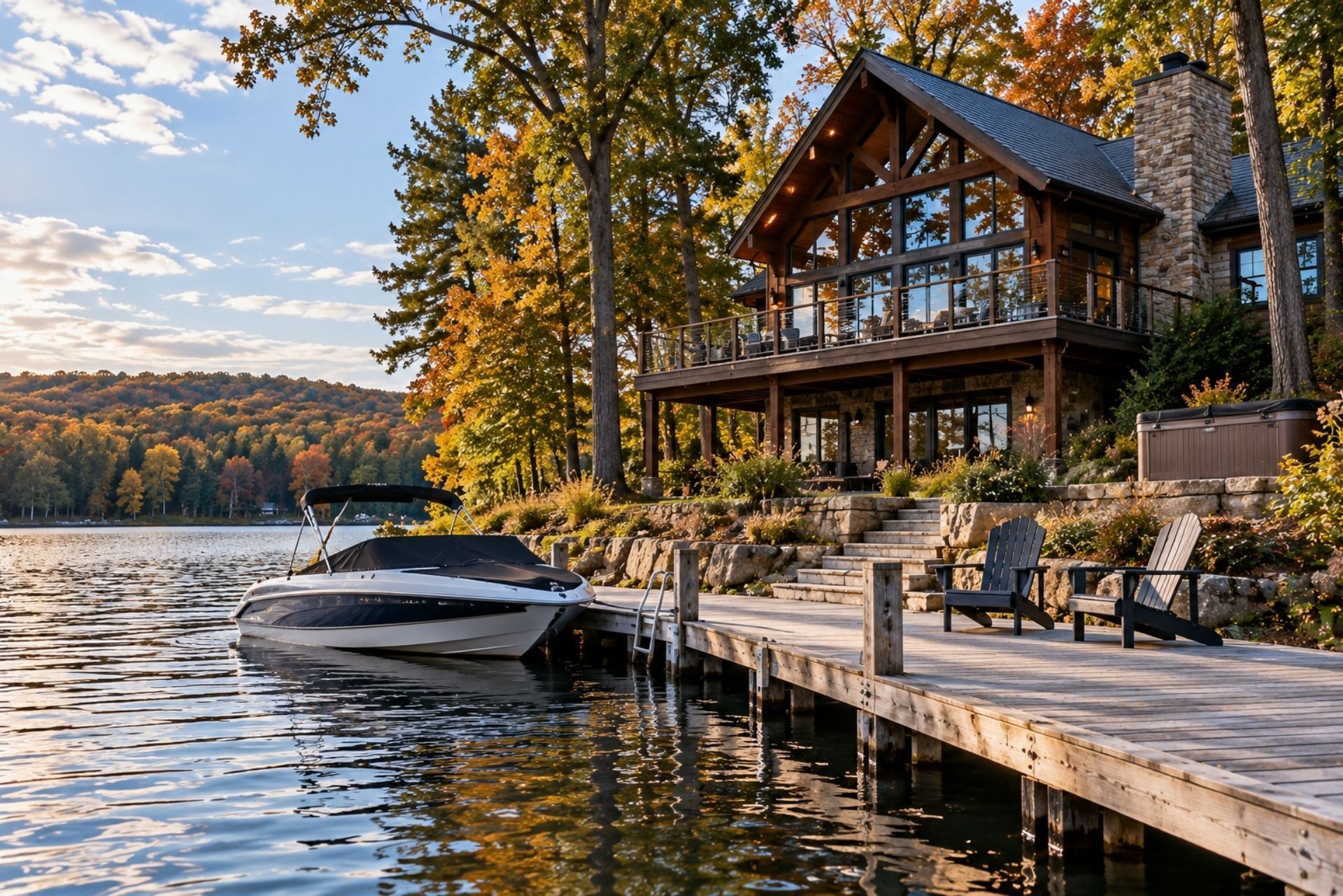
Lake Arthur and Conneaut Lake cottages raise different concerns. Docks, boat lifts, and lakeside sheds frequently fall outside standard "other structures" limits or carry their own exclusions. Watercraft liability is another common blind spot. A pontoon boat or jet ski may need its own policy, and a guest borrowing it can create a claim your home policy won't touch.
Laurel Highlands cabins bring snow load, ice dams, wildfire, and steep driveways into the conversation. A cabin near Seven Springs or Ohiopyle that sits on piers with exposed plumbing underneath is a classic freeze risk. Expect carriers to ask about it.
Flood Insurance for PA Lake Properties
Standard homeowners and dwelling policies exclude flood, and that includes the lake rising after a week of heavy rain. Owners of lakefront property often assume they're safe because the lake level is dam-controlled. Spillways can be overwhelmed, though, and storm runoff from surrounding hills can still reach a cottage that sits low.
Flood coverage is available through the federal program and through private flood carriers. Private options sometimes offer higher building limits, shorter waiting periods, or coverage for basement contents that federal policies restrict. You'll find more detail on how these options compare on our Pennsylvania flood insurance page.
Check whether your sewer backup or water backup endorsement applies. It covers a different kind of loss from flood, and lake homes with ejector pumps need both.
Private Client Coverage for High-Value Retreats
Some retreats are full second residences: timber-frame lodges, renovated lake estates, and mountain homes with wine rooms and art collections. Standard forms tend to cap coverage in ways that don't fit these properties.
High-value coverage typically includes:
- Guaranteed or extended replacement cost that pays to rebuild even when costs exceed the dwelling limit
- Cash settlement options if you decide not to rebuild a remote cabin
- Broad water damage coverage with fewer sublimits
- Scheduled valuables such as jewelry, firearms, art, and collectibles on agreed-value terms
- Coordinated excess liability across your primary home, second home, vehicles, and watercraft
If your retreat falls into this category, our private client insurance optionsexplain how these programs are structured.
Written By
David Varrati
Owner, MVP Insurance
Owner, MVP Insurance
On this page
Where you live
Your ZIP code sets the base for both home and auto: weather patterns, repair costs, traffic density and local claim history all feed into it. Distance to a fire station and hydrant matters for the home policy.
Where you live
Vacancy and Seasonal Occupancy Rules
CA seasonal home is one you use regularly for part of the year and furnish for living. A vacant home is empty of people and of the contents needed to live there. Many policies restrict or suspend coverage after a set number of days. A furnished cabin you visit monthly is seasonal. An empty house waiting for sale is likely vacant.
The distinction drives some of the most painful claim denials we see. Policies often use a 30- or 60-consecutive-day threshold, and once a home crosses it, vandalism, glass breakage, and water damage coverage may shrink or vanish. Some forms define "unoccupied" (furnished, nobody home) differently from "vacant" (no furniture, nobody home), and each term triggers different restrictions. Read your specific form, because the definitions and day counts vary from carrier to carrier.
Here's how this goes wrong in real life. An owner inherits a parent's lake cottage in October, clears out the furniture to prepare it for sale, and doesn't visit again until spring. A pipe bursts in January. By then the house has been empty for more than 60 days, with nothing inside to make it livable. That's a vacancy problem, not a seasonal one.
A few habits keep you on the right side of the line:
- Tell your agent honestly how often you visit and in which months
- Keep the home furnished and the utilities on if you want seasonal treatment
- Ask about a vacancy permit or endorsement before a long gap, a renovation, or a sale
- Keep a simple log of visits (texts, receipts, and gas station charges all count as evidence)
Written By
David Varrati
Owner, MVP Insurance
Owner, MVP Insurance
On this page
The Role of Umbrella and Life Insurance in a Comprehensive Plan
Short-Term Rental Exposure and Liability
Listing your cabin on a rental platform turns it into a business in the eyes of most homeowners policies, and business activity is generally excluded. Without a rental endorsement or a dedicated short-term rental policy, a guest's injury or the damage they cause may not be covered.
The exclusion exists because rental guests change the risk entirely. Strangers who don't know the property use the hot tub, the fire pit, the dock, and the woodstove. A guest who falls down unlit cabin steps can sue you, and a standard policy's business exclusion may deny both the defense and the payment. Platform host protection programs help in some cases, but they come with their own terms and shouldn't be your only layer.
Pennsylvania is also moving toward statewide rules. House Bill 2303, introduced in March 2026, would create a statewide framework that includes countywide property registries and mandatory 24/7 designated contact persons. The bill also aims to set baseline safety standards for the short-term rental market. As of this writing it remains proposed legislation, but carriers tend to watch these developments closely, and local townships in the Poconos and elsewhere already have their own rules.
If you rent, even a few weekends a year, ask about:
- A home-sharing or rental endorsement, or a dedicated landlord or short-term rental form
- Loss of rental income coverage after a covered claim
- Higher liability limits, ideally with an umbrella that clearly includes rental exposure
- Coverage for guest-caused damage and theft of your contents
The occasional informal rental is where people get caught. Letting a coworker's family use the cabin for a week in exchange for $800 still counts as renting it out.
Written By
David Varrati
Owner, MVP Insurance
Owner, MVP Insurance
On this page
04
Review, bind, and relax
Once you approve, we bind the policies, send your ID cards and set a reminder for next year's review.
Preventing and Claiming Frozen Pipe Damage While Away
Frozen pipes are the most common big claim on Pennsylvania seasonal homes. Many carriers cover them only if you kept the heat on, drained the system, or installed monitoring. Some carriers now require a heat-monitoring system or an automatic water shut-off before they'll write a seasonal home at all.
Seasonal homes left unheated are the textbook case. Owners turn the thermostat down to 50, leave in November, and trust that the furnace will keep running. Then a power outage during a January ice storm shuts it off. Nobody notices for nine days. The pipe splits in the ceiling, and water runs until the wood floors buckle and the drywall is soaked through. Most frozen pipe policy language turns on whether you used reasonable care to maintain heat or shut off and drain the water. If you did neither, coverage can be denied.
A smart winterization plan includes:
- Shut off the main water supply and drain the lines, the water heater, and the toilets, or hire a plumber to blow the lines out with compressed air
- Add RV antifreeze to traps in sinks, tubs, and floor drains
- Install a smart temperature sensor that texts you if the indoor temperature drops below a set point
- Add an automatic water shut-off valve that closes when it detects a leak or a pressure drop
- Ask a neighbor or caretaker to check the property on a schedule and keep a record of those visits
Insulating the crawlspace and applying heat tape to exposed lines under pier-built cabins matters too. Some carriers offer premium credits for monitoring devices, which can partly offset their cost.
If a freeze does happen, shut off the water, take photos before you clean anything, and call the claim in promptly. Save the thermostat history, the sensor alerts, and the plumber's winterization invoice, because these records show you took reasonable care.
Written By
David Varrati
Owner, MVP Insurance
Owner, MVP Insurance
On this page
The Role of Umbrella and Life Insurance in a Comprehensive Plan
Comparing PA Secondary Home Coverage Options
The two choices that matter most are the perils covered (named versus open) and how losses are paid (actual cash value versus replacement cost). An open-perils, replacement-cost policy offers the strongest protection but costs more. A named-perils policy with actual cash value may suit a rustic camp, but it leaves bigger gaps.
| Coverage Feature | What It Means | Good Fit For | Watch Out For |
|---|---|---|---|
| Named Perils | Only listed causes (fire, wind, theft) are covered | Basic hunting camps, older cabins | Anything not listed is excluded |
| Open Perils | Everything is covered unless specifically excluded | Lake homes, newer cabins | Exclusions for vacancy and freeze still apply |
| Actual Cash Value | Pays replacement minus depreciation | Older structures, tight budgets | A 30-year-old roof pays out very little |
| Replacement Cost | Pays to rebuild with like materials | Well-kept second homes | Usually requires insuring to full value |
| Seasonal Home Form | Built for part-year occupancy | Cottages used May to October | May require winterization proof |
| Dwelling Fire Form | Structure-focused, flexible occupancy | Camps, rentals | Liability often added separately |
| High-Value Form | Broad coverage with extended limits | Luxury retreats | Underwriting requires detailed inspection |
Carriers place seasonal and rural properties in different ways. Some prefer newer construction, some specialize in camps and dwelling fire forms, and others focus on high-value homes. Because each carrier weighs woodstoves, distance to a fire station, and rental use differently, the same cabin can receive very different offers. This is where an independent agency earns its keep. MVP Insurance shops the property across multiple carriers, so you don't have to fill out five applications yourself.
Written By
David Varrati
Owner, MVP Insurance
Owner, MVP Insurance
On this page
04
Review, bind, and relax
Once you approve, we bind the policies, send your ID cards and set a reminder for next year's review.
| Coverage | What It Protects | Common Gap to Watch |
|---|---|---|
| Homeowners | Dwelling, belongings, liability | High wind/hail deductibles |
| Renters | Belongings, liability, living costs | Low liability limits |
| Auto | Vehicle damage, injury liability | State minimum limits only |
| Motorcycle | Bike, gear, liability | Custom parts excluded |
| Boat | Hull, motor, liability on water | Trailer or navigation limits |
| Umbrella | Excess liability above other policies | Underlying limits too low |
| Life | Income replacement for family | Only employer coverage |
Common Questions About Pennsylvania Second Home Insurance
Do I need a separate policy for my hunting camp? Usually, yes. Most primary homeowners policies won't extend full coverage to a separate dwelling, so the camp needs its own policy or a specific endorsement.
How long can my cabin sit empty before coverage changes? Many policies start restricting coverage after 30 to 60 consecutive days of vacancy, depending on the form. A furnished home you visit regularly is generally treated as seasonal rather than vacant.
Does my homeowners policy cover renting my lake house on weekends? Typically not. Rental activity is usually treated as business use, so you'll need a rental endorsement or a short-term rental policy.
Do I have to winterize my seasonal home to keep coverage? Many carriers require either maintained heat or a drained and shut-off water system, and some require monitoring devices. If you skip winterization, frozen pipe claims are often denied.
Is lake flooding covered under my second home policy? No. Flood is excluded from standard policies, so lake homes need separate flood coverage.
Can I bundle my second home with my primary home and auto? Often you can, and bundling may improve pricing or simplify your liability coverage. It depends on whether the same carrier will accept both properties.
Written By
David Varrati
Owner, MVP Insurance
Owner, MVP Insurance
On this page
The Role of Umbrella and Life Insurance in a Comprehensive Plan
Request a Private Client Review with MVP Insurance
A well-built second home policy starts with honest answers: how often you're there, how you heat the place, whether guests pay to stay, and how close the water sits. Get those right and Pennsylvania second home insurance stops being a gamble. Leave them vague and you risk a denied frozen pipe claim or an uncovered guest injury.
If you own a northern tier camp, a cottage on Lake Arthur or Conneaut Lake, or a cabin in the Laurel Highlands, we'd be glad to look at the whole picture: occupancy, flood, rental exposure, and liability across everything you own. Stop by our Zelienople office at 108 E Grandview Ave, Zelienople, PA 16063, (724) 453-1122, or our New Springfield office at 13823 Grant St, New Springfield, OH 44443, (330) 707-9055. You can also Request a Private Client Reviewonline, and we'll compare carriers for you.
MVP Insurance is licensed in Ohio (#37714) and Pennsylvania (#519263), NPN 10588293. Your retreat is meant to be the place you stop worrying, and the right coverage helps keep it that way.
MVP Insurance is a local, independent agency, licensed to serve individuals and businesses across Ohio and Pennsylvania.
We serve clients from our offices in New Springfield, Ohio and Zelienople, Pennsylvania and throughout Northeast Ohio and Western Pennsylvania, working with multiple carriers to help contractors, landlords and real estate investors, restaurants, retail shops, auto repair shops, professional offices and many other personal and commercial clients find coverage that fits.
Our Owners
Two friends who started an agency
Owner
Joshua Medure
I am a Penn State marketing graduate with more than ten years in insurance. My childhood friend David and I started MVP Insurance in Northeast Ohio because we wanted the people around us to have an agency that gives honest advice, real choices and someone who picks up the phone. I lead the agency’s insurance strategy, which means I read the policies so our clients do not have to. Away from the office, I coach youth football.


About the Author
David Varrati
Owner, MVP Insurance
I started MVP Insurance with my childhood friend Josh because we wanted people in Northeast Ohio and Western Pennsylvania to have an agency that explains things plainly and picks up the phone. I studied Political Science at Slippery Rock University and have spent more than ten years helping families and individuals protect what matters to them. When I am not in the office, you will find me coaching youth sports.
Personal Insurance in Ohio & Pennsylvania
Coverage for your home, your car, and your family
Protect the everyday things that mean the most to you.
Homeowners Insurance
Your home is one of your most valuable assets. We compare carriers to protect the house, your belongings, and your liability.
Car Insurance
We proactively shop the market to find the best combination of coverage and price for every car in your driveway.
Renters Insurance
Own a condo or rent your home? We insure your unit, your belongings, and your personal liability at a fair rate.
Umbrella Insurance
Extra liability protection above your home and auto policies. Large coverage limits for a small added cost each year.
Life Insurance
Protect the people who rely on you most, so they can keep their home and lifestyle if the unexpected happens.
Flood Insurance
Standard home policies do not cover flooding. We help you add flood coverage through the NFIP or a private carrier before the water rises.
Business Insurance in Ohio & Pennsylvania
No matter how big or small your business, we protect it
Practical coverage for your people, your property, and the work you do.
General Liability
Business Owners Policy

Professional Liability
Commercial Property

Workers Compensation
Commercial Auto
Industries We Serve
Insurance built around the work you do
Every industry carries different risks. We know the coverage each one needs and shop the carriers that write it well.
Contractors Insurance
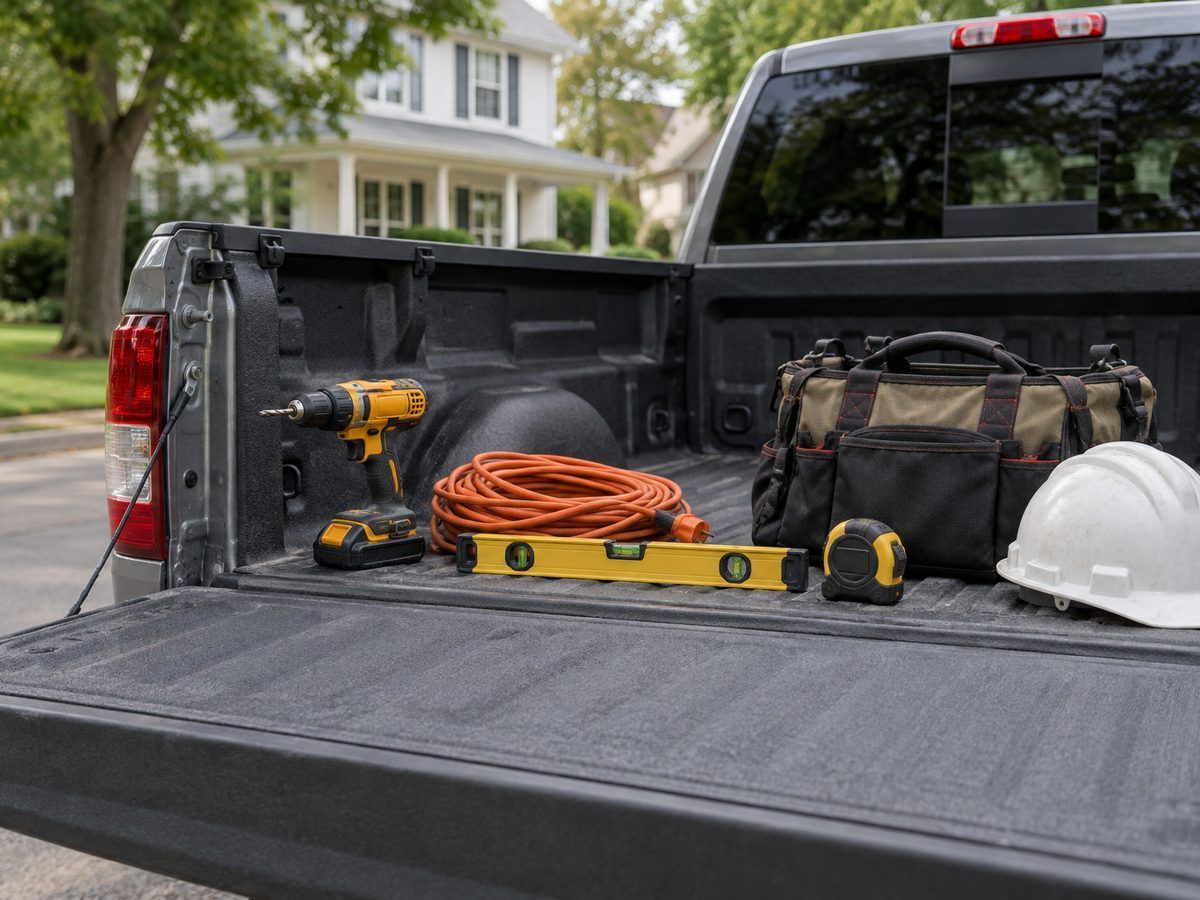
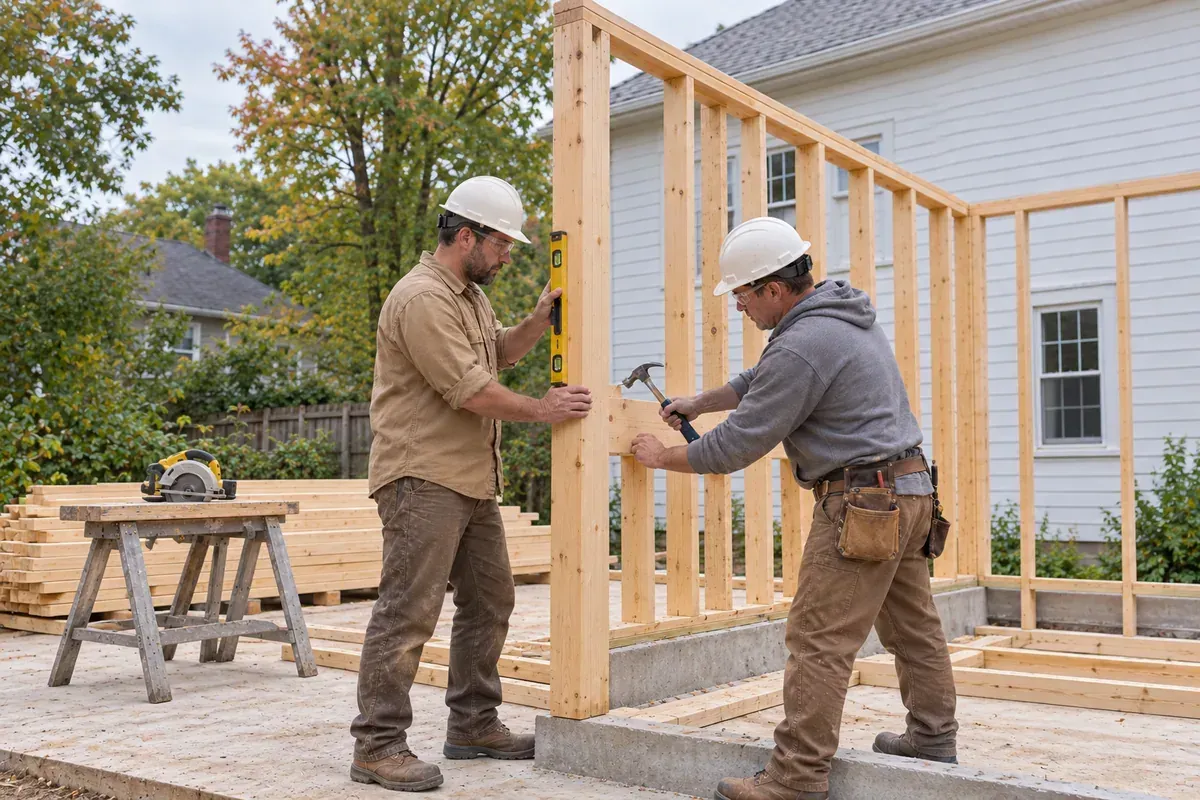
General contractors, remodelers, roofers, and trade crews. We cover the liability, tools, vehicles, and workers your jobs depend on.
Plumber Insurance
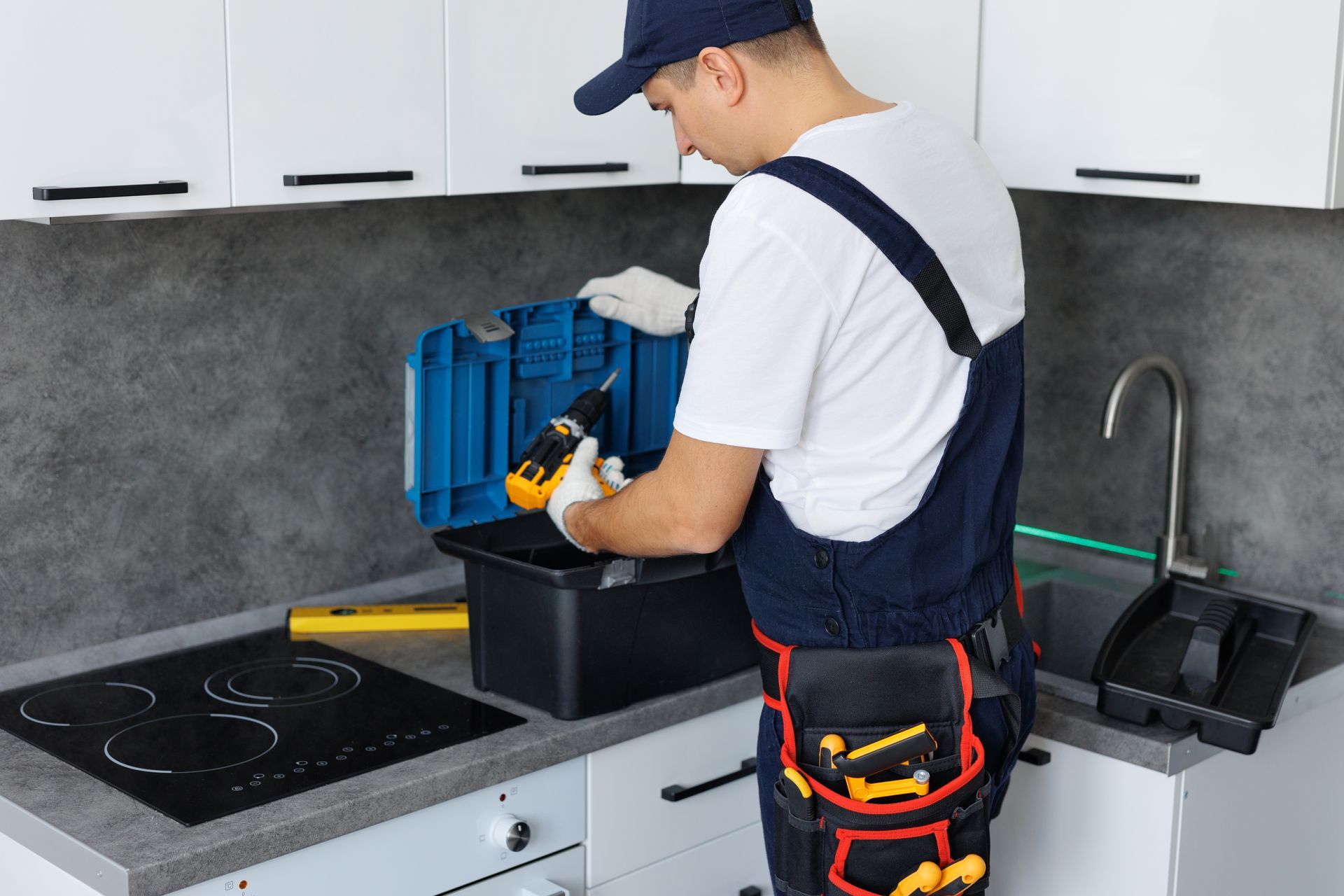
Water damage claims follow plumbers everywhere. We cover your liability, your tools, your van, and your crew, job after job.

Restaurant Insurance
Kitchens, bars, and cafes face fire, spoilage, and slip risks. We package property, liability, and liquor coverage in one plan.
5-Star Rated on Google
What our clients say
Our clients say it best. Here is what they share about working with Josh, Dave, and the MVP team.
Contractors & Tradesmen
General contractors, roofers, electricians and plumbers. We cover liability, tools, vehicles and crews so every job stays protected.
Insurance Tips & News
Insurance tips for Ohio and Pennsylvania families and businesses
Practical ideas for protecting what matters to you.

Insurance Questions, Answered
Questions our clients ask
A little clarity can make your next step easier.
What does an independent insurance agency do?
An independent agency works with multiple insurance companies. We compare your options, explain the differences, and help you choose coverage that fits your needs.
Can MVP Insurance quote both my home and auto?
Yes. We can compare home and auto insurance options together. We explain available discounts and check how the policies work together.
Do you insure businesses in Ohio and Pennsylvania?
Yes. We help businesses in both states compare options for property, liability, employees, and commercial vehicles. The right policy depends on your work and the risks involved.
How do I import my current policy for a quote?
Use our Canopy policy import link to share your current policy information. Our team can then review your existing coverage and compare options with you.
How do I report a claim or make a payment?
Visit our Client Center for billing and claims information. You can also call either office for help finding the right carrier contact.
How often should I review my insurance?
Review your coverage each year and after a major change, such as a move, new vehicle, or business expansion. Tell us what changed so we can help you check your protection.

Covington office, Monday through Friday
Call
614 E. Boston St., Covington, LA 70433
58418 Tyler Drive, Slidell, LA 70461
Request Your Free Quote
Let's make insurance simple for you
Tell us what you need. We will help you explore your options.