
Owner, MVP Insurance
Pennsylvania commercial umbrella insurance gives your business extra liability protection on top of your primary general liability, commercial auto, and employers liability policies. When a lawsuit or claim exhausts those underlying limits, the umbrella pays the rest, up to its own limit. For many contractors and fleet operators, it's what keeps one bad verdict from reaching company assets.
A $1 million general liability policy used to feel like plenty. Then a box truck rear-ends a minivan on Route 19, three people go to the hospital, and the demand letter arrives asking for $6 million. That gap between "what we bought" and "what we're being asked to pay" is where umbrella and excess coverage earn their place.
Understanding Pennsylvania Commercial Umbrella Insurance and Excess Limits
A commercial umbrella is a liability policy that starts paying after your primary policies reach their limits. If your auto policy carries $1 million and a judgment comes in at $2.5 million, a $2 million umbrella covers the remaining $1.5 million. Without it, your business pays that difference directly, and that can mean equipment, receivables, or property.
People often use "umbrella" and "excess" interchangeably, but they aren't identical. A true excess policy generally "follows form," meaning it mirrors the terms of the underlying policy and simply adds more limit. An umbrella can go a step further. Pennsylvania commercial umbrella policies are often written to "drop down" and respond when a primary policy is exhausted, or when a specific risk isn't covered by the primary form at all, usually subject to a self-insured retention.
That drop-down feature matters more than most owners realize. Picture a liability claim that falls outside your general liability wording but inside the broader umbrella wording: the umbrella may respond where the primary policy says no. It isn't guaranteed, and every form reads differently, which is why the policy language deserves a careful read before you sign.
The umbrella also reloads the protection you thought you had. Primary policies carry aggregate limits, so two big claims in one year can drain your general liability aggregate. A properly structured umbrella can step in to replace those exhausted aggregates for the rest of the policy term.
Regulators pay attention here too. The Pennsylvania Insurance Department modernized rate and form filing requirements in Notice 2026-07, issued April 12, 2026, while keeping close oversight on volatile "Other Liability" lines, the category where many umbrella and excess products sit. In practice, carriers still file and adjust these forms regularly, so last year's policy wording may not match this year's renewal.

On this page
MVP Insurance is a local, independent agency, licensed to serve individuals and businesses across Ohio and Pennsylvania.
We serve clients from our offices in New Springfield and Zelienople and throughout Northeast Ohio and Western Pennsylvania, working with multiple carriers to help homeowners, drivers, renters and condo owners, landlords, contractors, restaurant owners, shop owners, auto repair shops, professional offices and many other personal and commercial clients find coverage that fits.
Written By
David Varrati
Owner, MVP Insurance
Owner, MVP Insurance
On this page
Umbrella
An umbrella policy adds liability protection above the limits on your home and auto policies. One serious accident can cost more than those limits, and the umbrella is what stands between the claim and your savings.
Coverage Over General Liability, Auto, and Employers Liability
The umbrella sits on top of your core policies and stacks over each one, creating a continuous column of protection. Think of it as a single roof over three separate rooms. Your Pennsylvania business insuranceprogram handles premises and operations claims first, your commercial auto insurance in Pennsylvaniahandles vehicle accidents first, and the umbrella catches whatever spills over from any of them.
Here's how claims typically flow through the tower:
- General liability claim:A customer slips on a wet floor at your shop and suffers a spinal injury. Your GL pays its per-occurrence limit, then the umbrella takes over.
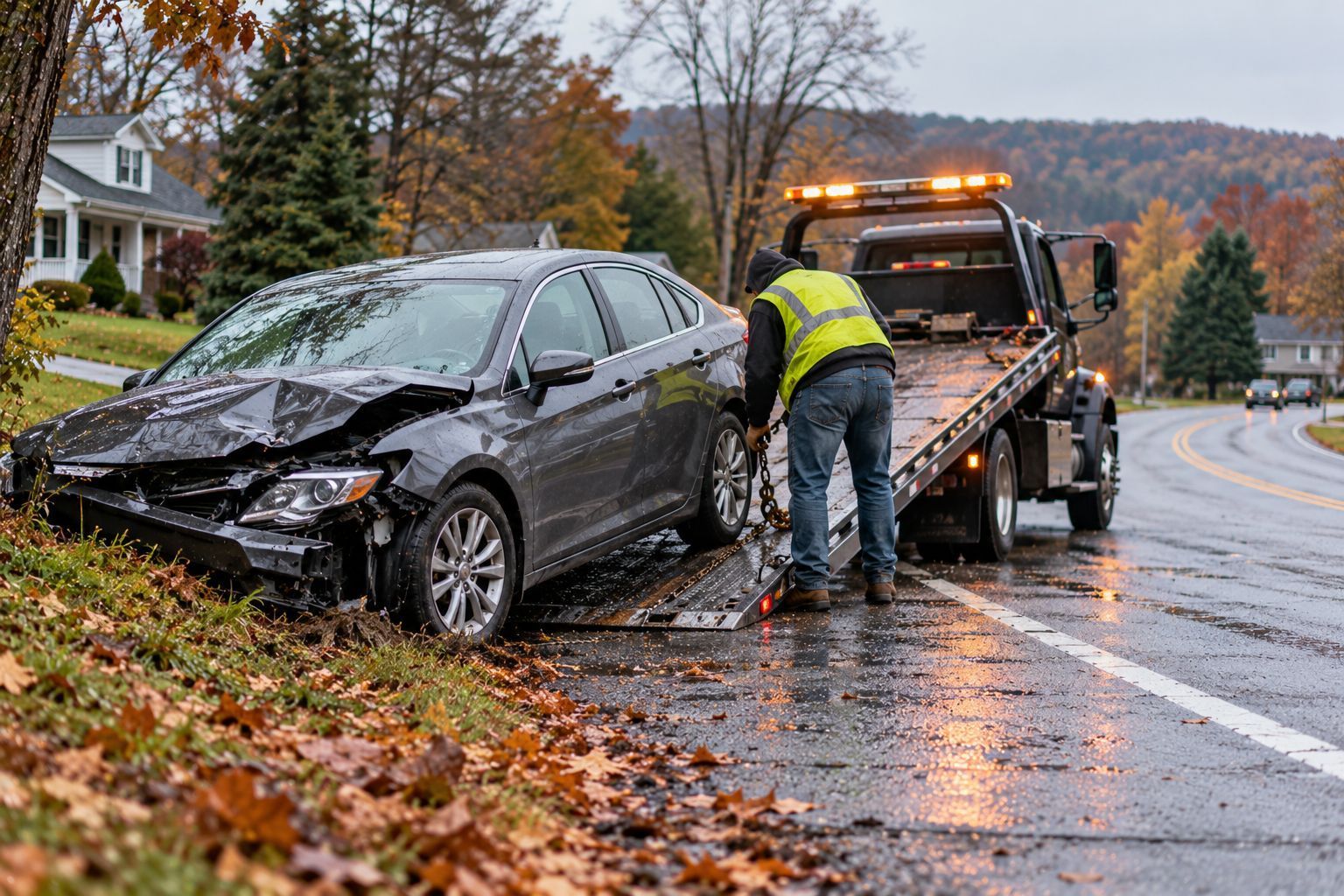
- Commercial auto claim:Your employee runs a red light in a company pickup. Your auto policy pays its bodily injury limit, then the umbrella responds.
- Employers liability claim:A third party sues your company over an employee's workplace injury. Your employers liability limit pays first, then the umbrella.
The catch is that umbrella carriers set minimum underlying limits, and you must keep those limits in force. Pennsylvania carriers frequently require underlying auto bodily injury limits of $500,000 to $1 million before they'll attach an umbrella. If you quietly lower your auto limit to save premium, you could create a gap you'd have to pay yourself.
That's one of the most common mistakes we see. An owner switches auto carriers mid-year, picks a lower limit without telling anyone, and the umbrella schedule still lists the old number. Every policy in the tower has to line up, including the dates, the named insureds, and the scheduled vehicles.
The Role of Employers Liability in the Umbrella Tower
Employers liability is Part Two of your workers compensation policy, and it's the piece the umbrella sits over. Workers comp itself (Part One) pays statutory benefits like medical bills and lost wages, and those benefits have no dollar limit for the umbrella to exceed. Employers liability is different: it covers lawsuits connected to employee injuries that fall outside the standard comp system.
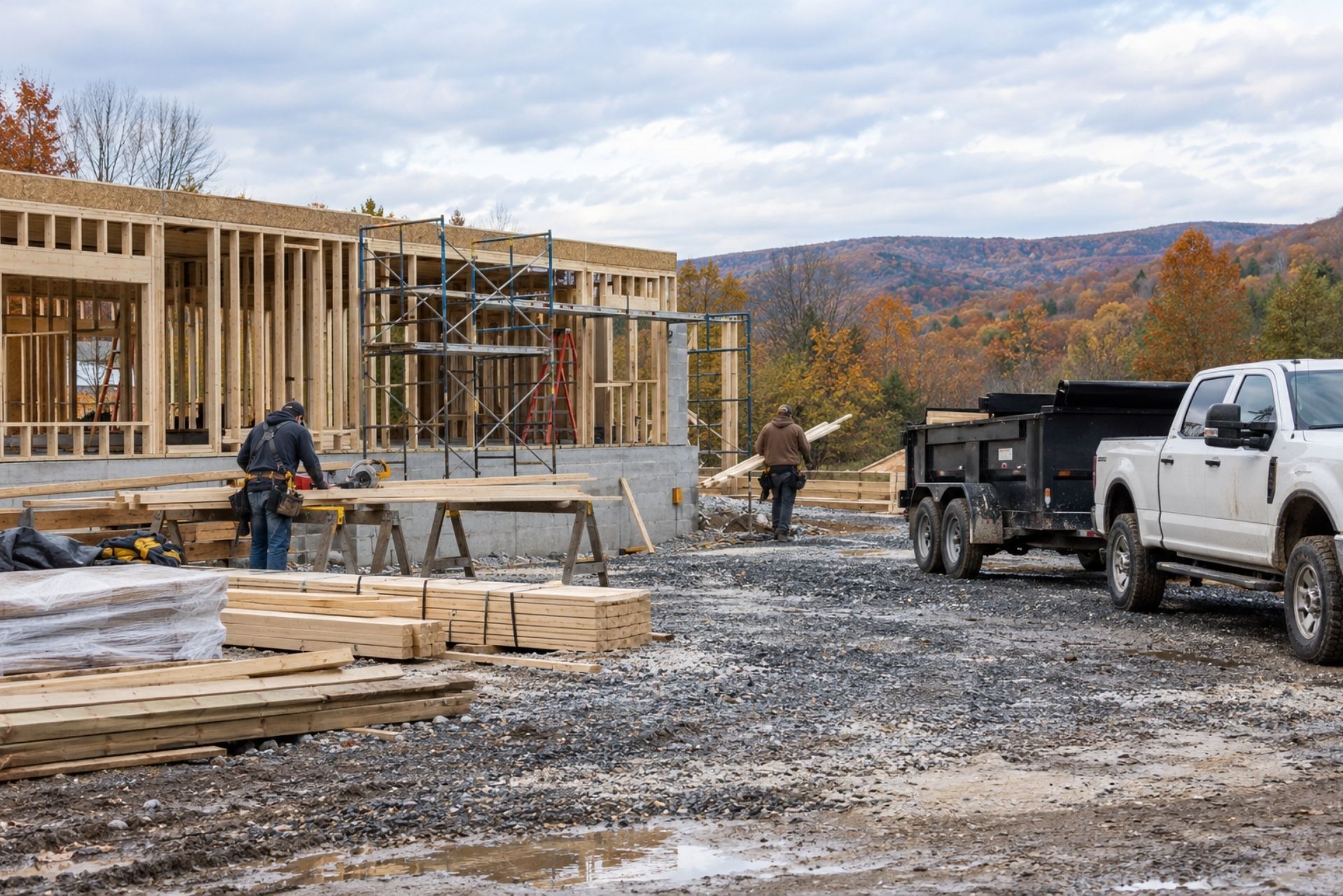
A common example in Pennsylvania involves construction. An injured worker sues a general contractor, and the contract pushes that claim back onto your company through an indemnity clause. That's a third-party-over action, and it can run into seven figures quickly.
Standard employers liability limits are often written at $500,000 or $1 million per accident. Most umbrella carriers want to see a specific minimum before they'll schedule it, so check your comp declarations page against your umbrella requirements every renewal.

Contract Requirements for $2 Million and Higher Limits
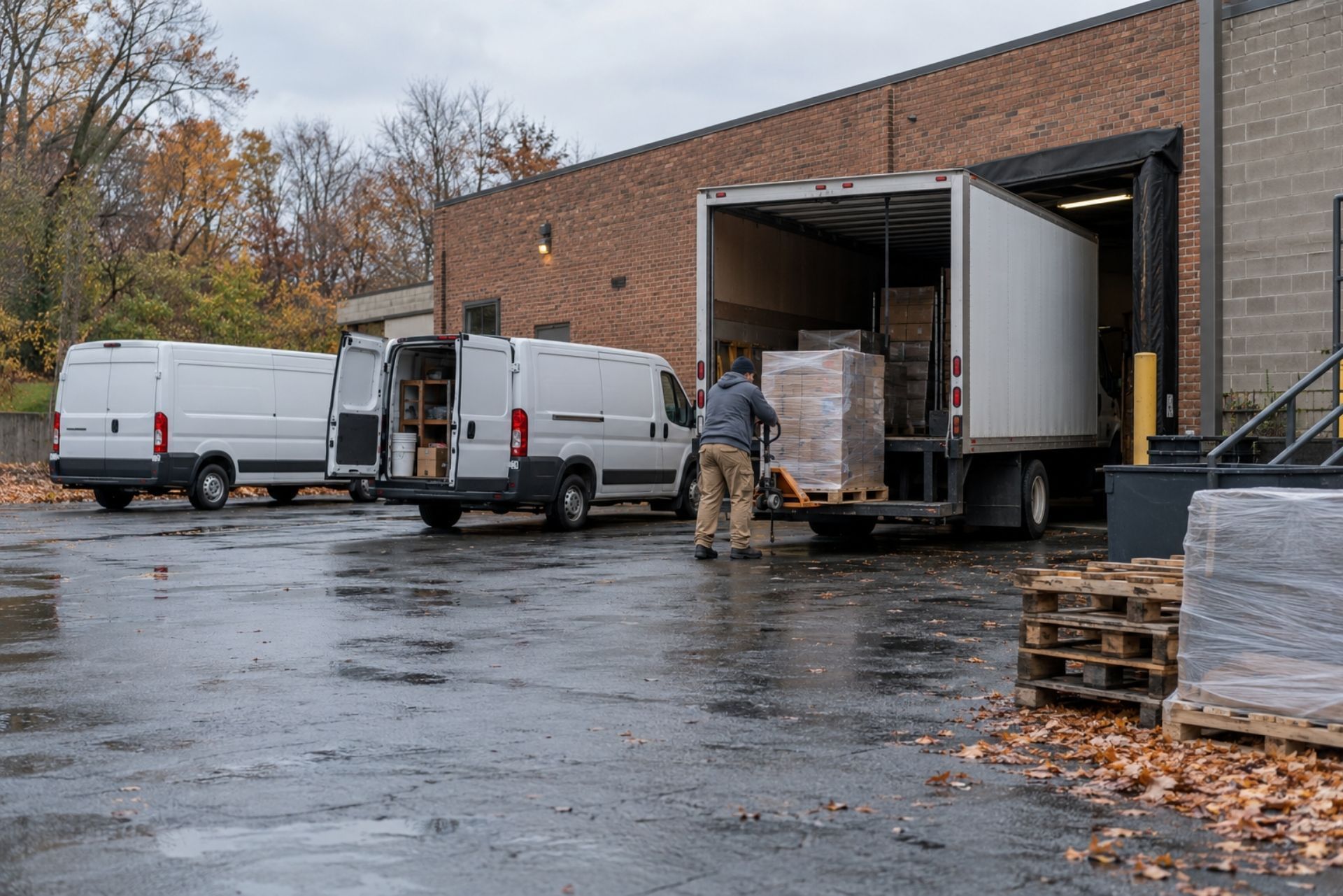
General contractors and municipalities in Pennsylvania often require $2 million or more in liability limits, and that number keeps creeping up. Ask any subcontractor in Butler, Allegheny, or Beaver County who has bid public work recently. The insurance exhibit in the contract almost always asks for more than a single $1 million primary policy can deliver.
The reason is simple: the hiring party is protecting itself. When a GC brings you on site, it wants your insurance to respond first if your crew causes an injury. It typically asks to be named as an additional insured on both your primary policies and your umbrella, and it often wants that coverage to be primary and noncontributory.
Watch for these contract terms that trip people up:
- Additional insured on the umbrella: Some umbrella forms only extend AI status if the underlying policy does. Confirm both.
- Follow-form language: The contract may require the umbrella to follow the terms of the underlying policies exactly.
- Per-project aggregates: Larger owners may want your GL aggregate to apply per project, which affects how the umbrella sits above it.
- Waiver of subrogation: Required on GL, auto, and workers comp in many construction contracts.
Pennsylvania's liability rules add to the pressure. Lawmakers introduced House Bill 2390 to address court rulings that allow defendants with minimal fault to be held jointly and severally liable under the Fair Share Act. Until that question settles, a business with a small share of fault can still face exposure well beyond its share, which is exactly what GCs and towns try to push onto subcontractors' policies.
Public entities have their own protections. The Pennsylvania Supreme Court
upheld the $250,000 damages cap for state agencies such as SEPTA despite a $7 million stipulated verdict in a catastrophic accident. When a government defendant's exposure is capped, plaintiffs' attorneys look harder at the private contractors involved, which is one more reason municipalities insist on high limits from the businesses they hire.
Nuclear Verdicts and Rising Commercial Auto Claims
Large nuclear verdicts on commercial auto claims are the single biggest force pushing contract limits higher. A "nuclear verdict" generally refers to a jury award far beyond what the injuries would traditionally support, often in the tens of millions. Commercial vehicles are a favorite target because juries see a business, a corporate insurer, and a big truck.
Pennsylvania has developed a reputation for this kind of exposure. Civil justice reform advocates point to a climate leading to more nuclear verdicts and expanded liability across the state, and the venue rules and jury pools in places like Philadelphia make defense attorneys nervous. A crash in one county can end up tried in another if the business has enough connection there.
For a contractor running even three or four work trucks, the math is uncomfortable. A $1 million auto policy can be gone after a single serious injury claim, before anyone talks about pain and suffering or punitive arguments. Higher excess layers protect the business assets that a plaintiff's attorney would otherwise pursue.
How Carriers Price Excess Layers for Pennsylvania Businesses
The first million of umbrella coverage is the most expensive, and each additional million typically costs less per million than the one beneath it. That pattern holds because the lowest layer is the most likely to be hit. Plenty of claims blow past a $1 million primary limit; far fewer reach $5 million or $10 million.
Underwriters look at a handful of factors when pricing the lead umbrella layer:
- Your underlying loss history, especially auto claims over the past three to five years
- Fleet size and vehicle types, with heavy trucks and long hauls weighing more than sedans
- Driver records, including MVRs for every listed driver
- Industry class, where roofing, excavation, and trucking draw more scrutiny than office work
- Contract exposure, such as how much you work as a subcontractor under indemnity agreements
- Underlying limits, since higher primary limits mean the umbrella attaches farther from the first dollar
Higher layers get priced partly as a percentage of the layer below them. A second or third million might cost a fraction of what the first did, and a layer starting at $5 million costs less per million again. Exact rates vary by carrier, class, and loss history, so treat any rule of thumb as a starting point, not a quote.
The market has tightened for this coverage. Excess liability rates in Pennsylvania rose by 10 to 15 percent in Q3 2026, driven by rising claim severity and long-tail casualty reserves. If your renewal jumped even though you had no claims, that broader trend is likely part of the story.
Capacity is the other constraint. Insurers are now capping coverage at $10 million per risk in many cases for lead layers, forcing businesses to build more complex towers with multiple carriers. A company that needs $15 million might end up with a lead umbrella from one insurer and excess layers from two others, each with its own forms, which makes careful coordination essential.
Written By
David Varrati
Owner, MVP Insurance
Owner, MVP Insurance
On this page
Commercial auto works best as one piece of a broader plan. When an employee is hurt in a crash while driving for work, workers' compensation usually responds to their injuries, while your auto policy handles injuries to others and vehicle damage. Make sure your Pennsylvania workers comp coverage and your auto policy are coordinated so nobody falls between them.
General liability, property, and inland marine coverage for tools round out the picture. A contractor's tools stolen from a truck bed may fall under inland marine rather than auto. Reviewing your Pennsylvania business insurance together with your auto policy is the most reliable way to spot those gaps.
Integrating Workers Comp and Business Insurance
Comparison of Standard vs. Excess Coverage Limits
Most small and midsize Pennsylvania businesses carry $1 million primary limits and add an umbrella of $1 million, $2 million, or $5 million on top. The right total depends on your contracts, vehicles, and what a serious claim could realistically cost. The table below shows how common combinations stack up.
| Coverage Line | Typical Primary Limit | With $1M Umbrella | With $2M Umbrella | With $5M Umbrella |
|---|---|---|---|---|
| General Liability (per occurrence) | $1M | $2M total | $3M total | $6M total |
| General Liability (aggregate) | $2M | $3M total | $4M total | $7M total |
| Commercial Auto (combined single limit) | $1M | $2M total | $3M total | $6M total |
| Employers Liability (each accident) | $500K to $1M | Up to $2M total | Up to $3M total | Up to $6M total |
| Typical fit | Basic contracts | Small subs, light fleets | Most GC and municipal work | Larger fleets, public projects |
A few practical notes on reading this. Umbrella limits are often shared across all underlying lines, so a $2 million umbrella isn't $2 million per line; one huge auto claim could use most of it, leaving less for a GL claim later in the year. Some contracts let a $1 million primary plus a $1 million umbrella satisfy a "$2 million" requirement, while others want $2 million in the umbrella alone. Read the exhibit carefully, or send it to your agent before you sign.
Frequently Asked Questions About Commercial Umbrella Insurance
Why does my contract require a $2 million umbrella? General contractors and municipalities want enough coverage to handle a serious injury or auto claim without it reaching their own policies. With nuclear verdicts on commercial auto claims climbing, $2 million or more has become a common baseline.
Does an umbrella cover workers comp? Not the workers comp benefits themselves, since those are paid under Part One without a dollar cap. The umbrella sits over employers liability, which is Part Two of the comp policy and covers lawsuits tied to employee injuries.
What's the difference between umbrella and excess insurance? Excess insurance usually follows the underlying policy's terms and just adds limit. An umbrella can be broader and may drop down to cover some claims the primary policy doesn't.
How much does a commercial umbrella cost in Pennsylvania? It depends on your industry, vehicles, driving records, and claims history. The first million costs the most, and additional millions usually cost less per million.
Do I need an umbrella if I only have one work truck? Often, yes. One serious accident can exceed a $1 million auto limit, and many contracts require an umbrella regardless of fleet size.
Can I lower my auto limits once I buy an umbrella? Only to the minimum your umbrella carrier requires, which is often $500,000 to $1 million for auto bodily injury. Dropping below it can leave a gap you'd pay out of pocket.
Written By
David Varrati
Owner, MVP Insurance
Owner, MVP Insurance
On this page
MVP Insurance is a local, independent agency, licensed to serve individuals and businesses across Ohio and Pennsylvania.
We serve clients from our offices in New Springfield, Ohio and Zelienople, Pennsylvania and throughout Northeast Ohio and Western Pennsylvania, working with multiple carriers to help contractors, landlords and real estate investors, restaurants, retail shops, auto repair shops, professional offices and many other personal and commercial clients find coverage that fits.
| Coverage | What It Covers | Who Needs It | Limit Guidance |
|---|---|---|---|
| Auto Liability | Injuries and damage you cause to others | Every business vehicle | State minimum required; contracts often demand much more |
| First-Party Medical Benefits | Medical bills for occupants | Required on PA-registered vehicles | Higher options available |
| Collision | Damage to your vehicle in a crash | Financed, leased, or valuable vehicles | Based on vehicle value and deductible |
| Comprehensive | Theft, weather, deer strikes | Most owned vehicles | Based on vehicle value |
| Uninsured/Underinsured Motorist | Your injuries caused by drivers without enough insurance | Strongly recommended | Often matched to liability |
| Hired and Non-Owned Auto | Business liability for employee and rented cars | Any business whose staff drives for work | Usually matched to liability |
| Commercial Umbrella | Extra liability above auto limits | High-mileage, Turnpike or I-79 heavy operations | Added in layers |
Auto
Securing Your Business with MVP Insurance
Umbrella coverage only works when every piece of the tower fits: the right underlying limits, matching named insureds, contract language that lines up with your policy forms, and enough total limit to satisfy the GCs and towns you work for. Prices are rising and lead carriers are capping how much they'll write, so the structure of your program matters as much as the premium. A tower that looks fine on a certificate can still fall apart at claim time if one layer doesn't follow the others.
As an independent agency, MVP Insurance shops multiple carriers for your umbrella and underlying coverage, then checks the pieces against each other and against your contracts. If you'd like a second set of eyes on a contract exhibit or a renewal that jumped, start your quote hereand we'll compare options for you.
MVP Insurance was founded in 2008 by Josh Medure and David Varrati, with offices at 108 E Grandview Ave, Zelienople, PA 16063, (724) 453-1122, and 13823 Grant St, New Springfield, OH 44443, (330) 707-9055. We're licensed in Pennsylvania (license #519263) and Ohio (license #37714), NPN 10588293. Bring us your toughest insurance requirement, and we'll help you build coverage that holds up when the big claim finally arrives.
MVP Insurance is a local, independent agency, licensed to serve individuals and businesses across Ohio and Pennsylvania.
We serve clients from our offices in New Springfield, Ohio and Zelienople, Pennsylvania and throughout Northeast Ohio and Western Pennsylvania, working with multiple carriers to help contractors, landlords and real estate investors, restaurants, retail shops, auto repair shops, professional offices and many other personal and commercial clients find coverage that fits.
Our Owners
Two friends who started an agency
Owner
Joshua Medure
I am a Penn State marketing graduate with more than ten years in insurance. My childhood friend David and I started MVP Insurance in Northeast Ohio because we wanted the people around us to have an agency that gives honest advice, real choices and someone who picks up the phone. I lead the agency’s insurance strategy, which means I read the policies so our clients do not have to. Away from the office, I coach youth football.
About the Author
Joshua Medure
Owner, MVP Insurance
I am a Penn State marketing graduate with more than ten years in insurance. My childhood friend David and I started MVP Insurance in Northeast Ohio because we wanted the people around us to have an agency that gives honest advice, real choices and someone who picks up the phone. I lead the agency’s insurance strategy, which means I read the policies so our clients do not have to. Away from the office, I coach youth football.
Personal Insurance in Ohio & Pennsylvania
Coverage for your home, your car, and your family
Protect the everyday things that mean the most to you.
Homeowners Insurance
Your home is one of your most valuable assets. We compare carriers to protect the house, your belongings, and your liability.
Car Insurance
We proactively shop the market to find the best combination of coverage and price for every car in your driveway.
Renters Insurance
Own a condo or rent your home? We insure your unit, your belongings, and your personal liability at a fair rate.
Umbrella Insurance
Extra liability protection above your home and auto policies. Large coverage limits for a small added cost each year.
Life Insurance
Protect the people who rely on you most, so they can keep their home and lifestyle if the unexpected happens.
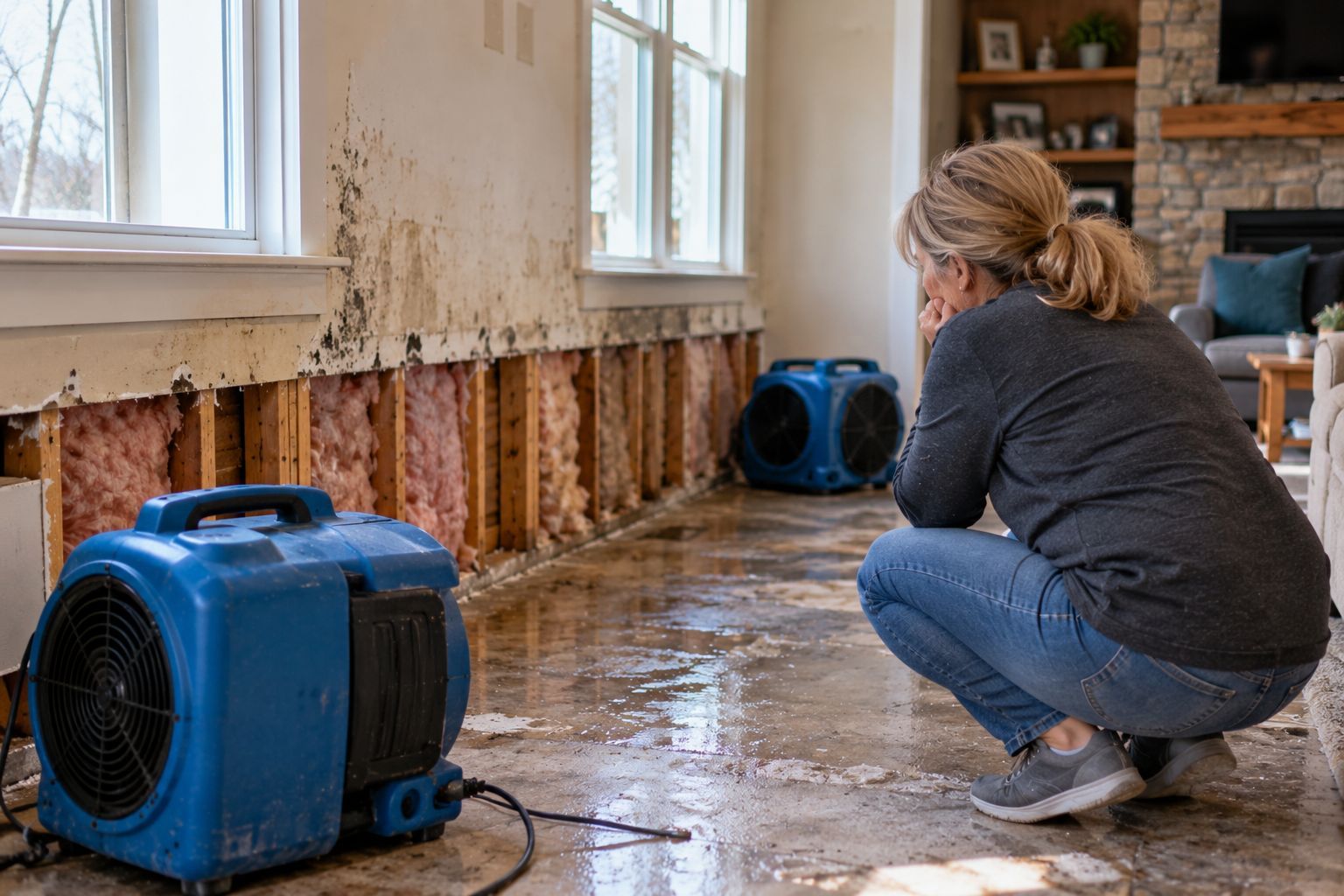
Flood Insurance
Standard home policies do not cover flooding. We help you add flood coverage through the NFIP or a private carrier before the water rises.
Business Insurance in Ohio & Pennsylvania
No matter how big or small your business, we protect it
Practical coverage for your people, your property, and the work you do.
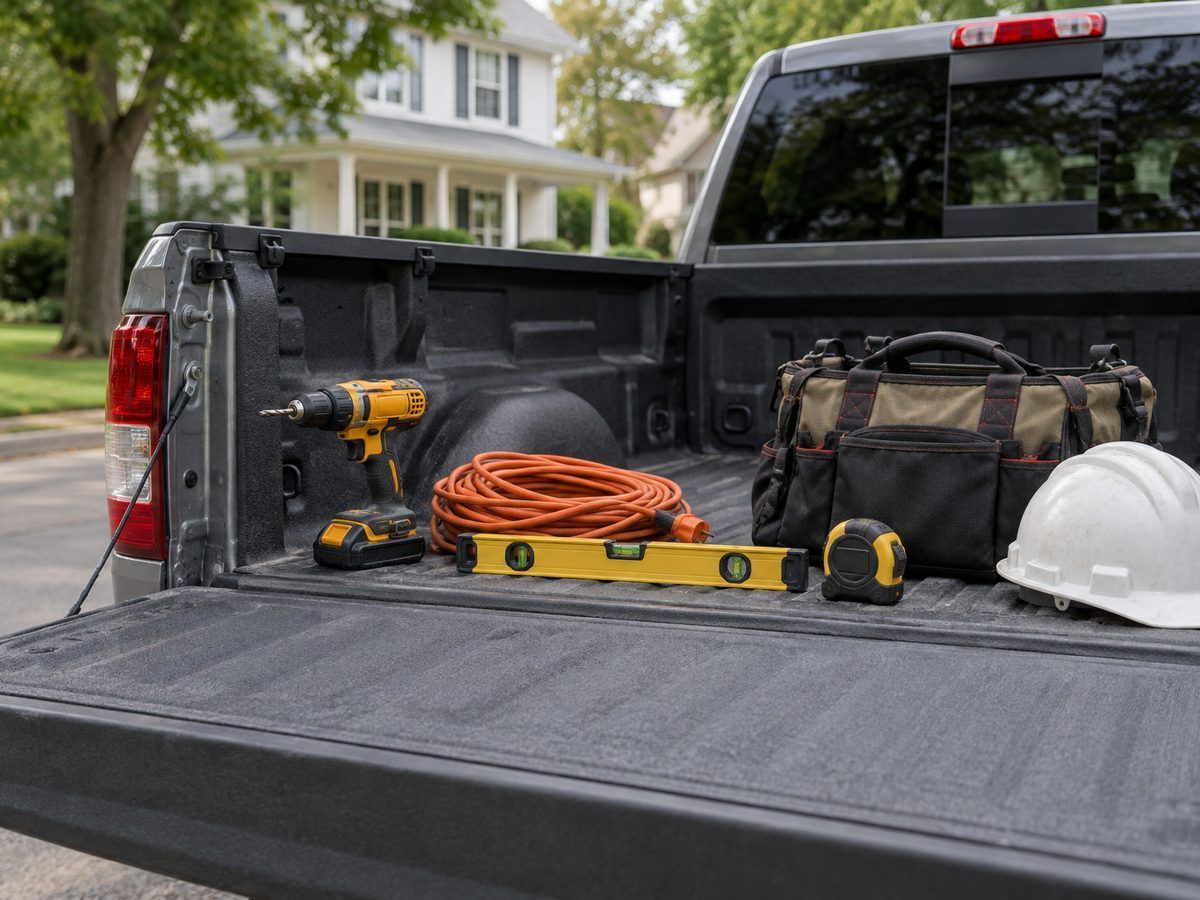
General Liability
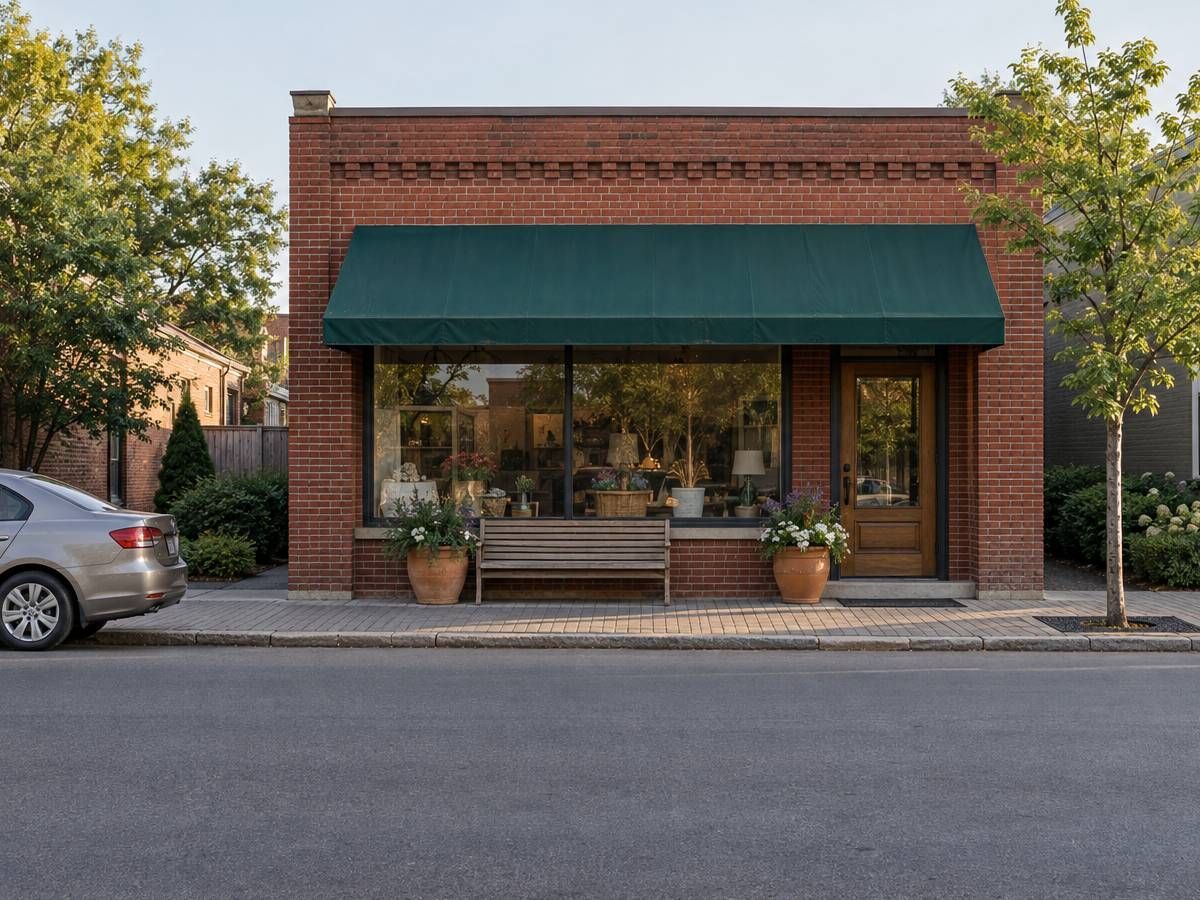
Business Owners Policy

Professional Liability
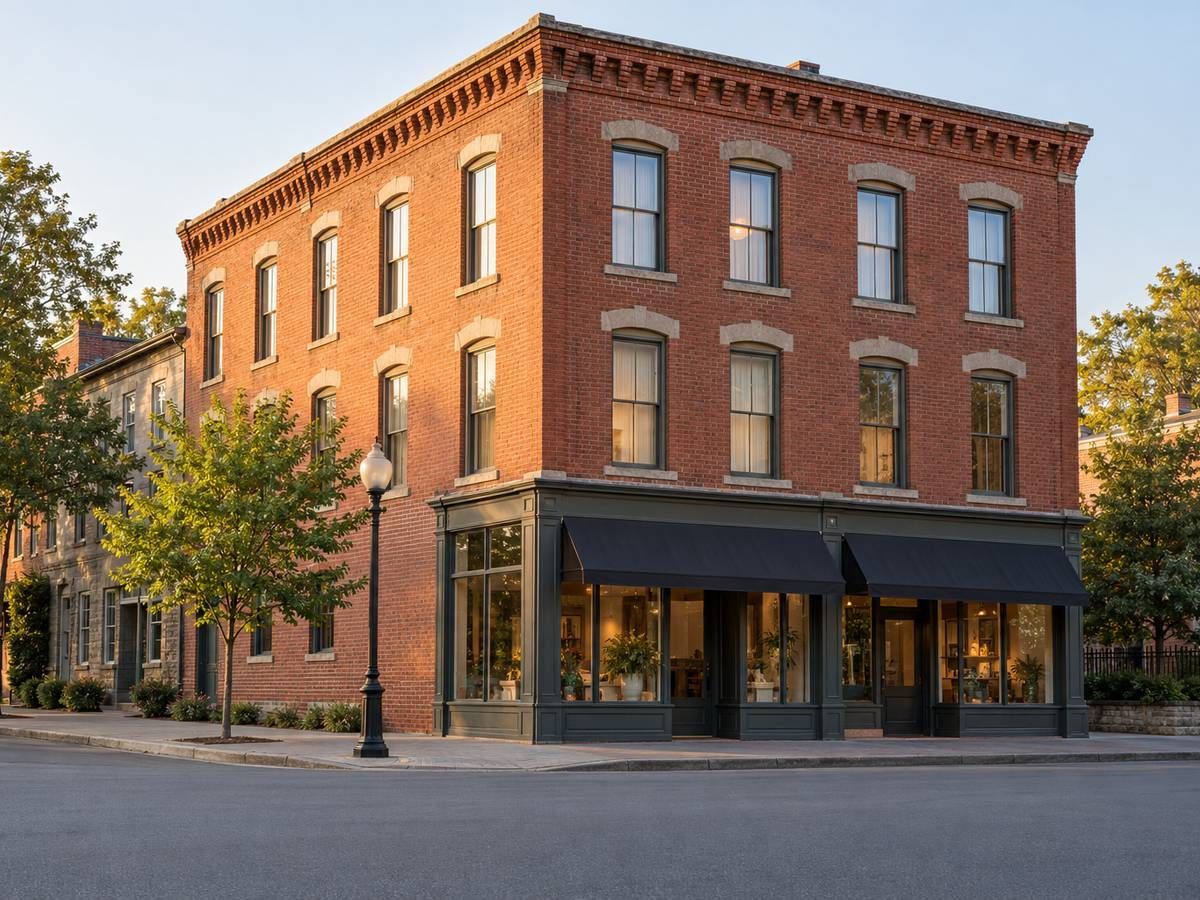
Commercial Property

Workers Compensation
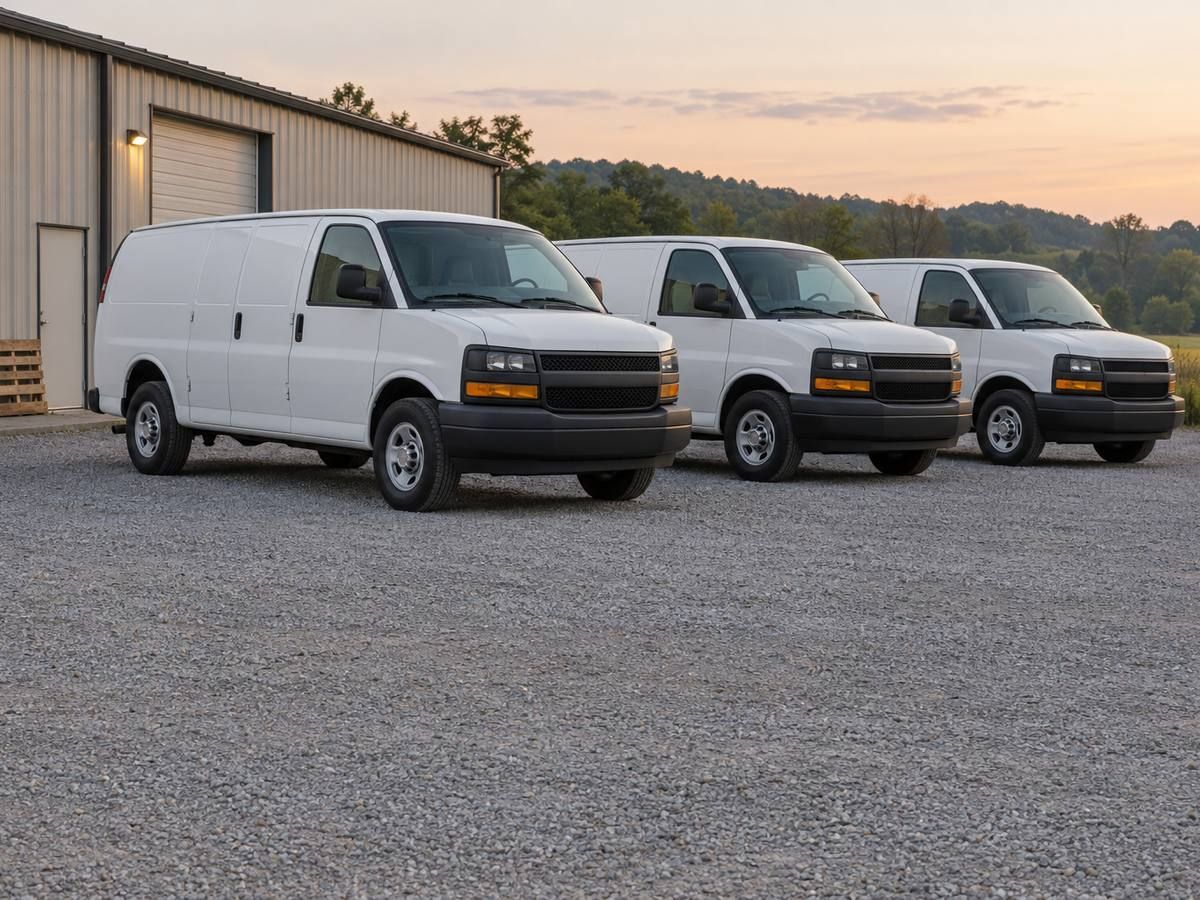
Commercial Auto
Industries We Serve
Insurance built around the work you do
Every industry carries different risks. We know the coverage each one needs and shop the carriers that write it well.
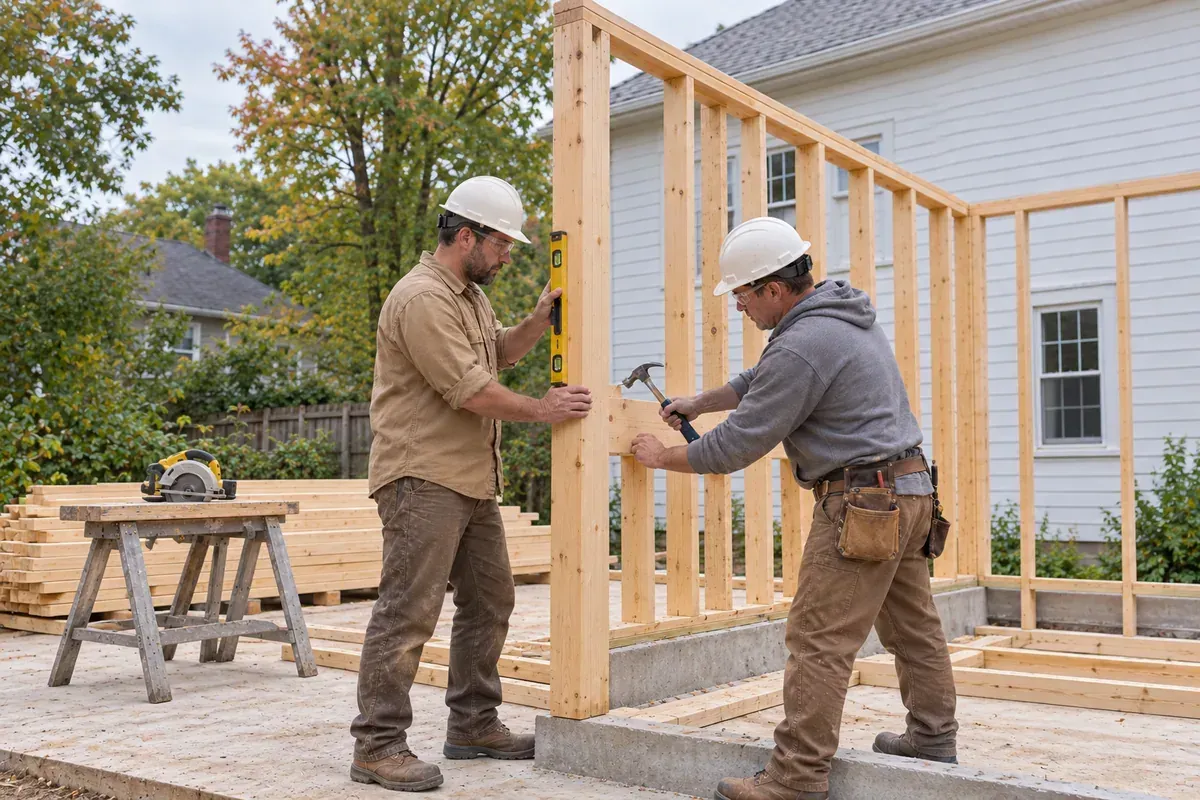
Contractors Insurance
General contractors, remodelers, roofers, and trade crews. We cover the liability, tools, vehicles, and workers your jobs depend on.

Plumber Insurance
Water damage claims follow plumbers everywhere. We cover your liability, your tools, your van, and your crew, job after job.

Restaurant Insurance
Kitchens, bars, and cafes face fire, spoilage, and slip risks. We package property, liability, and liquor coverage in one plan.
5-Star Rated on Google
What our clients say
Our clients say it best. Here is what they share about working with Josh, Dave, and the MVP team.
Contractors & Tradesmen
General contractors, roofers, electricians and plumbers. We cover liability, tools, vehicles and crews so every job stays protected.
Insurance Tips & News
Insurance tips for Ohio and Pennsylvania families and businesses
Practical ideas for protecting what matters to you.

Insurance Questions, Answered
Questions our clients ask
A little clarity can make your next step easier.
What does an independent insurance agency do?
An independent agency works with multiple insurance companies. We compare your options, explain the differences, and help you choose coverage that fits your needs.
Can MVP Insurance quote both my home and auto?
Yes. We can compare home and auto insurance options together. We explain available discounts and check how the policies work together.
Do you insure businesses in Ohio and Pennsylvania?
Yes. We help businesses in both states compare options for property, liability, employees, and commercial vehicles. The right policy depends on your work and the risks involved.
How do I import my current policy for a quote?
Use our Canopy policy import link to share your current policy information. Our team can then review your existing coverage and compare options with you.
How do I report a claim or make a payment?
Visit our Client Center for billing and claims information. You can also call either office for help finding the right carrier contact.
How often should I review my insurance?
Review your coverage each year and after a major change, such as a move, new vehicle, or business expansion. Tell us what changed so we can help you check your protection.


Covington office, Monday through Friday
Call
614 E. Boston St., Covington, LA 70433
58418 Tyler Drive, Slidell, LA 70461
Request Your Free Quote
Let's make insurance simple for you
Tell us what you need. We will help you explore your options.