
Owner, MVP Insurance
Condo and renters
If you own a condo, your association covers the building and you cover your unit, your belongings and your liability. Renters cover their belongings and liability only. Both policies cost less than most people expect.
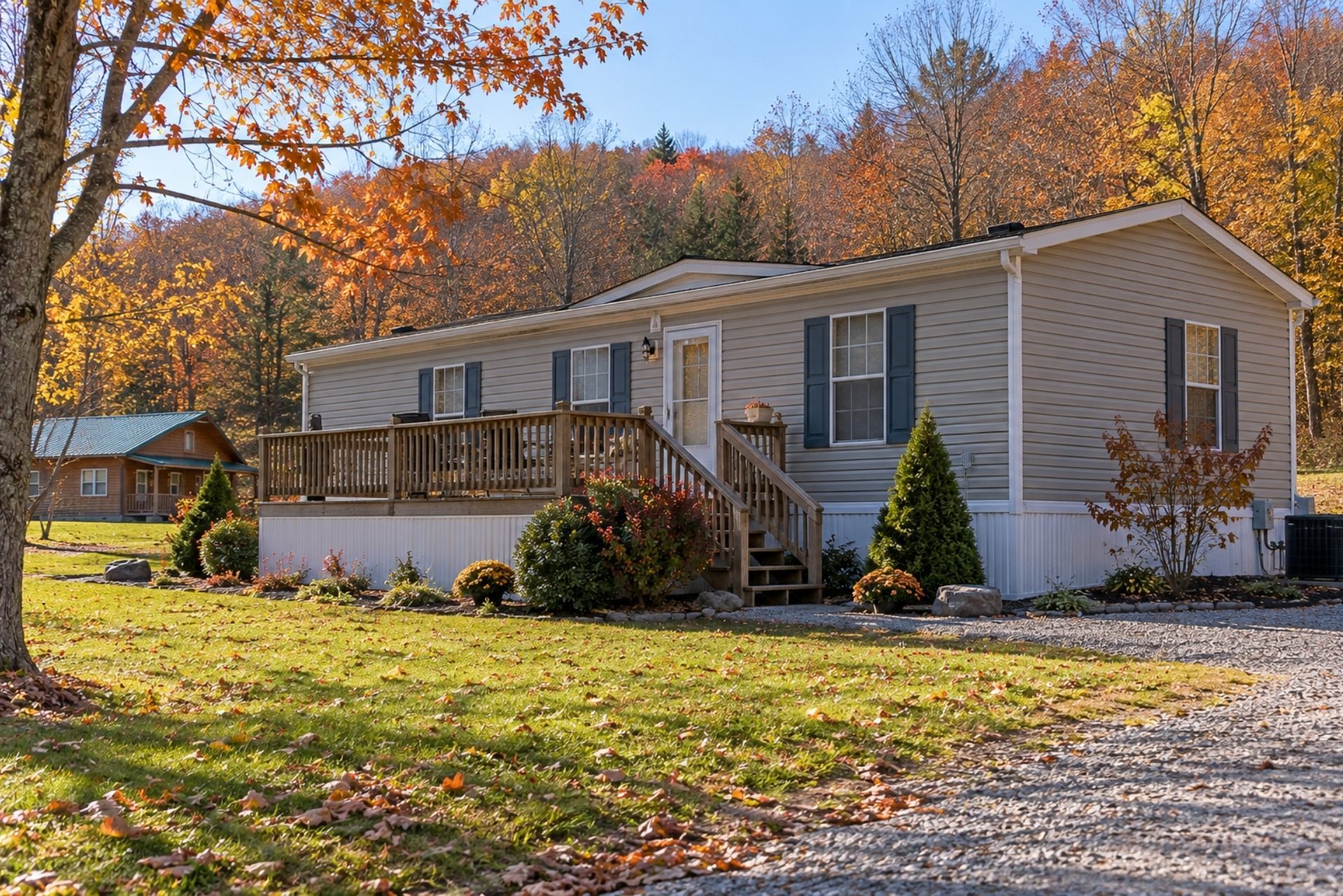
Pennsylvania mobile home insurance protects a manufactured home's structure, your belongings, and your liability if someone gets hurt on your property. The right policy depends on where the home sits (owned land or a leased lot), how it is anchored, how old it is, and whether claims pay replacement cost or actual cash value.
Those four factors drive almost every quote we see for manufactured homes across western Pennsylvania and beyond. A 2018 double-wide on its own acre in Butler County gets treated very differently from a 1972 single-wide in a land-lease community outside Harrisburg. The structure looks similar from the road, but the underwriting questions, carrier options, and claim payouts can be miles apart.
This matters more than it used to. Pennsylvania homeowners have seen cumulative premium increases of roughly 44% since 2021, and manufactured home owners feel those jumps sharply because many live on fixed or modest incomes. Knowing how these policies actually work helps you avoid paying for coverage you don't need, or worse, discovering a gap after a storm rips the skirting off your home. Here's what to know before you buy or renew.
Pennsylvania Mobile Home Insurance Coverage Options
A manufactured home policy in Pennsylvania gives you two core protections: physical damage coverage for the home and your belongings, and liability coverage if you're legally responsible for someone else's injury or property damage. Most policies also include extras like debris removal and coverage for detached structures such as sheds and carports.
The building coverage (often called dwelling coverage) pays to repair the home after covered events like fire, wind, hail, lightning, falling trees, and theft-related damage. Personal property coverage handles your furniture, clothing, electronics, and appliances that aren't built in. If a kitchen fire forces you out for three weeks, additional living expense coverage helps pay for a hotel and meals while repairs happen.
Debris removal deserves more attention than it gets. After a total loss, someone has to haul away the remains of a 70-foot home, and that bill can run into thousands of dollars. Some policies include it within the dwelling limit, which shrinks the money left for rebuilding, while others pay it as a separate amount. Ask which one you have.
Other coverages worth reviewing:
- Other structures: Sheds, carports, decks, and detached garages
- Medical payments: Small no-fault payments when a guest gets hurt, regardless of who caused it
- Trip collision or transportation: Covers the home while it's being moved to a new site
- Water backup: Often excluded unless you add it, and frozen-pipe claims are common in PA winters
The most frequent mistake we see is a homeowner insuring the home but forgetting the add-ons: a new $6,000 deck or a carport that never made it onto the policy.

On this page
MVP Insurance is a local, independent agency, licensed to serve individuals and businesses across Ohio and Pennsylvania.
We serve clients from our offices in New Springfield and Zelienople and throughout Northeast Ohio and Western Pennsylvania, working with multiple carriers to help homeowners, drivers, renters and condo owners, landlords, contractors, restaurant owners, shop owners, auto repair shops, professional offices and many other personal and commercial clients find coverage that fits.
Written By
David Varrati
Owner, MVP Insurance
Owner, MVP Insurance
On this page
Umbrella
An umbrella policy adds liability protection above the limits on your home and auto policies. One serious accident can cost more than those limits, and the umbrella is what stands between the claim and your savings.
Understanding Manufactured Home Policies in PA
Manufactured home policies in Pennsylvania are built specifically for factory-built homes, and they differ from standard homeowners forms in how they value the structure and what they require from you. Most carriers offer tiered options, so you can match the policy to the home's age, condition, and location.
Here's how the common coverage pieces generally compare:
| Coverage | What It Covers | Typical Range or Option |
|---|---|---|
| Dwelling | The home itself | Based on replacement or market value |
| Other structures | Sheds, carports, decks | Often 10% of dwelling, adjustable |
| Personal property | Belongings inside | Often 50% to 70% of dwelling |
| Loss of use | Temporary housing costs | Percentage of dwelling or set limit |
| Personal liability | Injury or damage you cause others | Commonly $100,000 to $300,000 |
| Medical payments | Guest injuries, no-fault | Commonly $1,000 to $5,000 |
| Valuation | How claims are paid | Replacement cost or actual cash value |
Nationally, manufactured home insurance typically runs $800 to $1,200 per year in 2026, though your price depends on the home's age, location, claims history, and deductible. A newer home in a low-risk area with a higher deductible can come in well under that range.
Policy filings in the state are also changing. In April 2026, the Pennsylvania Insurance Department issued Notice 2026-07 to modernize filing requirements while keeping strict oversight of personal risk insurance. For consumers, that means carriers still have to justify their manufactured home forms and rates to regulators.
MVP Insurance, founded in 2008 by Josh Medure and David Varrati, is an independent agency that works with carriers including Erie, Progressive, Foremost, and American Modern. Because we compare several companies side by side, we can match a newer home with a carrier that rewards its condition and place an older or unusual home with a carrier that specializes in it.
Written By
David Varrati
Owner, MVP Insurance
Owner, MVP Insurance
On this page
Multiple carriers
We quote your home, auto and other policies across the carriers we represent, look at how they pair for discounts, and show you the differences in coverage, not just the price.
Coverage on Leased Lots in Land-Lease Communities
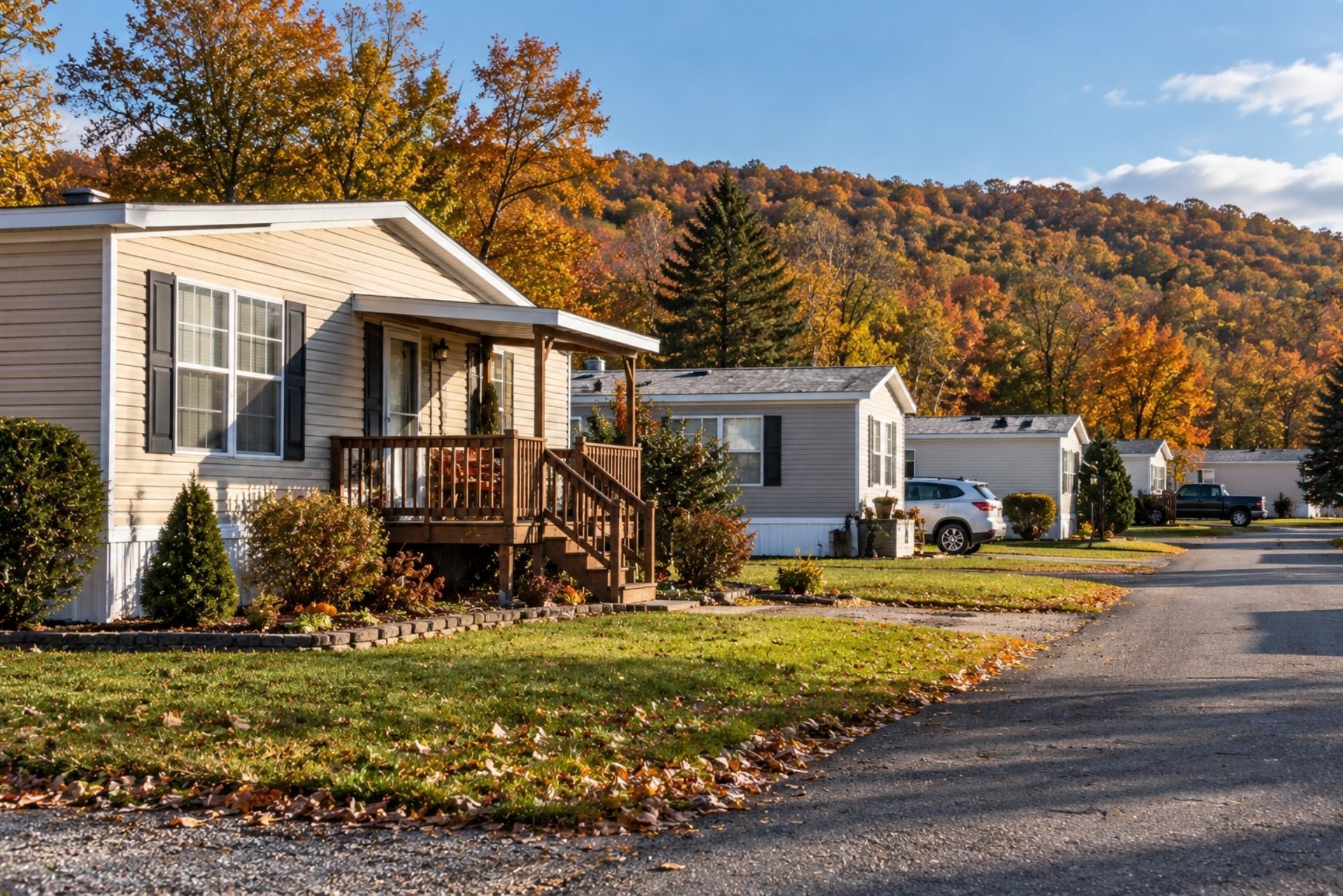
When your home sits on a leased lot, your insurance focuses on the dwelling and your personal liability because you don't own the land underneath. This setup is common across Pennsylvania, where many residents pay a monthly lot fee to a community owner while owning the home itself.
The community owner insures the shared roads, clubhouse, and common areas. You insure everything that's yours: the home, its attachments, your shed, your belongings, and your liability for what happens on your lot. Picture a neighbor's child tripping on your front steps. That claim lands on your policy, not the park's, even though the park owns the ground beneath those steps.
Your lease matters here, so read it closely before you shop. Many communities require residents to carry a minimum amount of liability coverage and to list the community as an additional interest so it gets notice if your policy lapses. Some also have rules on skirting, steps, sheds, and tree trimming that can affect claims.
A few practical points for leased-lot owners:
- Keep proof of insurance handy, since communities often ask for it at lease renewal
- Ask about loss assessment coverage if your lease allows the park to pass shared costs to residents
- Confirm your policy covers relocation if the community closes or redevelops
- Report additions like a new deck so they're actually insured
Pennsylvania Manufactured Housing Community Rights Act
The primary statute governing the relationship between residents and community owners in Pennsylvania is the Manufactured Housing Community Rights Act. As of this writing, it generally sets rules on lease terms, community rules, fees, and the grounds and process for eviction.
Insurance ties directly into those protections. Community rules can require residents to carry certain coverage, and failing to maintain required insurance can serve as grounds for eviction proceedings. A lapsed policy, even from a missed payment, can put your housing at risk, which is a strong reason to set up automatic payments.
Lawmakers are also pushing for broader changes. Governor Shapiro's 2026-27 budget proposal and Housing Action Plan include a right of first refusal letting residents try to buy their community if it goes up for sale. Senate Bill 746, which passed the Senate Urban Affairs and Housing Committee in June 2026, would give resident associations a 90-day window to purchase their community, and House Bill 1250 aims to cap annual lot rent increases at the Consumer Price Index. Supporters describe the goal as an effort to increase transparency and ensure fair lot fee increases. None of these proposals change your insurance duties, but they could shape costs in your community.
Tie-Down and Wind Requirements for PA Homes
Most Pennsylvania insurers expect manufactured homes to be properly anchored with approved tie-down systems to reduce wind damage. Proper anchoring is often a condition of getting coverage at all, especially in areas that see regular severe thunderstorms or the occasional tornado.
Pennsylvania isn't hurricane country, but straight-line winds from summer storms do real damage. We regularly see claims for torn skirting, lifted roof panels, damaged awnings, and homes shifted on their piers. An unanchored or poorly anchored home faces a far bigger risk: a strong gust can push it off its foundation entirely, which often turns a repairable claim into a total loss.
Installation is regulated at the state level. All manufactured homes in Pennsylvania must be installed by DCED-licensed installers, and the department works to make sure manufactured housing meets specific safety and installation standards. If your home was set professionally after you bought it, ask for the installer's paperwork and keep it with your policy documents.
Underwriters commonly ask about:
- Whether the home has tie-downs and how many
- The type of foundation (piers, slab, or permanent foundation)
- The condition of straps and anchors, since rusted or loose straps may not count
- Whether skirting is intact
Inspect your straps every year or two, particularly after frost heave season. Ground movement in a Pennsylvania winter can loosen anchors you assumed were tight. Tightening them is a small job compared with arguing over a wind claim where the adjuster notes the home wasn't secured.
Insuring Older Homes and Pre-1976 Units
Insuring an older mobile home, especially one built before the June 1976 HUD code took effect, is harder and usually calls for a specialized carrier. In Pennsylvania, Foremost and American Modern are typically the main options for these units, and both are on MVP's carrier list.
The HUD code set national standards for construction, fire safety, wiring, and wind resistance. Homes built before it weren't held to those rules, so many mainstream carriers simply won't write them. Underwriters worry about aluminum wiring, older heating systems, outdated roofs, and frames that weren't designed to modern standards.
That doesn't mean a 1974 home can't be insured. It means the carrier will look closely at updates. Expect questions like these:
- Has the roof been replaced, and when?
- Is the electrical system updated or still original?
- What type of heat does the home use, and is a wood stove present?
- Has the plumbing been replaced?
- What's the overall condition, inside and out?
Photos help a lot. A clear set of pictures showing a newer metal roof, updated electrical panel, and solid skirting can move an older home from a decline to an approval. We've watched owners get turned away online simply because a form asked for the year built and nothing else.
If no voluntary carrier will take the home, the Pennsylvania FAIR Plan acts as a market of last resort for basic property coverage. Coverage there is generally more limited than a standard private policy and is meant for higher-risk properties, so treat it as a backstop rather than a first choice.
Replacement Cost vs Actual Cash Value
Replacement cost pays to repair or replace your home with new materials of similar quality, while actual cash value subtracts depreciation from that amount. Actual cash value is common on older units, and it can dramatically shrink the check you receive after a total loss.
Here's a simple example. Say a fire destroys a 25-year-old single-wide. Replacing it with a comparable new home might cost $90,000. Under a replacement cost policy, you'd collect close to that figure, minus your deductible, up to your limit. Under actual cash value, the carrier accounts for decades of wear, and the payout could be a fraction of that, sometimes barely enough to cover a used home.
The same math applies to partial losses. A hailstorm damages a 15-year-old roof. Replacement cost covers a new roof. Actual cash value pays for what a 15-year-old roof was worth, leaving you to cover the difference.
| Factor | Replacement Cost | Actual Cash Value |
|---|---|---|
| Payout basis | Cost of new materials | New cost minus depreciation |
| Premium | Higher | Lower |
| Typical homes | Newer units | Older units |
| Total loss result | Closer to rebuilding | Often much less |
For newer homes, replacement cost is worth the extra premium for most families. For older units where it isn't offered, choose a dwelling limit that reflects realistic value and set aside savings knowing the payout may fall short. Some carriers offer replacement cost on personal property even when the dwelling is on actual cash value, which is a worthwhile middle ground to ask about.
Common Questions About Pennsylvania Mobile Home Insurance
Is mobile home insurance required in Pennsylvania? State law doesn't require it, but your lender almost certainly will if you have a loan. Most land-lease communities also require residents to carry coverage as part of the lease.
Does my mobile home policy cover flood damage? No, standard manufactured home policies exclude flood. You'll need a separate flood policy, which is worth considering if you live near a creek or river.
How do I insure a home in a mobile home park? You buy a manufactured home policy covering your dwelling, belongings, and liability, while the park insures common areas. Check your lease for required liability limits and whether the park must be listed on your policy.
What's the difference between a mobile home and a manufactured home? Homes built before the June 1976 HUD code are technically mobile homes, and homes built after are manufactured homes. Insurers care about this date because it affects which carriers will write the policy.
Can I get coverage on a home built in the early 1970s? Often, yes, through specialized carriers like Foremost or American Modern. Updates to the roof, wiring, and heating make approval much more likely.
Why did my premium go up when I didn't file a claim? Rates across Pennsylvania have climbed in recent years due to rising repair costs and storm losses. Shopping your policy with an independent agent is one way to see whether another carrier offers better value.
Contact MVP Insurance for a Pennsylvania Quote
The right manufactured home policy comes down to a handful of honest answers: where your home sits, how it's anchored, when it was built, and how you want claims paid. Get those right and you avoid the painful surprises, like a lapsed policy putting your lease at risk or an actual cash value check that won't replace your home.
Because we're independent, MVP Insurance compares coverage from carriers such as Erie, Progressive, Foremost, and American Modern so you don't have to call each one yourself. You can explore our broader personal insurance options in Pennsylvania, or if you own a site-built house as well, review our Pennsylvania homeowners insurance coverage.
Ready to compare? Start your quoteonline, or call our Zelienople office at (724) 453-1122 or our New Springfield office at (330) 707-9055. We'll look at your home's age, setup, and lot situation and show you the options that actually fit. MVP Insurance is licensed in Ohio (#37714) and Pennsylvania (#519263), NPN 10588293.
A few minutes on the phone now can save you from learning about a coverage gap the hard way, after the storm has already passed.
MVP Insurance is a local, independent agency, licensed to serve individuals and businesses across Ohio and Pennsylvania.
We serve clients from our offices in New Springfield, Ohio and Zelienople, Pennsylvania and throughout Northeast Ohio and Western Pennsylvania, working with multiple carriers to help contractors, landlords and real estate investors, restaurants, retail shops, auto repair shops, professional offices and many other personal and commercial clients find coverage that fits.
Our Owners
Two friends who started an agency
Owner
Joshua Medure
I am a Penn State marketing graduate with more than ten years in insurance. My childhood friend David and I started MVP Insurance in Northeast Ohio because we wanted the people around us to have an agency that gives honest advice, real choices and someone who picks up the phone. I lead the agency’s insurance strategy, which means I read the policies so our clients do not have to. Away from the office, I coach youth football.


About the Author
David Varrati
Owner, MVP Insurance
I started MVP Insurance with my childhood friend Josh because we wanted people in Northeast Ohio and Western Pennsylvania to have an agency that explains things plainly and picks up the phone. I studied Political Science at Slippery Rock University and have spent more than ten years helping families and individuals protect what matters to them. When I am not in the office, you will find me coaching youth sports.
Personal Insurance in Ohio & Pennsylvania
Coverage for your home, your car, and your family
Protect the everyday things that mean the most to you.
Homeowners Insurance
Your home is one of your most valuable assets. We compare carriers to protect the house, your belongings, and your liability.
Car Insurance
We proactively shop the market to find the best combination of coverage and price for every car in your driveway.
Renters Insurance
Own a condo or rent your home? We insure your unit, your belongings, and your personal liability at a fair rate.
Umbrella Insurance
Extra liability protection above your home and auto policies. Large coverage limits for a small added cost each year.
Life Insurance
Protect the people who rely on you most, so they can keep their home and lifestyle if the unexpected happens.
Flood Insurance
Standard home policies do not cover flooding. We help you add flood coverage through the NFIP or a private carrier before the water rises.
Business Insurance in Ohio & Pennsylvania
No matter how big or small your business, we protect it
Practical coverage for your people, your property, and the work you do.
General Liability
Business Owners Policy

Professional Liability
Commercial Property

Workers Compensation
Commercial Auto
Industries We Serve
Insurance built around the work you do
Every industry carries different risks. We know the coverage each one needs and shop the carriers that write it well.
Contractors Insurance
General contractors, remodelers, roofers, and trade crews. We cover the liability, tools, vehicles, and workers your jobs depend on.
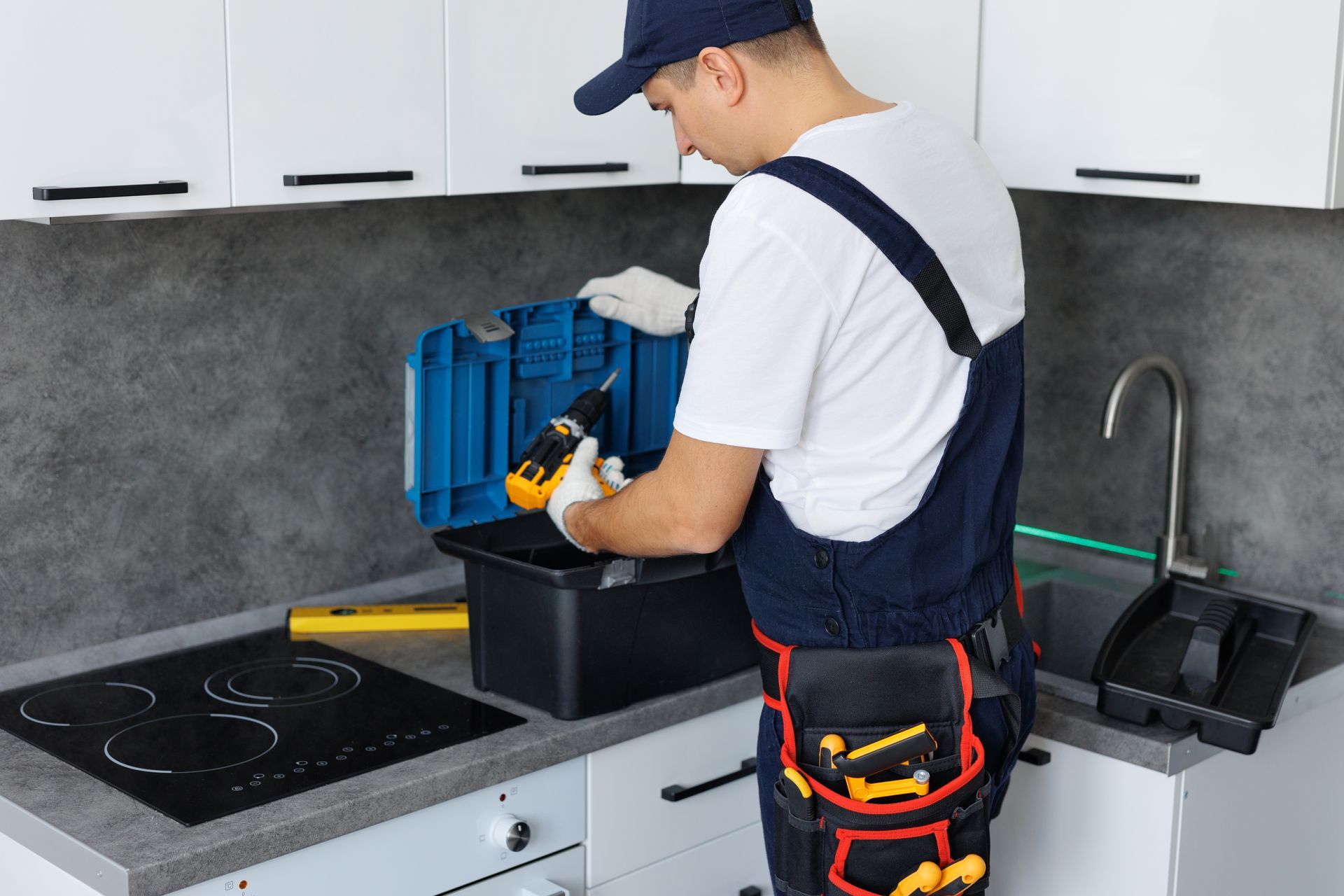
Plumber Insurance
Water damage claims follow plumbers everywhere. We cover your liability, your tools, your van, and your crew, job after job.

Restaurant Insurance
Kitchens, bars, and cafes face fire, spoilage, and slip risks. We package property, liability, and liquor coverage in one plan.
5-Star Rated on Google
What our clients say
Our clients say it best. Here is what they share about working with Josh, Dave, and the MVP team.
Contractors & Tradesmen
General contractors, roofers, electricians and plumbers. We cover liability, tools, vehicles and crews so every job stays protected.
Insurance Tips & News
Insurance tips for Ohio and Pennsylvania families and businesses
Practical ideas for protecting what matters to you.
Insurance Questions, Answered
Questions our clients ask
A little clarity can make your next step easier.
What does an independent insurance agency do?
An independent agency works with multiple insurance companies. We compare your options, explain the differences, and help you choose coverage that fits your needs.
Can MVP Insurance quote both my home and auto?
Yes. We can compare home and auto insurance options together. We explain available discounts and check how the policies work together.
Do you insure businesses in Ohio and Pennsylvania?
Yes. We help businesses in both states compare options for property, liability, employees, and commercial vehicles. The right policy depends on your work and the risks involved.
How do I import my current policy for a quote?
Use our Canopy policy import link to share your current policy information. Our team can then review your existing coverage and compare options with you.
How do I report a claim or make a payment?
Visit our Client Center for billing and claims information. You can also call either office for help finding the right carrier contact.
How often should I review my insurance?
Review your coverage each year and after a major change, such as a move, new vehicle, or business expansion. Tell us what changed so we can help you check your protection.

Covington office, Monday through Friday
Call
614 E. Boston St., Covington, LA 70433
58418 Tyler Drive, Slidell, LA 70461
Request Your Free Quote
Let's make insurance simple for you
Tell us what you need. We will help you explore your options.