
Owner, MVP Insurance
Coverage
Pennsylvania gives drivers more decisions to make than most states. Few people realize that until a claims adjuster asks which tort option they picked or whether their uninsured motorist coverage was stacked. Here's what each of those choices means and how to set up a policy that actually protects you.
Understanding Pennsylvania Car Insurance and Your Coverage Options
Pennsylvania car insurance requires every driver to carry minimum liability limits and first party medical benefits. You also choose between full tort and limited tort, which decides how freely you can sue after a crash. Those choices, plus whether you stack uninsured motorist coverage, shape both your premium and your protection.
MVP Insurance was founded in 2008 by Josh Medure and David Varrati. The agency has offices at 108 E Grandview Ave in Zelienople, PA and 13823 Grant St in New Springfield, OH. Because MVP is independent, the team compares policies from several carriers instead of selling one company's product. That matters in Pennsylvania, where two drivers with identical cars can have very different policies depending on their tort, stacking and medical benefit selections.
Most people renew year after year without revisiting those selections. The checkbox you ticked at 22, when your goal was the lowest monthly payment, may not fit a household with kids, two cars and a mortgage.

On this page
MVP Insurance is a local, independent agency, licensed to serve individuals and businesses across Ohio and Pennsylvania.
We serve clients from our offices in New Springfield and Zelienople and throughout Northeast Ohio and Western Pennsylvania, working with multiple carriers to help homeowners, drivers, renters and condo owners, landlords, contractors, restaurant owners, shop owners, auto repair shops, professional offices and many other personal and commercial clients find coverage that fits.
Written By
David Varrati
Owner, MVP Insurance
Owner, MVP Insurance
On this page
Umbrella
An umbrella policy adds liability protection above the limits on your home and auto policies. One serious accident can cost more than those limits, and the umbrella is what stands between the claim and your savings.
Full Tort vs Limited Tort: Choosing Your Right to Sue
Pennsylvania is a choice no-fault state. You pick full tort and keep your complete right to sue, or you pick limited tort and pay less in exchange for giving up part of that right.
Under limited tort, you waive the right to sue for non-economic damages like pain and suffering unless the injury qualifies as "serious" under state law. You can still recover medical bills and lost wages. What you lose is compensation for the months of physical therapy, the sleepless nights and the softball season you missed. Whether an injury counts as "serious" is often argued over, and a herniated disc that changes your life may not clear that bar.
Full tort costs more, but it keeps your legal options open no matter how the injury is classified. Budget pressure is pushing some households the other way. In September 2026, state regulators pointed to health insurance rate hikes of 10 to 40 percent, and industry experts suggest that squeeze may lead more drivers toward limited tort.
A common mistake is choosing limited tort to save a modest amount without realizing it usually applies to everyone in the household on that policy. Run the actual price difference before you decide. For many families, the extra cost of full tort is small next to what it protects.
Required First Party Medical Benefits in Pennsylvania
Pennsylvania auto policies must generally include at least $5,000 in first party medical benefits. This coverage pays your own medical bills after a crash, no matter who caused it.
This is the "no-fault" piece of Pennsylvania's system, and it works differently from most states. Your own policy pays first for your injuries, so you aren't waiting months for another driver's insurer to accept fault before the ER bill gets handled. It also generally covers household family members and, in many cases, passengers or pedestrians without their own coverage.
The catch is that $5,000 disappears fast. An ambulance ride, imaging and a short hospital stay can use it up in a single afternoon. After that, your health insurance usually takes over, along with its deductibles and copays.
You can buy higher limits, often in steps such as $10,000, $25,000 or more. Higher medical benefits are worth a hard look if you have a high-deductible health plan, are self-employed or regularly drive kids around. Some carriers also offer income loss and funeral benefits as add-ons, which can fill gaps that the base coverage ignores.
Written By
David Varrati
Owner, MVP Insurance
Owner, MVP Insurance
On this page
Where you live
What you drive and own
Vehicle type, repair cost and safety features drive the auto premium. For the home, the rebuild cost, roof age, and updates to wiring, plumbing and heating carry the most weight.
Claims and credit where allowed
Three to five years of claims follow you from carrier to carrier. Both Ohio and Pennsylvania allow insurers to use a credit-based insurance score within state rules, so improving it over time can lower your premium.
| Situation | Coverages usually carried | What to check | Main cost drivers |
|---|---|---|---|
| First home | Homeowners, auto, often umbrella | Rebuild cost, deductible, lender requirements | Age and construction of the home, location, claims history |
| Young driver in the household | Auto with the teen listed, umbrella | Good-student and driver-training discounts, liability limits | Driver age and record, vehicle type, annual miles |
| Rental condo | Condo unit-owners policy with loss of rent | Where the association policy stops, tenant liability | Unit value, association deductible, rental use |
| Renter | Renters policy | Replacement cost on belongings, liability limit | Belongings value, location, deductible |
| Lake toys | Boat or watercraft policy, umbrella | Trailer and gear coverage, navigation limits | Horsepower, hull value, where it is stored and used |
| Motorcycle or RV | Motorcycle or RV policy, auto | Custom parts, roadside and vacation liability | Vehicle value, riding season, storage |
| Growing family | Term life, home, auto, umbrella | Coverage amount against mortgage and income | Age, health, term length, amount |
Pennsylvania State Minimum Liability Limits
Pennsylvania's minimum liability requirement is typically 15/30/5. That means $15,000 for one person's bodily injury, $30,000 total per accident and $5,000 for property damage you cause.
Those numbers haven't kept pace with what things cost now. Five thousand dollars in property damage might not cover a fender bender with a newer pickup, never mind a crash involving a luxury SUV or a utility pole. Once your limits run out, the injured party can come after your personal assets and future wages.
| Coverage | State Minimum | Common Recommended Limit |
|---|---|---|
| Bodily injury, per person | $15,000 | $100,000 to $250,000 |
| Bodily injury, per accident | $30,000 | $300,000 to $500,000 |
| Property damage | $5,000 | $100,000 or more |
| First party medical | $5,000 | $10,000 to $25,000+ |
Moving from minimum limits to 100/300/100 often costs less than people expect, because the first dollars of coverage are the most expensive. If you own a home or have savings to protect, the minimums are a legal floor, not a safety net. It also helps to see the official state auto insurance guide for how each coverage works.
Written By
David Varrati
Owner, MVP Insurance
Owner, MVP Insurance
On this page
04
Review, bind, and relax
Once you approve, we bind the policies, send your ID cards and set a reminder for next year's review.
Stacked vs Unstacked Uninsured and Underinsured Motorist Coverage
Stacking lets you combine your uninsured and underinsured motorist limits across multiple vehicles or policies. That raises the amount available if a driver with little or no insurance hits you.
Picture this: someone carrying the 15/30/5 minimum runs a red light and you end up with $80,000 in medical bills and lost income. Their $15,000 runs out right away. Your underinsured motorist coverage picks up the difference, but only up to your own limit. Stacking can multiply that limit.
Unstacked coverage gives you the limit shown for a single vehicle, period. It costs less, and Pennsylvania requires a signed rejection form if you choose it. Many people sign that form during a rushed purchase without understanding what they gave up.
How Stacking Protects Multi-Vehicle Households
Say your household insures three cars, each with $50,000 in underinsured motorist coverage. Stacked, an injured family member could typically access up to $150,000. Unstacked, they get $50,000.
Here's where stacking usually makes the most sense:
- Households with two or more vehicles, since each added car increases the available limit
- Families without strong disability coverage who would struggle if a breadwinner couldn't work
- Drivers who chose limited tort, because uninsured motorist claims can help offset restricted lawsuit rights
- Commuters on busy corridors where uninsured drivers are more common
Single-car owners get less benefit from stacking, so unstacked may be reasonable there.
Written By
David Varrati
Owner, MVP Insurance
Owner, MVP Insurance
On this page
Where you live
What you drive and own
Vehicle type, repair cost and safety features drive the auto premium. For the home, the rebuild cost, roof age, and updates to wiring, plumbing and heating carry the most weight.
Claims and credit where allowed
Three to five years of claims follow you from carrier to carrier. Both Ohio and Pennsylvania allow insurers to use a credit-based insurance score within state rules, so improving it over time can lower your premium.
| Situation | Coverages usually carried | What to check | Main cost drivers |
|---|---|---|---|
| First home | Homeowners, auto, often umbrella | Rebuild cost, deductible, lender requirements | Age and construction of the home, location, claims history |
| Young driver in the household | Auto with the teen listed, umbrella | Good-student and driver-training discounts, liability limits | Driver age and record, vehicle type, annual miles |
| Rental condo | Condo unit-owners policy with loss of rent | Where the association policy stops, tenant liability | Unit value, association deductible, rental use |
| Renter | Renters policy | Replacement cost on belongings, liability limit | Belongings value, location, deductible |
| Lake toys | Boat or watercraft policy, umbrella | Trailer and gear coverage, navigation limits | Horsepower, hull value, where it is stored and used |
| Motorcycle or RV | Motorcycle or RV policy, auto | Custom parts, roadside and vacation liability | Vehicle value, riding season, storage |
| Growing family | Term life, home, auto, umbrella | Coverage amount against mortgage and income | Age, health, term length, amount |
Handling Deer Collision Claims on Rural Pennsylvania Roads
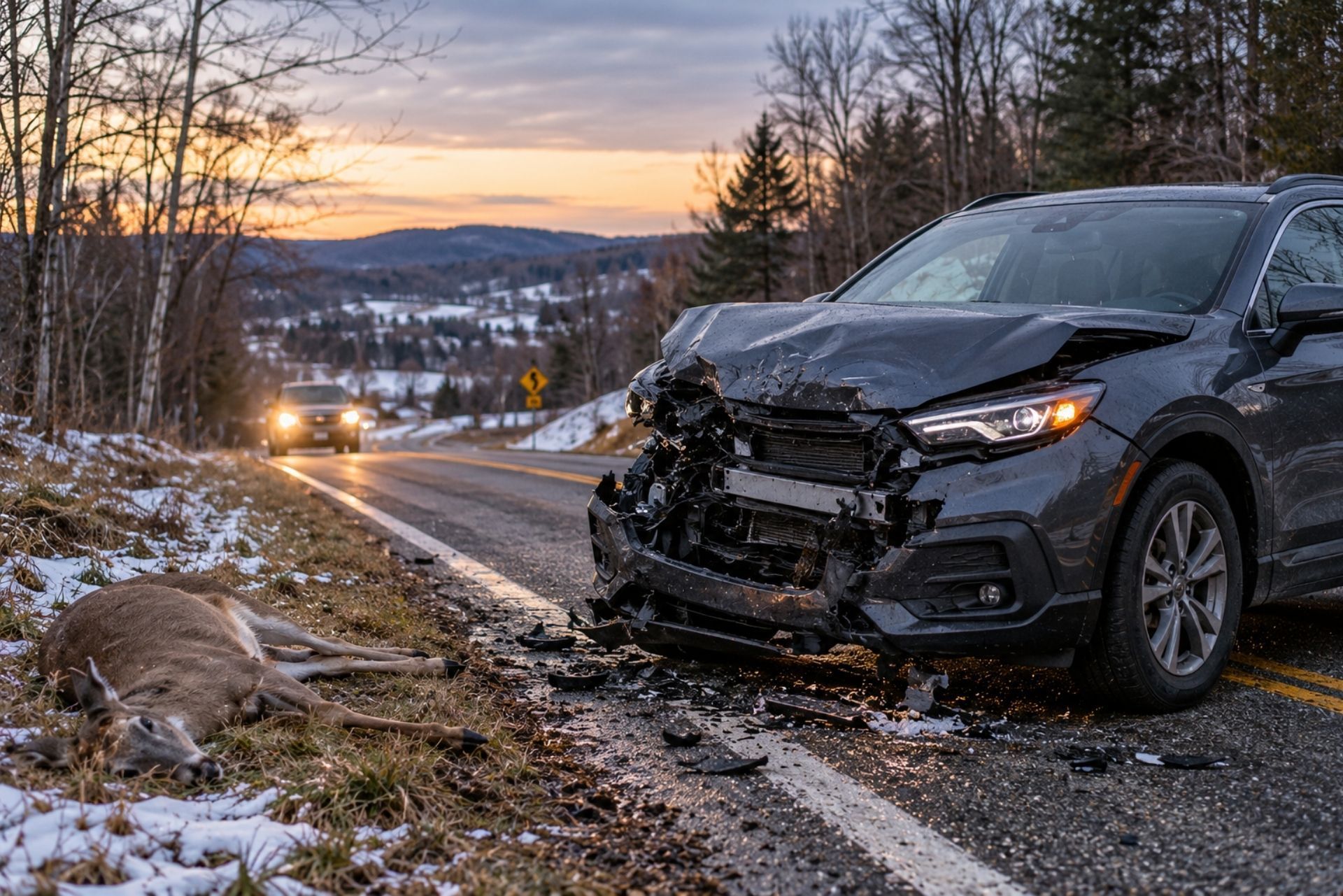
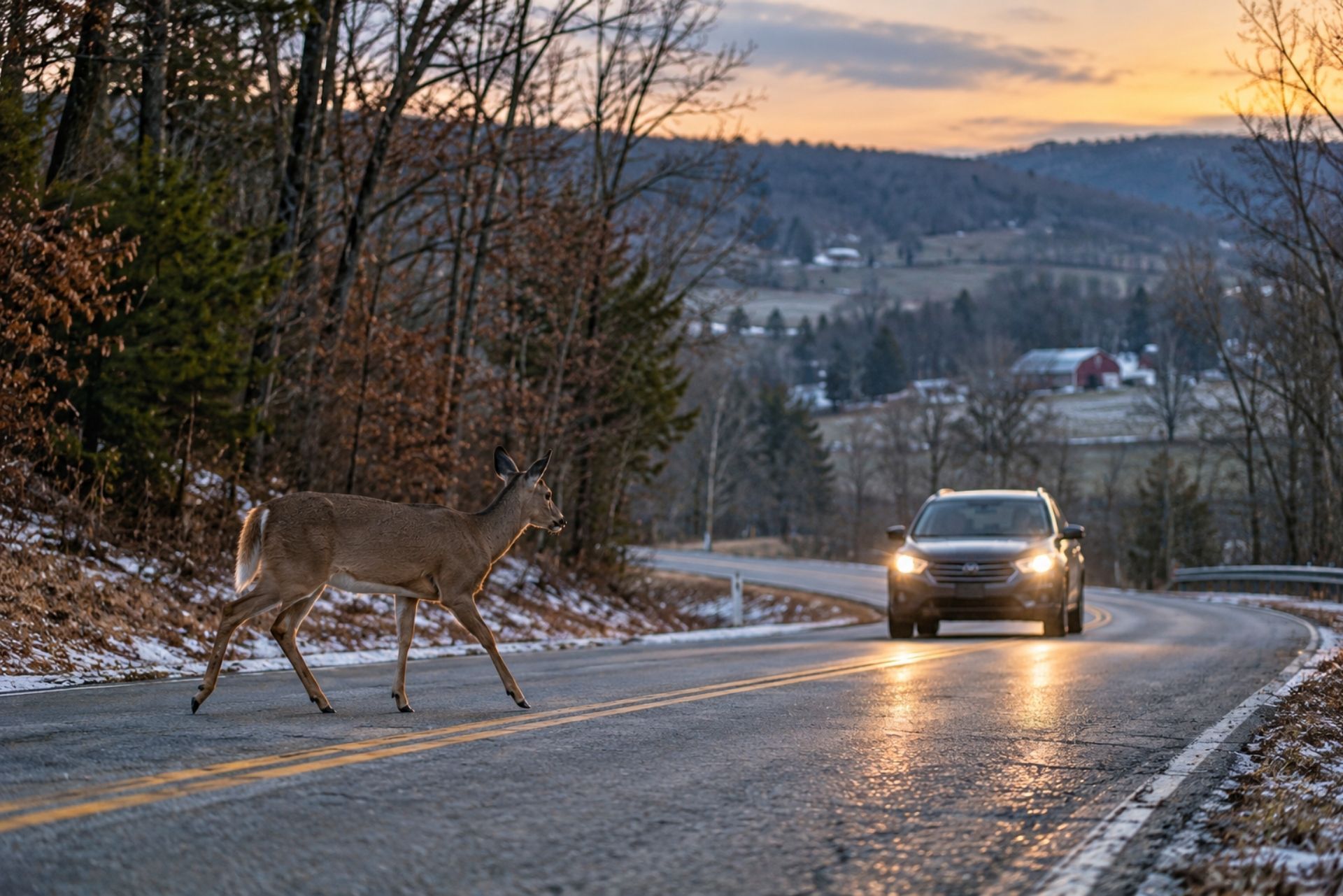
Deer strikes are generally covered under comprehensive insurance, not collision. If you carry only liability, you'll pay for your own repairs.
Pennsylvania typically ranks among the top states for these claims. As of this writing, it holds the top spot nationally, with roughly 141,300 animal-collision claims filed between July 2025 and June 2026. Drivers here face 1-in-64 odds of hitting an animal in 2026, compared with 1 in 145 nationally. Back roads through Butler, Lawrence and Beaver counties see plenty of this, especially at dawn and dusk in the fall.
The nuance that trips people up is how the claim is classified. A direct strike falls under comprehensive, while swerving and hitting a guardrail is typically a collision claim, which often carries a higher deductible. The state's general guidance, and ours, is to brake firmly and stay in your lane rather than swerve. Some good news: Pennsylvania law prohibits insurers from adding a premium surcharge for a deer collision claim.
After a hit, pull over safely, photograph the damage and the scene, and report it promptly. Hidden damage to radiators, sensors and headlight assemblies can push a "minor" bump past $4,000.
Written By
David Varrati
Owner, MVP Insurance
Owner, MVP Insurance
On this page
How Stacking Protects Multi-Vehicle Households
Say your household insures three cars, each with $50,000 in underinsured motorist coverage. Stacked, an injured family member could typically access up to $150,000. Unstacked, they get $50,000.
Here's where stacking usually makes the most sense:
- Households with two or more vehicles, since each added car increases the available limit
- Families without strong disability coverage who would struggle if a breadwinner couldn't work
- Drivers who chose limited tort, because uninsured motorist claims can help offset restricted lawsuit rights
- Commuters on busy corridors where uninsured drivers are more common
Single-car owners get less benefit from stacking, so unstacked may be reasonable there.
04
Review, bind, and relax
Once you approve, we bind the policies, send your ID cards and set a reminder for next year's review.
Customizing Your Policy with Top Carriers
The right policy comes from comparing carriers, because each one prices tort options, stacking and medical benefits differently. An independent agent can shop all of them at once.
MVP Insurance works with carriers including Erie, Westfield, Progressive, GEICO, Liberty Mutual and Dairyland. One carrier might reward a clean record and bundled homeowners coverage. Another might be more competitive for a teen driver or a past claim. Without comparing, you never know which one fits your household.
For most families, auto coverage is one piece of a larger picture. Our personal insurance options in Pennsylvaniacover home, auto and more, and an umbrella policy in Pennsylvaniaadds liability protection above your auto limits. An umbrella is often the most cost-effective way to protect a household with real assets from a serious at-fault crash. Most umbrella carriers require certain underlying auto limits, so the two should be set up together.
Written By
David Varrati
Owner, MVP Insurance
Owner, MVP Insurance
On this page
Where you live
What you drive and own
Vehicle type, repair cost and safety features drive the auto premium. For the home, the rebuild cost, roof age, and updates to wiring, plumbing and heating carry the most weight.
Claims and credit where allowed
Three to five years of claims follow you from carrier to carrier. Both Ohio and Pennsylvania allow insurers to use a credit-based insurance score within state rules, so improving it over time can lower your premium.
| Situation | Coverages usually carried | What to check | Main cost drivers |
|---|---|---|---|
| First home | Homeowners, auto, often umbrella | Rebuild cost, deductible, lender requirements | Age and construction of the home, location, claims history |
| Young driver in the household | Auto with the teen listed, umbrella | Good-student and driver-training discounts, liability limits | Driver age and record, vehicle type, annual miles |
| Rental condo | Condo unit-owners policy with loss of rent | Where the association policy stops, tenant liability | Unit value, association deductible, rental use |
| Renter | Renters policy | Replacement cost on belongings, liability limit | Belongings value, location, deductible |
| Lake toys | Boat or watercraft policy, umbrella | Trailer and gear coverage, navigation limits | Horsepower, hull value, where it is stored and used |
| Motorcycle or RV | Motorcycle or RV policy, auto | Custom parts, roadside and vacation liability | Vehicle value, riding season, storage |
| Growing family | Term life, home, auto, umbrella | Coverage amount against mortgage and income | Age, health, term length, amount |
Frequently Asked Questions About PA Auto Insurance
What is the difference between full and limited tort?Full tort keeps your right to sue for pain and suffering after any accident. Limited tort lowers your premium but restricts those claims unless your injury is considered serious.
Is $5,000 enough medical coverage? For most people, no. A single ER visit with imaging can use most of it, so higher first party medical limits are worth pricing, especially if you have a high-deductible health plan.
Does car insurance cover hitting a deer in PA?Yes, if you carry comprehensive coverage. A direct deer strike is generally a comprehensive claim, and Pennsylvania insurers can't add a surcharge for it.
Should I stack my uninsured motorist coverage?If you insure two or more vehicles, stacking usually gives you much more protection for a modest added cost. Single-car households see less benefit.
What happens if I only carry the state minimum?If damages exceed your 15/30/5 limits, you can be held personally responsible for the rest. That can put your savings, home and future wages at risk.
Can I switch from limited tort to full tort? Yes, you can generally change your tort selection at renewal or mid-term by contacting your agent. The change applies going forward, not to accidents that already happened.
Pennsylvania drivers make three decisions that matter most: tort selection, medical benefit limits and stacking. Rising health costs are tempting more people to trim all three, but the savings often look small next to a single bad claim. Pair sensible liability limits with comprehensive coverage for those deer-heavy back roads, and your policy will handle the accidents Pennsylvania drivers actually have.
If you'd like a second set of eyes on your current setup, our team can compare carriers and explain each tradeoff in plain terms. Start your quotewith MVP Insurance, or stop by our Zelienople, PA or New Springfield, OH office. MVP Insurance is licensed in Ohio (#37714) and Pennsylvania (#519263), NPN 10588293.
MVP Insurance is a local, independent agency, licensed to serve individuals and businesses across Ohio and Pennsylvania.
We serve clients from our offices in New Springfield, Ohio and Zelienople, Pennsylvania and throughout Northeast Ohio and Western Pennsylvania, working with multiple carriers to help contractors, landlords and real estate investors, restaurants, retail shops, auto repair shops, professional offices and many other personal and commercial clients find coverage that fits.
Our Owners
Two friends who started an agency
Owner
Joshua Medure
I am a Penn State marketing graduate with more than ten years in insurance. My childhood friend David and I started MVP Insurance in Northeast Ohio because we wanted the people around us to have an agency that gives honest advice, real choices and someone who picks up the phone. I lead the agency’s insurance strategy, which means I read the policies so our clients do not have to. Away from the office, I coach youth football.

About the Author
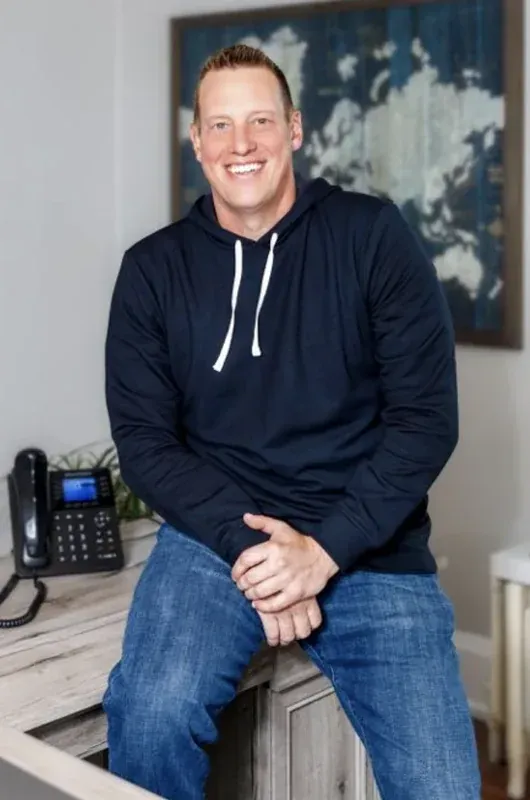
David Varrati
Owner, MVP Insurance
I started MVP Insurance with my childhood friend Josh because we wanted people in Northeast Ohio and Western Pennsylvania to have an agency that explains things plainly and picks up the phone. I studied Political Science at Slippery Rock University and have spent more than ten years helping families and individuals protect what matters to them. When I am not in the office, you will find me coaching youth sports.
Personal Insurance in Ohio & Pennsylvania
Coverage for your home, your car, and your family
Protect the everyday things that mean the most to you.
Homeowners Insurance
Your home is one of your most valuable assets. We compare carriers to protect the house, your belongings, and your liability.
Car Insurance
We proactively shop the market to find the best combination of coverage and price for every car in your driveway.
Renters Insurance
Own a condo or rent your home? We insure your unit, your belongings, and your personal liability at a fair rate.
Umbrella Insurance
Extra liability protection above your home and auto policies. Large coverage limits for a small added cost each year.
Life Insurance
Protect the people who rely on you most, so they can keep their home and lifestyle if the unexpected happens.
Flood Insurance
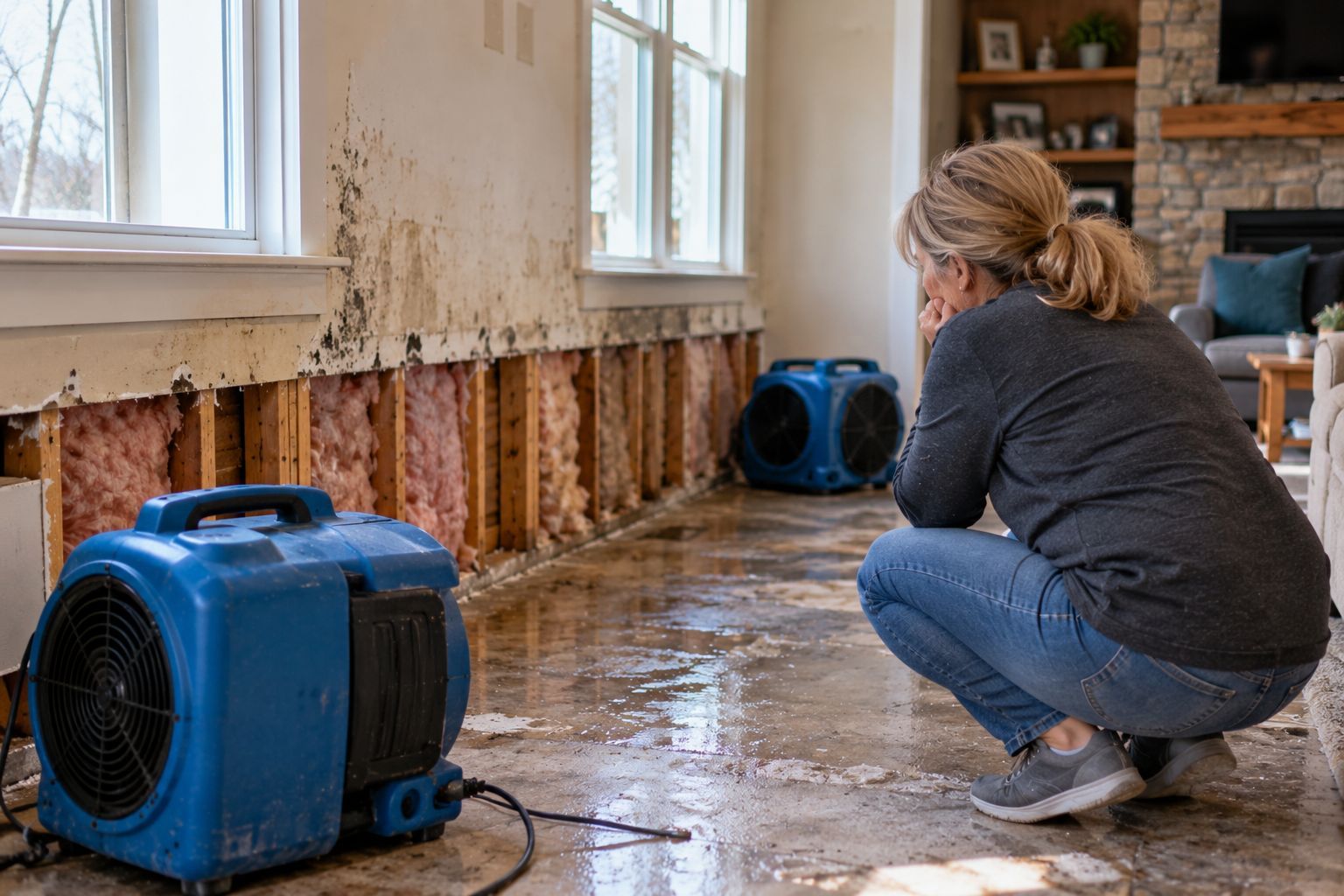
Standard home policies do not cover flooding. We help you add flood coverage through the NFIP or a private carrier before the water rises.
Business Insurance in Ohio & Pennsylvania
No matter how big or small your business, we protect it
Practical coverage for your people, your property, and the work you do.
General Liability
Business Owners Policy

Professional Liability
Commercial Property

Workers Compensation
Commercial Auto
Industries We Serve
Insurance built around the work you do
Every industry carries different risks. We know the coverage each one needs and shop the carriers that write it well.
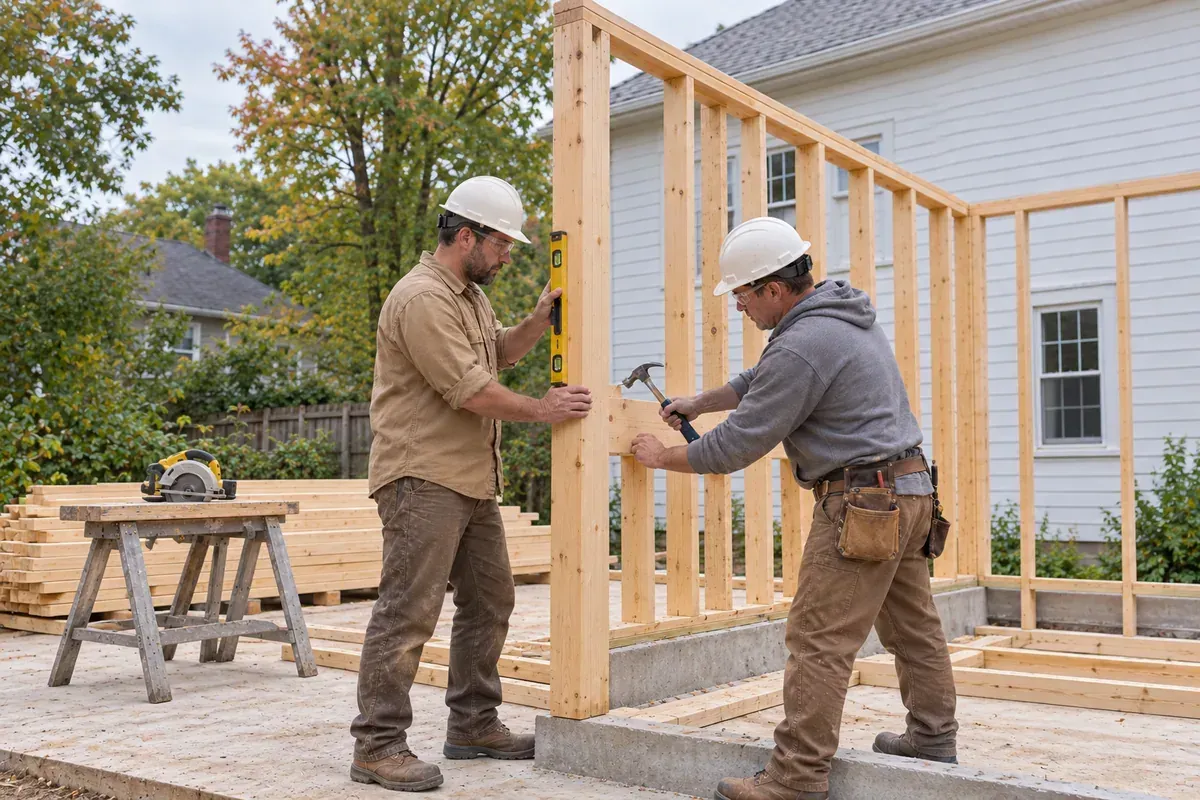
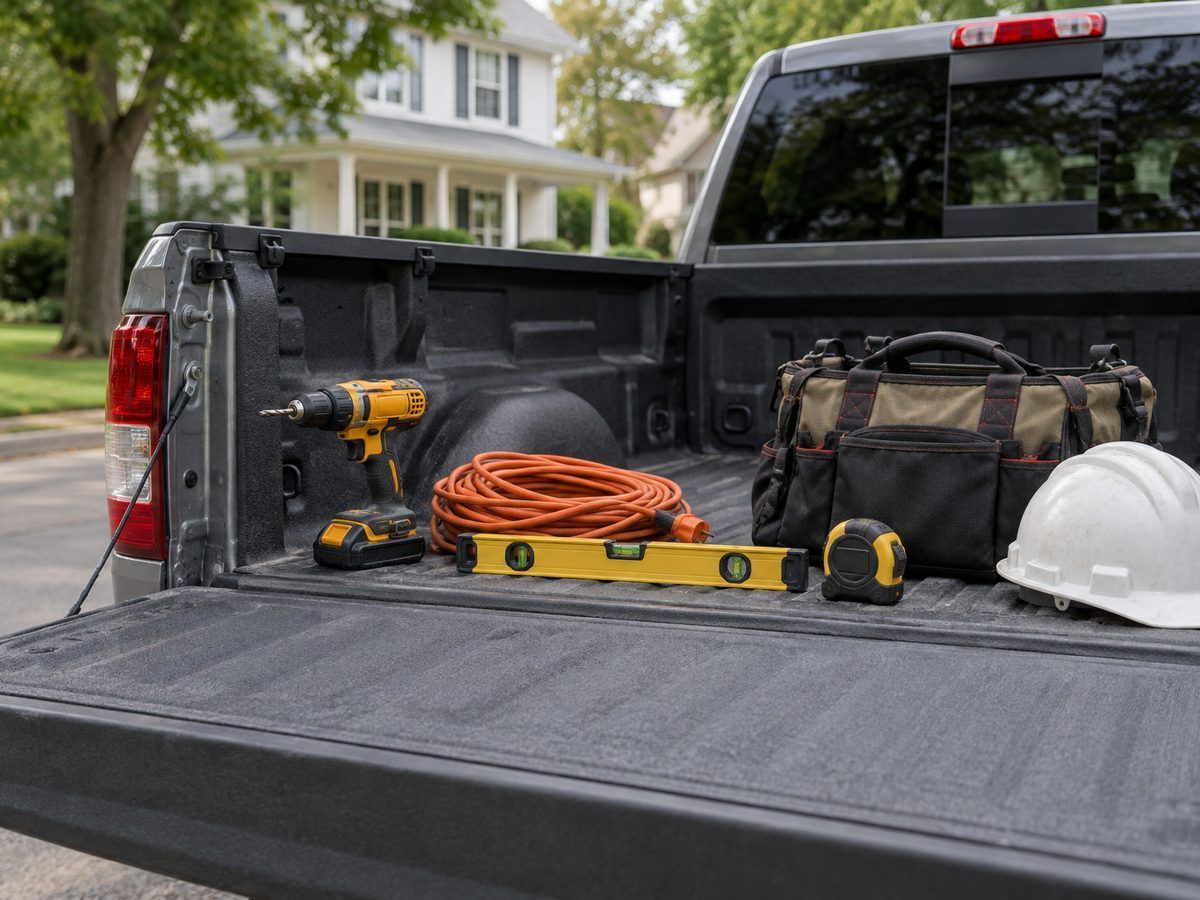
Contractors Insurance
General contractors, remodelers, roofers, and trade crews. We cover the liability, tools, vehicles, and workers your jobs depend on.

Plumber Insurance
Water damage claims follow plumbers everywhere. We cover your liability, your tools, your van, and your crew, job after job.

Restaurant Insurance
Kitchens, bars, and cafes face fire, spoilage, and slip risks. We package property, liability, and liquor coverage in one plan.
5-Star Rated on Google
What our clients say
Our clients say it best. Here is what they share about working with Josh, Dave, and the MVP team.
Contractors & Tradesmen
General contractors, roofers, electricians and plumbers. We cover liability, tools, vehicles and crews so every job stays protected.
Insurance Tips & News
Insurance tips for Ohio and Pennsylvania families and businesses
Practical ideas for protecting what matters to you.
Insurance Questions, Answered
Questions our clients ask
A little clarity can make your next step easier.
What does an independent insurance agency do?
An independent agency works with multiple insurance companies. We compare your options, explain the differences, and help you choose coverage that fits your needs.
Can MVP Insurance quote both my home and auto?
Yes. We can compare home and auto insurance options together. We explain available discounts and check how the policies work together.
Do you insure businesses in Ohio and Pennsylvania?
Yes. We help businesses in both states compare options for property, liability, employees, and commercial vehicles. The right policy depends on your work and the risks involved.
How do I import my current policy for a quote?
Use our Canopy policy import link to share your current policy information. Our team can then review your existing coverage and compare options with you.
How do I report a claim or make a payment?
Visit our Client Center for billing and claims information. You can also call either office for help finding the right carrier contact.
How often should I review my insurance?
Review your coverage each year and after a major change, such as a move, new vehicle, or business expansion. Tell us what changed so we can help you check your protection.


Covington office, Monday through Friday
Call
614 E. Boston St., Covington, LA 70433
58418 Tyler Drive, Slidell, LA 70461
Request Your Free Quote
Let's make insurance simple for you
Tell us what you need. We will help you explore your options.