

Owner, MVP Insurance
Pennsylvania surety bonds are three-party guarantees: you (the principal) promise to meet an obligation, a surety company backs that promise, and a township, project owner, court, or state agency (the obligee) gets paid if you fall short. Most Pennsylvania contractors, notaries, and fiduciaries will need at least one at some point.
The trouble is that bonding requirements are scattered. A township code officer asks for one bond, a general contractor's bid package asks for another, and an estate attorney mentions a probate bond almost as an afterthought. Each one has different rules, limits, and pricing logic. People often miss a project start date or a filing deadline simply because nobody told them which bond they needed.
This page replaces our old Bonds page and pulls everything into one place. It covers contractor license and permit bonds, bid and performance bonds, notary and court bonds, how pricing works, and how fast common bonds get issued. If you're a contractor in Butler County, a newly commissioned notary in Lawrence County, or an executor handling a parent's estate in Allegheny County, the sections below explain what to expect and where people usually trip up.
Understanding Pennsylvania Surety Bonds and How They Protect Your Business
A Pennsylvania surety bond is a three-party agreement that guarantees a contractual or legal obligation will be met. The surety backs your promise to the obligee, and you repay the surety for any valid claim. MVP Insurance has helped clients secure these bonds since 2008 from offices in Zelienople, PA and New Springfield, OH.
The detail that surprises most first-time buyers is that a surety bond is not insurance for you. A general liability policy protects your business when something goes wrong. A bond protects the township, the project owner, or the public. If the surety pays a claim because you abandoned a job or mishandled estate funds, the surety will come to you to get that money back, usually under an indemnity agreement you signed when the bond was issued.
That's why underwriters look at bonds more like a line of credit than a policy. They want to know whether you'll keep your promise. They also want to know whether you could pay them back if you didn't.
Here's how the three parties line up in a few common Pennsylvania situations:
- Contractor permit bond: You are the principal, the township is the obligee, and the surety guarantees you'll follow local building codes and ordinances.
- Performance bond: You are the principal, the project owner is the obligee, and the surety guarantees the job gets finished per contract.
- Notary bond: The notary is the principal, the Commonwealth and the public are protected, and the surety covers losses caused by notarial misconduct or errors.
- Probate bond: The executor or administrator is the principal, the court and estate beneficiaries are protected, and the surety guarantees honest handling of estate assets.
Founded by Josh Medure and David Varrati, MVP works as a 100% independent agency. We work for you, not for any single surety, so we can shop a bond request across multiple markets instead of forcing it into one company's appetite.


On this page
MVP Insurance is a local, independent agency, licensed to serve individuals and businesses across Ohio and Pennsylvania.
We serve clients from our offices in New Springfield and Zelienople and throughout Northeast Ohio and Western Pennsylvania, working with multiple carriers to help homeowners, drivers, renters and condo owners, landlords, contractors, restaurant owners, shop owners, auto repair shops, professional offices and many other personal and commercial clients find coverage that fits.
Written By
David Varrati
Owner, MVP Insurance
Owner, MVP Insurance
On this page
Umbrella
An umbrella policy adds liability protection above the limits on your home and auto policies. One serious accident can cost more than those limits, and the umbrella is what stands between the claim and your savings.
Contractor License and Permit Bonds for Pennsylvania Municipalities
Contractor license and permit bonds in Pennsylvania are set locally, which means the requirement changes from one township or borough to the next. There's no single statewide contractor license bond. Each municipality decides whether it wants a bond, how large it should be, and what it covers before issuing a license or permit.
This is the part that catches contractors off guard. A remodeler based in Cranberry Township might work in five or six municipalities in a single season. One may require a license bond with annual renewal. Another may want a permit bond tied to a specific job, such as road opening or sidewalk work. A third may require nothing at all. Showing up to pull a permit without the right bond can push a start date back days, and homeowners rarely take that well.
Common reasons a Pennsylvania municipality asks for a bond include:
- Licensing general contractors, plumbers, electricians, or HVAC contractors who work within township limits
- Right-of-way or street opening work that could damage public roads
- Sidewalk, curb, and driveway apron installation
- Demolition projects where the township wants assurance the site gets cleaned up
- Site improvement and grading work tied to land development approvals
Public work can carry its own thresholds as well. In Philadelphia, for example, a city ordinance raised the threshold for mandatory performance and payment bonds on public work contracts from $1,000 to $5,000. Smaller jurisdictions often have their own versions, and the numbers rarely match from place to place.
Some state agencies set their own bond requirements too. Businesses providing PennDOT messenger services, for instance, must maintain a $50,000 bond for the main office and $50,000 for each branch, capped at $250,000 total.
A bond alone rarely satisfies a township. Most also want a certificate of insurance showing general liability and, where you have employees, workers' compensation. We usually set these up together, so it helps to look at our contractors insurance options in Pennsylvaniaalongside your bond. If your operation goes beyond the trades, our broader Pennsylvania business insurance coveragecovers property, commercial auto, and umbrella needs that keep you compliant with larger clients.


Securing Bid and Performance Bonds for Public and Private Projects
Bid bonds guarantee that a contractor who wins a bid will actually sign the contract at the price submitted. Performance bonds guarantee that the contractor will complete the work according to the contract terms. Together, they give project owners confidence that the low bidder won't walk away or leave a half-built project behind.
Think about what a bid bond prevents. A contractor bids $480,000 on a school renovation, wins, then realizes the estimate missed a major mechanical cost. Without a bid bond, they could simply decline the job. With one, the surety may owe the owner the difference between that bid and the next-lowest bid, up to the bond amount. That's real money, and the surety will expect to recover it from the contractor.
Performance bonds come into play after the contract is signed. If a contractor defaults, the surety may finance completion, bring in a replacement contractor, or pay the owner up to the bond limit. Payment bonds often travel alongside performance bonds and protect subcontractors and suppliers who might otherwise file liens.
Underwriting for contract bonds goes much deeper than for a simple permit bond. For 2026, the "Three Cs" of Capital, Capacity, and Character remain the primary drivers of bonding capacity and pricing. In practice, that means a surety will want to see:
- Business and personal financial statements, often CPA-prepared for larger programs
- A work-in-progress schedule showing current jobs and their profitability
- Resumes and project history for key people
- Bank references and available credit lines
- Details on the specific job: contract amount, scope, duration, and owner
Carriers such as Westfield, Liberty Mutual, and Frederick Mutual are among the markets that write contractor and contract bond risks. Each has a different appetite for project size, trade, and financial profile. A small paving contractor and a mid-sized commercial builder may end up with very different sureties, and that's exactly where an independent agent earns their keep.
One mistake we see often: contractors wait until the bid deadline week to start the bonding process. Get prequalified before you need the bond, so your bid isn't riding on a last-minute underwriting review.
Pennsylvania Notary Bonds and Court Bond Requirements
Pennsylvania notaries must carry a surety bond before they can perform notarial acts, and court bonds such as probate and fiduciary bonds guarantee that people handling money for others do so honestly. Both protect the public rather than the person who buys the bond.
For years, Pennsylvania notaries were generally required to carry a $10,000 bond. As of this writing, that has changed: effective March 28, 2026, the mandatory notary bond increased from $10,000 to $25,000. The Department of State made the change to implement the Revised Uniform Law on Notarial Acts. The same round of updates requires notary stamps to include the notary's 7-digit commission identification number.
Timing matters here. A notary bond must be executed and recorded with the county Recorder of Deeds within 45 days of appointment, or the commission becomes null and void. We've seen new notaries get the bond, then let it sit in a drawer while the clock ran out. Record it right away.
Keep in mind the bond protects the public, not you. If a signer suffers a loss from a notarial error, the surety may pay and then seek repayment from the notary. That's why many notaries also carry errors and omissions coverage, a point covered well in this explanation of why Pennsylvania notaries need a bond to protect the public.
How court bonds work in PA proceedings
Court bonds fall into two broad families. Fiduciary bonds, including probate bonds, cover executors, administrators, guardians, and trustees. If an administrator mismanages or misappropriates estate funds, beneficiaries can recover through the bond. In Allegheny County, probate bonds are typically set at 125% of the estate's value, with an $8,000 minimum.
Judicial bonds cover litigation situations, such as appeal bonds, injunction bonds, and bail bonds. Pennsylvania regulates bail bond premiums at a standard rate of 10% of the bail amount. Courts often set tight deadlines for filing these, so having your paperwork ready before a hearing saves a lot of stress.
Written By
David Varrati
Owner, MVP Insurance
Owner, MVP Insurance
On this page
Commercial auto works best as one piece of a broader plan. When an employee is hurt in a crash while driving for work, workers' compensation usually responds to their injuries, while your auto policy handles injuries to others and vehicle damage. Make sure your Pennsylvania workers comp coverage and your auto policy are coordinated so nobody falls between them.
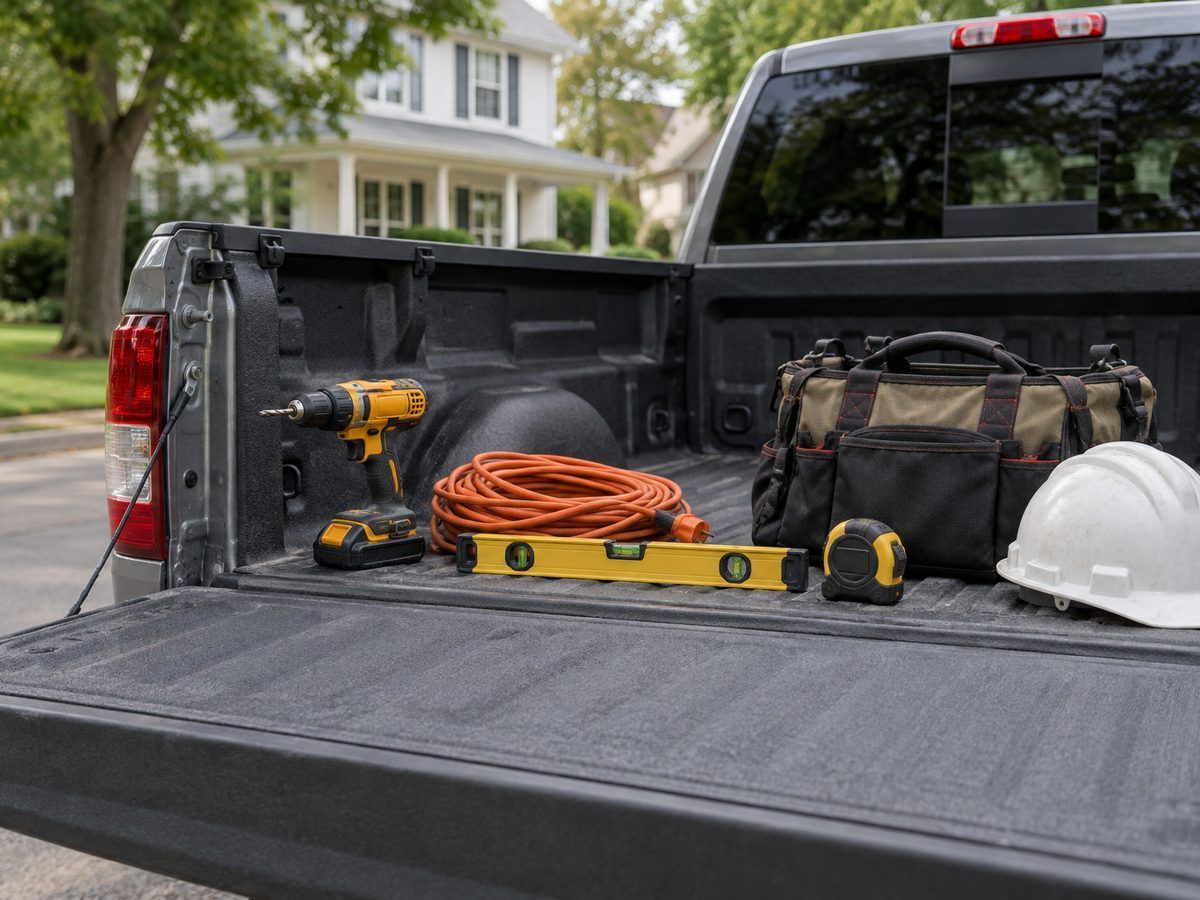
General liability, property, and inland marine coverage for tools round out the picture. A contractor's tools stolen from a truck bed may fall under inland marine rather than auto. Reviewing your Pennsylvania business insurance together with your auto policy is the most reliable way to spot those gaps.
Integrating Workers Comp and Business Insurance
How Bond Pricing Works and Factors That Influence Your Rate
Bond pricing is a percentage of the total bond amount, called the penal sum, and that percentage depends mainly on your credit and the type of bond. A low-risk notary or permit bond might carry a small flat premium. A large performance bond priced on financial statements can vary significantly from one contractor to the next.
For Pennsylvania contractor license bonds, applicants with strong credit typically pay between 1% and 3% of the bond's penal sum. So on a hypothetical $10,000 license bond, a contractor with solid credit might pay somewhere around $100 to $300 for the term. Weaker credit, recent collections, or a prior bond claim pushes that percentage higher, and some sureties will decline outright.
Here's what underwriters weigh most often:
- Credit history: The biggest single factor for small commercial and license bonds.
- Bond type: Notary and many permit bonds carry less risk than performance or court bonds.
- Bond amount: Higher limits mean higher premiums, though the rate may drop as volume grows.
- Financial strength: Working capital, net worth, and cash flow drive contract bond pricing.
- Experience and claims history: Years in business and past claims both show up in the rate.
- Indemnity: Personal guarantees from owners, and sometimes spouses, are standard.
Pricing on court bonds follows similar logic, but the court sets the bond amount, not you. An administrator handling a $300,000 estate in Allegheny County faces a much larger bond than one handling a modest estate, and their personal credit will shape the premium.
Common Surety Bond Limits and Requirements
| Bond Type | Typical Limit | Who Sets It | Standard Term |
|---|---|---|---|
| PA notary bond | $25,000 (as of March 28, 2026) | PA Department of State | Matches notary commission |
| Municipal license or permit bond | Varies by township | Local municipality | Annual or per project |
| PennDOT messenger bond | $50,000 per office, $250,000 cap | PennDOT | Continuous while licensed |
| Bid bond | Percentage of bid set by owner | Project owner | Bid period |
| Performance and payment bonds | Often full contract value | Project owner or statute | Project duration plus warranty |
| Probate bond (Allegheny Co.) | 125% of estate, $8,000 minimum | County court | Until estate is settled |
| Bail bond | Set by court; premium 10% | Court | Until case resolves |
Turnaround on Common Bonds and How to Apply
Many common bonds can be issued quickly, often the same business day, once the application is complete. Notary bonds and most municipal permit and license bonds fall into this category. Contract bonds and larger court bonds take longer because they require financial review.
Carriers such as Erie, Progressive, and NEXT handle a range of commercial needs, and many standard bond markets use instant or near-instant approval for low-limit bonds. Where a bond needs a closer look, timelines stretch. A first-time performance bond with full financial underwriting may take several days to a couple of weeks, depending on how organized your financials are.
What slows things down is almost always missing information. Here's the process that tends to move fastest:
- Get the exact requirement. Ask the obligee for the bond form, amount, and obligee name. Townships often have their own form.
- Send owner details. Legal business name, address, ownership percentages, and Social Security numbers for credit review.
- Add financials if needed. Contract and larger court bonds need statements; permit bonds usually don't.
- Review and sign. You'll sign the indemnity agreement and pay the premium.
- Deliver and file. Some bonds go to the township, some to the court, and notary bonds go to the Recorder of Deeds.
Our technology-driven process lets you send documents and sign electronically, which shaves time off routine requests. Still, the earlier you start, the more options we can shop for you. For a bid bond on a project closing Friday, call us Monday, not Thursday afternoon.
Ready to get started? Reach either office directly:
- Zelienople, PA: 108 E Grandview Ave, Zelienople, PA 16063 | (724) 453-1122
- New Springfield, OH: 13823 Grant St, New Springfield, OH 44443 | (330) 707-9055
Written By
David Varrati
Owner, MVP Insurance
Owner, MVP Insurance
On this page
Commercial auto works best as one piece of a broader plan. When an employee is hurt in a crash while driving for work, workers' compensation usually responds to their injuries, while your auto policy handles injuries to others and vehicle damage. Make sure your Pennsylvania workers comp coverage and your auto policy are coordinated so nobody falls between them.
General liability, property, and inland marine coverage for tools round out the picture. A contractor's tools stolen from a truck bed may fall under inland marine rather than auto. Reviewing your Pennsylvania business insurance together with your auto policy is the most reliable way to spot those gaps.
Integrating Workers Comp and Business Insurance
Frequently Asked Questions About Pennsylvania Surety Bonds
These quick answers cover the questions people ask us most about bonding in Pennsylvania.
What is a surety bond?A surety bond is a three-party guarantee that you'll fulfill an obligation, like following township codes or finishing a project. If you don't, the surety pays the injured party and you repay the surety.
How much does a notary bond cost in Pennsylvania?Notary bonds are among the lower-cost bonds because the risk is modest, though the price depends on the surety. Keep in mind the required amount rose from $10,000 to $25,000 as of March 28, 2026, so older quotes may no longer apply.
How long does it take to get a permit bond?Most municipal permit and license bonds can be issued the same business day once we have your information. Larger or unusual bonds may take a few days.
Do I need a bond for every township I work in?Often, yes. Municipal permit bonds vary by township across Pennsylvania, so check with each municipality before pulling a permit.
Can I get a bond with bad credit? Many bonds are still available with weaker credit, but the premium percentage will be higher. Larger contract bonds may require stronger financials or collateral.
Is a surety bond the same as liability insurance? No. A bond protects the obligee and requires you to repay claims, while liability insurance protects your business from covered losses.
Bonds don't have to slow your business down. The contractors, notaries, and executors who have the easiest time are the ones who learn the requirement early, gather their paperwork, and work with an agent who can compare several sureties instead of one. Know which bond the obligee actually wants, watch filing deadlines like the 45-day notary window, and keep your credit and financials in decent shape so pricing stays reasonable.
If a bond request is sitting on your desk right now, let us take it off your plate. MVP Insurance shops multiple markets on your behalf from our offices in Zelienople, PA and New Springfield, OH, and we'll pair your bond with the right insurance so you're ready to work. Start your quotetoday and get bonded without the guesswork.
MVP Insurance is licensed in Ohio (license #37714) and Pennsylvania (license #519263), NPN 10588293.
MVP Insurance is a local, independent agency, licensed to serve individuals and businesses across Ohio and Pennsylvania.
We serve clients from our offices in New Springfield, Ohio and Zelienople, Pennsylvania and throughout Northeast Ohio and Western Pennsylvania, working with multiple carriers to help contractors, landlords and real estate investors, restaurants, retail shops, auto repair shops, professional offices and many other personal and commercial clients find coverage that fits.
Our Owners
Two friends who started an agency
Owner
Joshua Medure
I am a Penn State marketing graduate with more than ten years in insurance. My childhood friend David and I started MVP Insurance in Northeast Ohio because we wanted the people around us to have an agency that gives honest advice, real choices and someone who picks up the phone. I lead the agency’s insurance strategy, which means I read the policies so our clients do not have to. Away from the office, I coach youth football.

About the Author
Joshua Medure
Owner, MVP Insurance
I am a Penn State marketing graduate with more than ten years in insurance. My childhood friend David and I started MVP Insurance in Northeast Ohio because we wanted the people around us to have an agency that gives honest advice, real choices and someone who picks up the phone. I lead the agency’s insurance strategy, which means I read the policies so our clients do not have to. Away from the office, I coach youth football.
Personal Insurance in Ohio & Pennsylvania
Coverage for your home, your car, and your family
Protect the everyday things that mean the most to you.
Homeowners Insurance
Your home is one of your most valuable assets. We compare carriers to protect the house, your belongings, and your liability.
Car Insurance
We proactively shop the market to find the best combination of coverage and price for every car in your driveway.
Renters Insurance
Own a condo or rent your home? We insure your unit, your belongings, and your personal liability at a fair rate.
Umbrella Insurance
Extra liability protection above your home and auto policies. Large coverage limits for a small added cost each year.
Life Insurance
Protect the people who rely on you most, so they can keep their home and lifestyle if the unexpected happens.
Flood Insurance
Standard home policies do not cover flooding. We help you add flood coverage through the NFIP or a private carrier before the water rises.
Business Insurance in Ohio & Pennsylvania
No matter how big or small your business, we protect it
Practical coverage for your people, your property, and the work you do.
General Liability
Business Owners Policy

Professional Liability
Commercial Property

Workers Compensation

Commercial Auto
Industries We Serve
Insurance built around the work you do
Every industry carries different risks. We know the coverage each one needs and shop the carriers that write it well.
Contractors Insurance
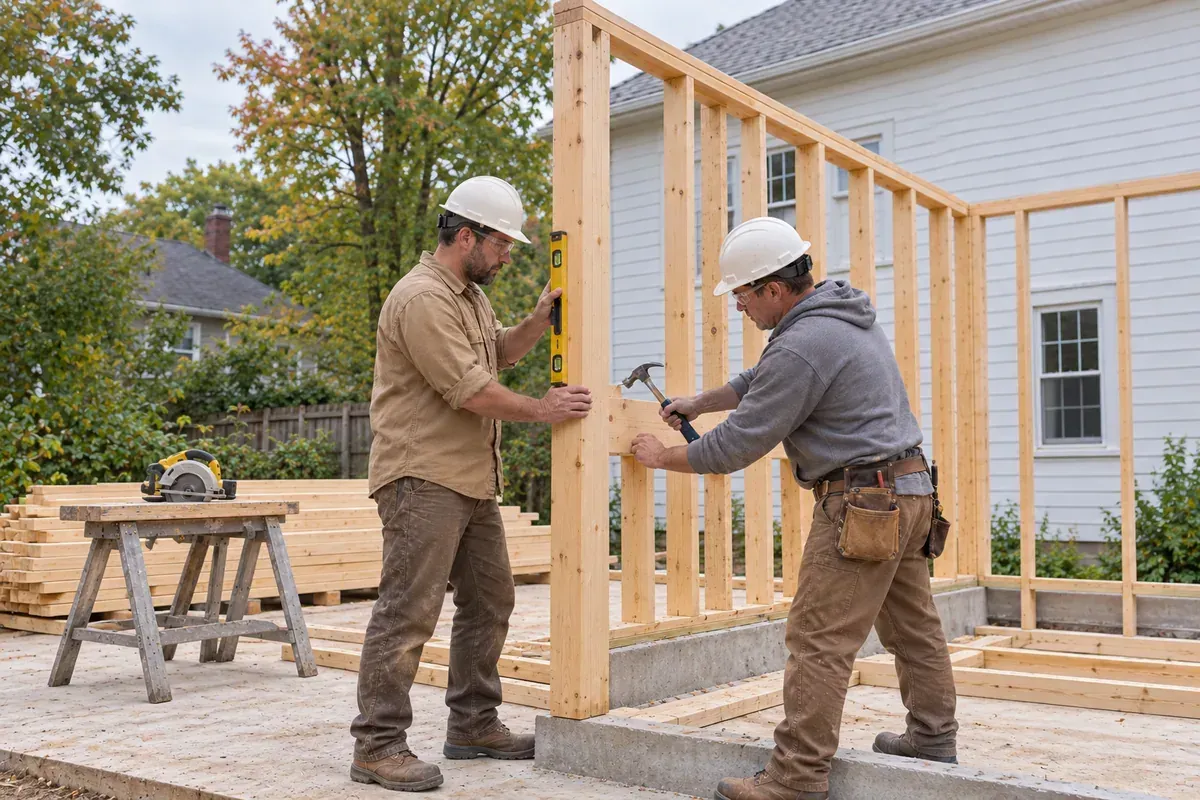
General contractors, remodelers, roofers, and trade crews. We cover the liability, tools, vehicles, and workers your jobs depend on.

Plumber Insurance
Water damage claims follow plumbers everywhere. We cover your liability, your tools, your van, and your crew, job after job.

Restaurant Insurance
Kitchens, bars, and cafes face fire, spoilage, and slip risks. We package property, liability, and liquor coverage in one plan.
5-Star Rated on Google
What our clients say
Our clients say it best. Here is what they share about working with Josh, Dave, and the MVP team.
Contractors & Tradesmen
General contractors, roofers, electricians and plumbers. We cover liability, tools, vehicles and crews so every job stays protected.
Insurance Tips & News
Insurance tips for Ohio and Pennsylvania families and businesses
Practical ideas for protecting what matters to you.



Insurance Questions, Answered
Questions our clients ask
A little clarity can make your next step easier.
What does an independent insurance agency do?
An independent agency works with multiple insurance companies. We compare your options, explain the differences, and help you choose coverage that fits your needs.
Can MVP Insurance quote both my home and auto?
Yes. We can compare home and auto insurance options together. We explain available discounts and check how the policies work together.
Do you insure businesses in Ohio and Pennsylvania?
Yes. We help businesses in both states compare options for property, liability, employees, and commercial vehicles. The right policy depends on your work and the risks involved.
How do I import my current policy for a quote?
Use our Canopy policy import link to share your current policy information. Our team can then review your existing coverage and compare options with you.
How do I report a claim or make a payment?
Visit our Client Center for billing and claims information. You can also call either office for help finding the right carrier contact.
How often should I review my insurance?
Review your coverage each year and after a major change, such as a move, new vehicle, or business expansion. Tell us what changed so we can help you check your protection.


Covington office, Monday through Friday
Call
614 E. Boston St., Covington, LA 70433
58418 Tyler Drive, Slidell, LA 70461
Request Your Free Quote
Let's make insurance simple for you
Tell us what you need. We will help you explore your options.