
Owner, MVP Insurance
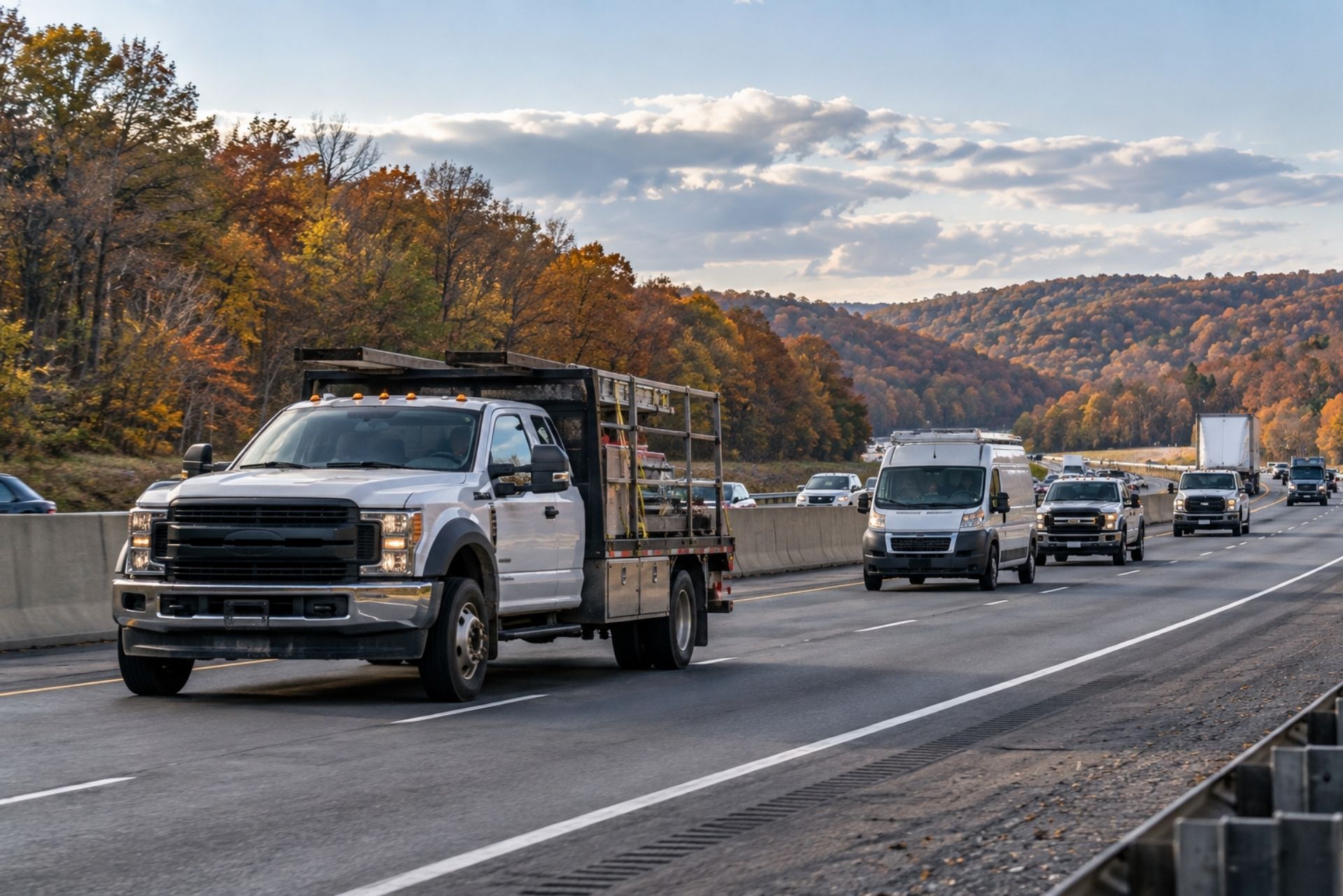
A personal auto policy in Pennsylvania usually stops covering a vehicle once it's used for work beyond the daily commute. If you haul equipment, make deliveries, carry clients, or send employees on errands in their own cars, you need Pennsylvania commercial auto insurance. Without it, a single claim can land on your business.
Most business owners don't find this out from a brochure. They find out from a claims adjuster asking how the vehicle was being used at the time of the accident. A contractor in Cranberry Township rear-ends someone on Route 19 with a ladder rack full of materials. A bookkeeper in Beaver County drops off client files on the way home. Both feel like ordinary drives, and both can trigger a coverage denial on a personal policy.
The rest of this guide covers where the personal policy line falls, how hired and non-owned auto coverage protects you when employees drive their own cars, how fleets and driver records shape your premium, and why time on the Turnpike and I-79 matters for your limits.
Understanding Pennsylvania Commercial Auto Insurance Requirements
Pennsylvania commercial auto insurance pays for liability and property damage involving vehicles used in business operations. Personal policies typically exclude that use. It covers injuries and damage your vehicle causes to others, and it can also cover damage to your own work vehicles, cargo considerations, and medical benefits for occupants.
A commercial policy is built around how a business operates. The insurer wants to know who drives, what the vehicles carry, how far they travel, and whether they're titled to the business or to an individual. A personal policy assumes a household driving to work, school, and the grocery store. Commercial underwriting assumes a vehicle earning money, often driven by more than one person, and often carrying tools or inventory worth more than the truck itself.
Pennsylvania also requires first-party medical benefits on registered vehicles, and commercial policies follow the state's financial responsibility rules just like personal ones. Contracts usually push the requirements further. General contractors, municipalities, and large commercial clients often require higher liability limits and want to be named as additional insureds before you can set foot on a job site.
MVP Insurance helps Western Pennsylvania businesses from our Zelienople office and serves clients across the state line from New Springfield, Ohio. As an independent agency, we compare commercial auto quotes from multiple carriers. That matters because carriers price trades, vehicle types, and radius of operation very differently.
On this page
MVP Insurance is a local, independent agency, licensed to serve individuals and businesses across Ohio and Pennsylvania.
We serve clients from our offices in New Springfield and Zelienople and throughout Northeast Ohio and Western Pennsylvania, working with multiple carriers to help homeowners, drivers, renters and condo owners, landlords, contractors, restaurant owners, shop owners, auto repair shops, professional offices and many other personal and commercial clients find coverage that fits.
Written By
David Varrati
Owner, MVP Insurance
Owner, MVP Insurance
On this page
Umbrella
An umbrella policy adds liability protection above the limits on your home and auto policies. One serious accident can cost more than those limits, and the umbrella is what stands between the claim and your savings.
When a Personal Policy Stops Covering Work Vehicles
Personal auto policies usually cover driving to and from a regular workplace and very little beyond that. Once a vehicle is used for deliveries, hauling equipment, or transporting clients, it generally needs a commercial policy to be properly covered.
The exclusion language varies by carrier, but the pattern is consistent. Many personal policies exclude vehicles "used in the business" of the insured, vehicles carrying goods or people for a fee, and certain vehicle types such as large pickups with commercial equipment. Some carriers allow occasional business errands. Others draw a hard line. You won't know which one you have until you read the policy or file a claim.
Here are the situations we see cause trouble most often:
- Contractors and tradespeople driving a personal truck with tools, a trailer, or materials to job sites
- Delivery work, including food, parts, or packages, even part time
- Real estate agents and home care workers who regularly drive clients or patients
- Sales reps logging heavy mileage between accounts in a personally owned vehicle
- Vehicles titled to the business but insured on someone's personal policy
That last one causes more denied claims than people expect. If your LLC owns the truck and the policy lists you personally, the insured party and the owner don't match. Fixing it after an accident is nearly impossible.
A common mistake is assuming that light business use is fine because "everyone does it." The question isn't how often. It's whether the policy language excludes the activity you were doing at that moment. If you're unsure, tell your agent exactly how the vehicle is used. An honest description up front costs far less than a denied claim later.

Hired and Non-Owned Auto Insurance for Employees
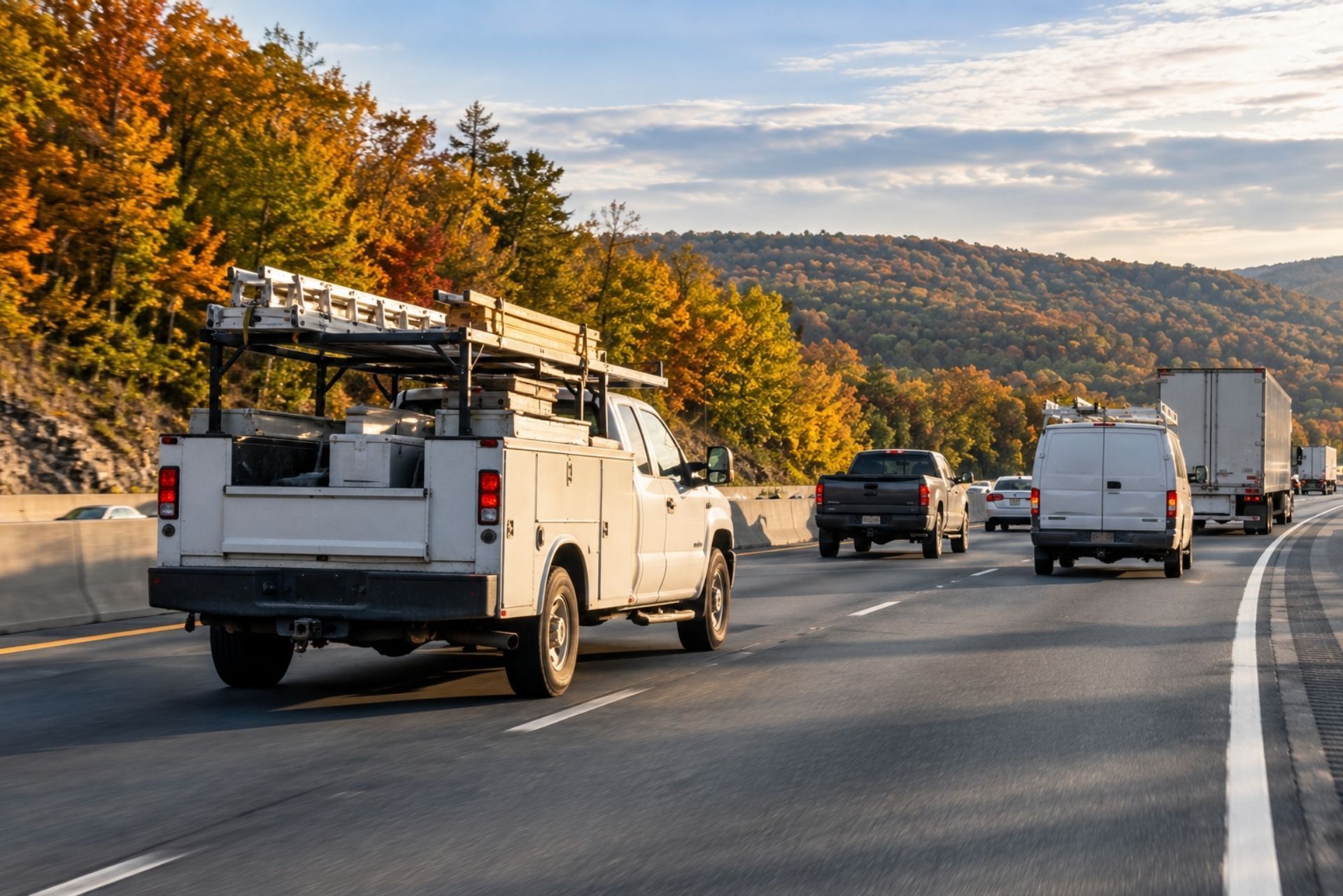
Hired and non-owned auto coverage, usually called HNOA, protects your business when employees drive their own cars, or rented vehicles, for company work. If an employee causes an accident while running a work errand, HNOA covers the business's liability. It's a standard commercial option in Pennsylvania, and plenty of businesses with no company vehicles still need it.
Here's how it plays out. Your office manager drives her own SUV to the bank to make a deposit and runs a red light in Butler. Her personal auto policy responds first. If the injuries are serious, though, the injured party's attorney will also name your business, because she was working when it happened. Her personal limits may run out quickly, and her policy doesn't defend your company. HNOA fills that gap.
The "hired" part covers vehicles you rent, lease short term, or borrow. Think of a rental car for a trade show in Harrisburg or a box truck rented for one weekend move. The "non-owned" part covers vehicles owned by employees, partners, or volunteers used on your behalf.
A few nuances matter:
- HNOA is liability coverage. It doesn't repair the employee's car.
- It usually sits in excess of the employee's personal policy, so those personal limits still matter.
- It can often be added to a commercial auto policy or packaged with general liability. That makes it an inexpensive addition for many small offices.
If anyone on your payroll drives for work even occasionally, including picking up lunch for a client meeting, this coverage belongs on your list.
Managing Fleet Coverage for Multiple Vehicles
Fleet coverage puts all your business vehicles on one commercial auto policy. You get consistent limits, one renewal date, and simpler administration than juggling separate policies. Carriers define "fleet" differently, and some apply fleet rating at as few as five vehicles. The administrative benefits start as soon as you have two or three.
The biggest practical advantage is consistency. When a landscaping company has six trucks on three different policies from three different years, the limits rarely match. One truck carries high liability, another carries the state minimum, and a third has no physical damage coverage because someone dropped it to save money years ago. A fleet policy fixes that by setting one standard for every unit.
Fleet policies also make it easier to handle real-world changes:
- Adding a vehicle midterm. Many fleet policies include automatic coverage for newly acquired vehicles for a short reporting window. Confirm how long that window is on your policy.
- Scheduling drivers. You maintain one driver list, which makes approving or removing drivers cleaner.
- Symbol selection. Commercial policies use "covered auto symbols" to define which vehicles are covered. The right symbol can cover any auto, owned autos only, or specifically listed autos. Choosing the wrong one leaves gaps.
- Equipment and upfits. Plows, lift gates, and ladder racks need to be declared, or they may not be covered at full value.
Owners of growing businesses often add trucks one at a time and never step back to look at the whole picture. A fleet review every year or two, or whenever you add vehicles, catches mismatched limits before a claim exposes them.
The Impact of Driver Records on Commercial Premiums
Your drivers' records are one of the largest factors in what you pay for commercial auto coverage. Carriers pull a Motor Vehicle Report (MVR) on every listed driver. Violations, at-fault accidents, and license suspensions raise premiums, and they can make a driver uninsurable on your policy.
Underwriters look closely at the last three to five years. A single minor speeding ticket rarely changes much. A DUI, a reckless driving conviction, or several at-fault accidents can lead a carrier to exclude that driver or decline the account entirely. One bad record can raise the cost for the whole business.
The businesses that keep their costs stable treat driver records as an ongoing safety practice. A single check at hiring isn't enough. Here's what that looks like day to day:
- Pull an MVR before anyone drives for you, and check that they hold the right license class.
- Re-check records every year, or more often for high-mileage drivers.
- Write down a driver policy that says which violations disqualify someone from driving company vehicles.
- Tell your agent before adding a new driver, not after they've been driving for three months.
- Stop "informal" drivers, like the nephew who helps out in summer, unless they're approved and listed.
That last point matters. Unlisted drivers with poor records are a classic source of claim disputes. When a carrier finds out a driver with a suspended license was behind the wheel, you face a messy claim and a hard renewal. A clean, documented driver program gives your agent something concrete to show underwriters when shopping your account.
Turnpike and I-79 Commuter Exposure in Western PA
Regular travel on the Pennsylvania Turnpike and I-79 raises your claim exposure. These corridors carry heavy truck volume and high speeds, and they get harsh winter weather. More miles in that environment raise the statistical chance of a serious accident, so businesses that use these routes daily should carry strong liability limits, not bare minimums.
Some trends work in drivers' favor. Pennsylvania traffic fatalities fell to 1,047 in 2025, the lowest number recorded since 1928. Still, lower fatality counts don't change the math of a multi-vehicle pileup involving a tractor-trailer. Those claims can exceed basic limits fast.
The Turnpike itself has changed. It has moved to Open Road Tolling with overhead gantries in place of toll booths. The new gantries are designed to keep traffic moving without slowing for toll collection. That improves flow, but it also means sustained highway speeds through stretches where drivers used to brake. Commercial operators should also know the Turnpike now uses an Axle/Height classification system for vehicles rather than weight-based categories. That's worth reviewing if you run trucks with trailers.
I-79 brings its own winter risks. PennDOT has expanded variable speed limit and automated warning corridors on I-79, particularly in Erie County, to deal with whiteout conditions. State officials have also released winter preparation guidance for Pennsylvania drivers for the 2026 season. If your crews commute from Zelienople to Erie or run Turnpike routes toward Harrisburg, raise your limits, consider an umbrella, and train drivers on these warning systems.
Written By
David Varrati
Owner, MVP Insurance
Owner, MVP Insurance
On this page
MVP Insurance is a local, independent agency, licensed to serve individuals and businesses across Ohio and Pennsylvania.
We serve clients from our offices in New Springfield, Ohio and Zelienople, Pennsylvania and throughout Northeast Ohio and Western Pennsylvania, working with multiple carriers to help contractors, landlords and real estate investors, restaurants, retail shops, auto repair shops, professional offices and many other personal and commercial clients find coverage that fits.
| Coverage | What It Covers | Who Needs It | Limit Guidance |
|---|---|---|---|
| Auto Liability | Injuries and damage you cause to others | Every business vehicle | State minimum required; contracts often demand much more |
| First-Party Medical Benefits | Medical bills for occupants | Required on PA-registered vehicles | Higher options available |
| Collision | Damage to your vehicle in a crash | Financed, leased, or valuable vehicles | Based on vehicle value and deductible |
| Comprehensive | Theft, weather, deer strikes | Most owned vehicles | Based on vehicle value |
| Uninsured/Underinsured Motorist | Your injuries caused by drivers without enough insurance | Strongly recommended | Often matched to liability |
| Hired and Non-Owned Auto | Business liability for employee and rented cars | Any business whose staff drives for work | Usually matched to liability |
| Commercial Umbrella | Extra liability above auto limits | High-mileage, Turnpike or I-79 heavy operations | Added in layers |
Auto
Comparing Pennsylvania Commercial Auto Coverage Options
Most businesses need commercial liability at minimum. HNOA is added when employees drive their own cars, and physical damage coverage is added for vehicles you'd need to repair or replace. The table below lays out the main options in plain terms. Specific limits and pricing depend on your carrier and operations, so treat it as a starting point for a conversation, not a quote.
| Coverage | What It Covers | Who Needs It | Limit Guidance |
|---|---|---|---|
| Auto Liability | Injuries and damage you cause to others | Every business vehicle | State minimum required; contracts often demand much more |
| First-Party Medical Benefits | Medical bills for occupants | Required on PA-registered vehicles | Higher options available |
| Collision | Damage to your vehicle in a crash | Financed, leased, or valuable vehicles | Based on vehicle value and deductible |
| Comprehensive | Theft, weather, deer strikes | Most owned vehicles | Based on vehicle value |
| Uninsured/Underinsured Motorist | Your injuries caused by drivers without enough insurance | Strongly recommended | Often matched to liability |
| Hired and Non-Owned Auto | Business liability for employee and rented cars | Any business whose staff drives for work | Usually matched to liability |
| Commercial Umbrella | Extra liability above auto limits | High-mileage, Turnpike or I-79 heavy operations | Added in layers |
Deer strikes deserve a mention for Western PA. They're one of the most frequent comprehensive claims we hear about, and businesses that drop comprehensive on older trucks sometimes regret it after one encounter on a rural route.
Integrating Workers Comp and Business Insurance
Commercial auto works best as one piece of a broader plan. When an employee is hurt in a crash while driving for work, workers' compensation usually responds to their injuries, while your auto policy handles injuries to others and vehicle damage. Make sure your Pennsylvania workers comp coverageand your auto policy are coordinated so nobody falls between them.
General liability, property, and inland marine coverage for tools round out the picture. A contractor's tools stolen from a truck bed may fall under inland marine rather than auto. Reviewing your Pennsylvania business insurancetogether with your auto policy is the most reliable way to spot those gaps.
Common Questions About PA Commercial Auto Insurance
How much does commercial auto insurance cost in Pennsylvania? It depends on your vehicles, drivers, industry, mileage, and limits. A clean-record contractor with one pickup pays very differently than a delivery fleet, so comparing quotes across carriers is the only reliable way to know.
Do I need commercial auto if I use my personal car for work? If you only commute, usually not. If you make deliveries, haul equipment, transport clients, or the vehicle is titled to your business, you likely do.
Am I liable if my employee crashes their own car on a work errand? Yes, your business can be named in the lawsuit. Hired and non-owned auto coverage protects the business in that situation.
Does my employee's personal insurance cover them while working? Often it responds first, but it may exclude certain business use and won't defend your company. That's why businesses add HNOA.
Can a driver with tickets drive my company truck? Possibly, depending on the violations and your carrier. Serious violations can lead to that driver being excluded or to higher premiums for the whole policy.
Should I carry more than the state minimum? For most businesses, yes. Minimum limits rarely cover a serious highway accident, and many contracts require higher limits anyway.
Written By
David Varrati
Owner, MVP Insurance
Owner, MVP Insurance
On this page
| Coverage | What It Covers | Who Needs It | Limit Guidance |
|---|---|---|---|
| Auto Liability | Injuries and damage you cause to others | Every business vehicle | State minimum required; contracts often demand much more |
| First-Party Medical Benefits | Medical bills for occupants | Required on PA-registered vehicles | Higher options available |
| Collision | Damage to your vehicle in a crash | Financed, leased, or valuable vehicles | Based on vehicle value and deductible |
| Comprehensive | Theft, weather, deer strikes | Most owned vehicles | Based on vehicle value |
| Uninsured/Underinsured Motorist | Your injuries caused by drivers without enough insurance | Strongly recommended | Often matched to liability |
| Hired and Non-Owned Auto | Business liability for employee and rented cars | Any business whose staff drives for work | Usually matched to liability |
| Commercial Umbrella | Extra liability above auto limits | High-mileage, Turnpike or I-79 heavy operations | Added in layers |
Auto
Selecting a Policy with MVP Insurance
Good commercial auto coverage starts with an honest account of how your vehicles are actually used. Who drives, what they carry, and which roads they travel all count, including those daily runs up I-79 or across the Turnpike. Get that right, coordinate it with workers' comp and your other business coverage, keep your driver records clean, and you'll avoid the gaps that sink most auto claims.
MVP Insurance was founded in 2008 by Josh Medure and David Varrati. As an independent agency, we work for you, not the carrier, and shop multiple markets so you don't have to. For a policy review, reach Josh or David at our Zelienople office, 108 E Grandview Ave, Zelienople, PA 16063, (724) 453-1122. You can also call our New Springfield office at 13823 Grant St, New Springfield, OH 44443, (330) 707-9055. MVP Insurance holds Ohio license #37714 and Pennsylvania license #519263, NPN 10588293.
If your work vehicles are still on a personal policy, or you've never asked about HNOA, now is a good time to look.
Start your quoteand we'll compare options built around how your business really drives.
MVP Insurance is a local, independent agency, licensed to serve individuals and businesses across Ohio and Pennsylvania.
We serve clients from our offices in New Springfield, Ohio and Zelienople, Pennsylvania and throughout Northeast Ohio and Western Pennsylvania, working with multiple carriers to help contractors, landlords and real estate investors, restaurants, retail shops, auto repair shops, professional offices and many other personal and commercial clients find coverage that fits.
Our Owners
Two friends who started an agency
Owner
Joshua Medure
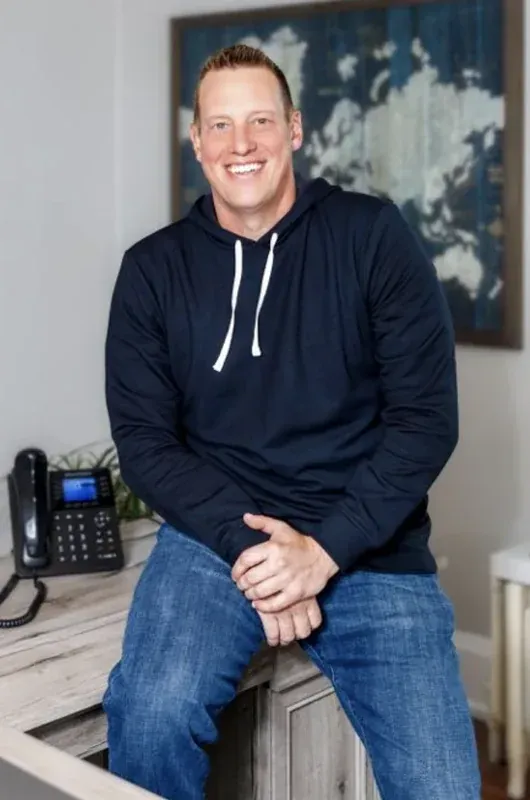
I am a Penn State marketing graduate with more than ten years in insurance. My childhood friend David and I started MVP Insurance in Northeast Ohio because we wanted the people around us to have an agency that gives honest advice, real choices and someone who picks up the phone. I lead the agency’s insurance strategy, which means I read the policies so our clients do not have to. Away from the office, I coach youth football.
About the Author
Joshua Medure
Owner, MVP Insurance
I am a Penn State marketing graduate with more than ten years in insurance. My childhood friend David and I started MVP Insurance in Northeast Ohio because we wanted the people around us to have an agency that gives honest advice, real choices and someone who picks up the phone. I lead the agency’s insurance strategy, which means I read the policies so our clients do not have to. Away from the office, I coach youth football.
Personal Insurance in Ohio & Pennsylvania
Coverage for your home, your car, and your family
Protect the everyday things that mean the most to you.
Homeowners Insurance
Your home is one of your most valuable assets. We compare carriers to protect the house, your belongings, and your liability.
Car Insurance
We proactively shop the market to find the best combination of coverage and price for every car in your driveway.
Renters Insurance
Own a condo or rent your home? We insure your unit, your belongings, and your personal liability at a fair rate.
Umbrella Insurance
Extra liability protection above your home and auto policies. Large coverage limits for a small added cost each year.
Life Insurance
Protect the people who rely on you most, so they can keep their home and lifestyle if the unexpected happens.
Flood Insurance
Standard home policies do not cover flooding. We help you add flood coverage through the NFIP or a private carrier before the water rises.
Business Insurance in Ohio & Pennsylvania
No matter how big or small your business, we protect it
Practical coverage for your people, your property, and the work you do.
General Liability
Business Owners Policy

Professional Liability
Commercial Property

Workers Compensation
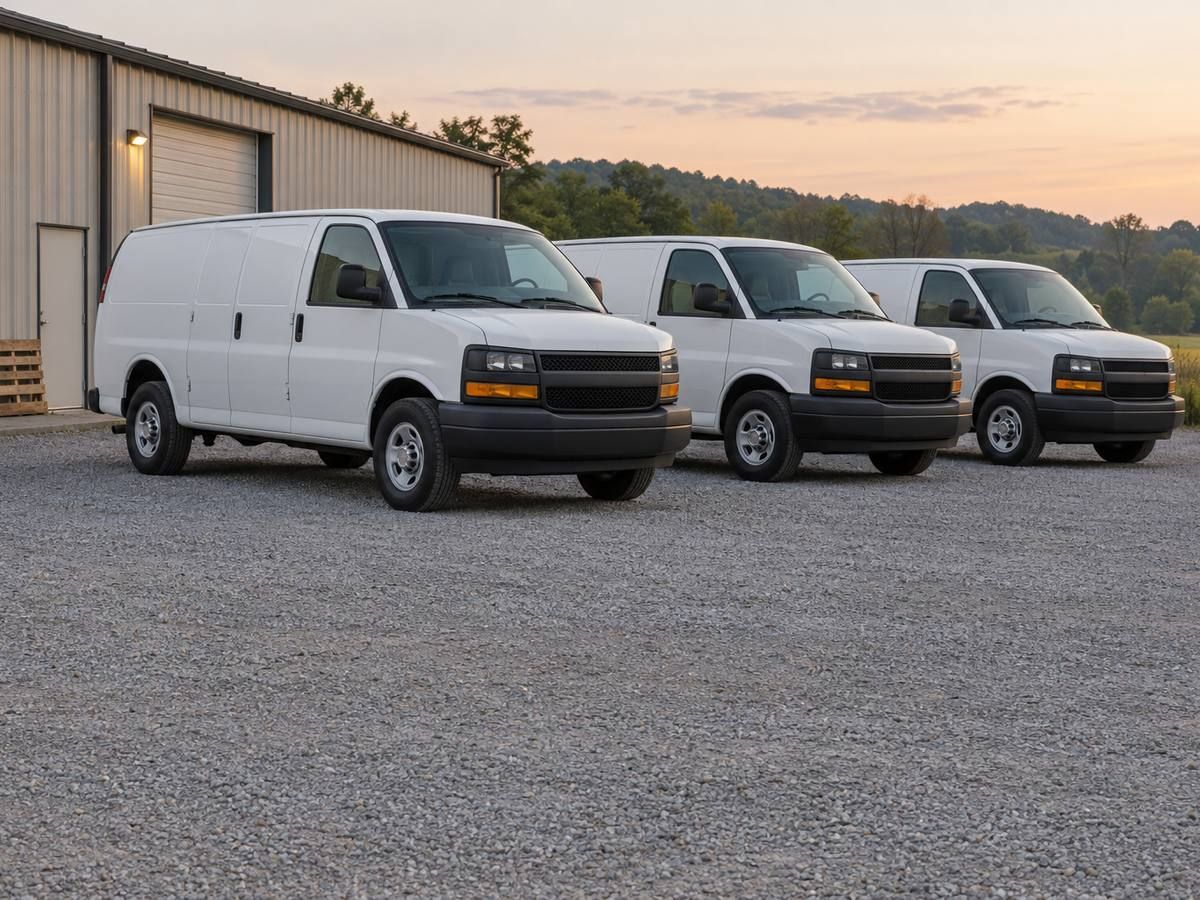
Commercial Auto
Industries We Serve
Insurance built around the work you do
Every industry carries different risks. We know the coverage each one needs and shop the carriers that write it well.
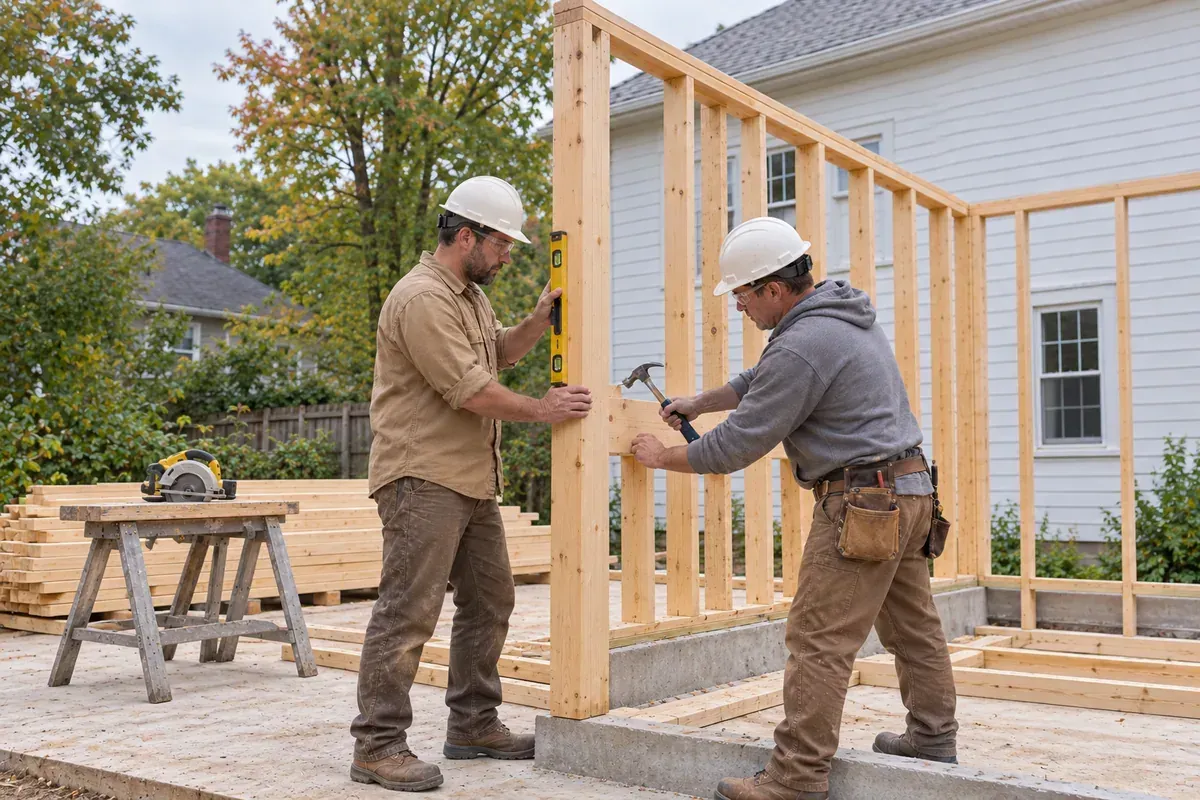
Contractors Insurance
General contractors, remodelers, roofers, and trade crews. We cover the liability, tools, vehicles, and workers your jobs depend on.
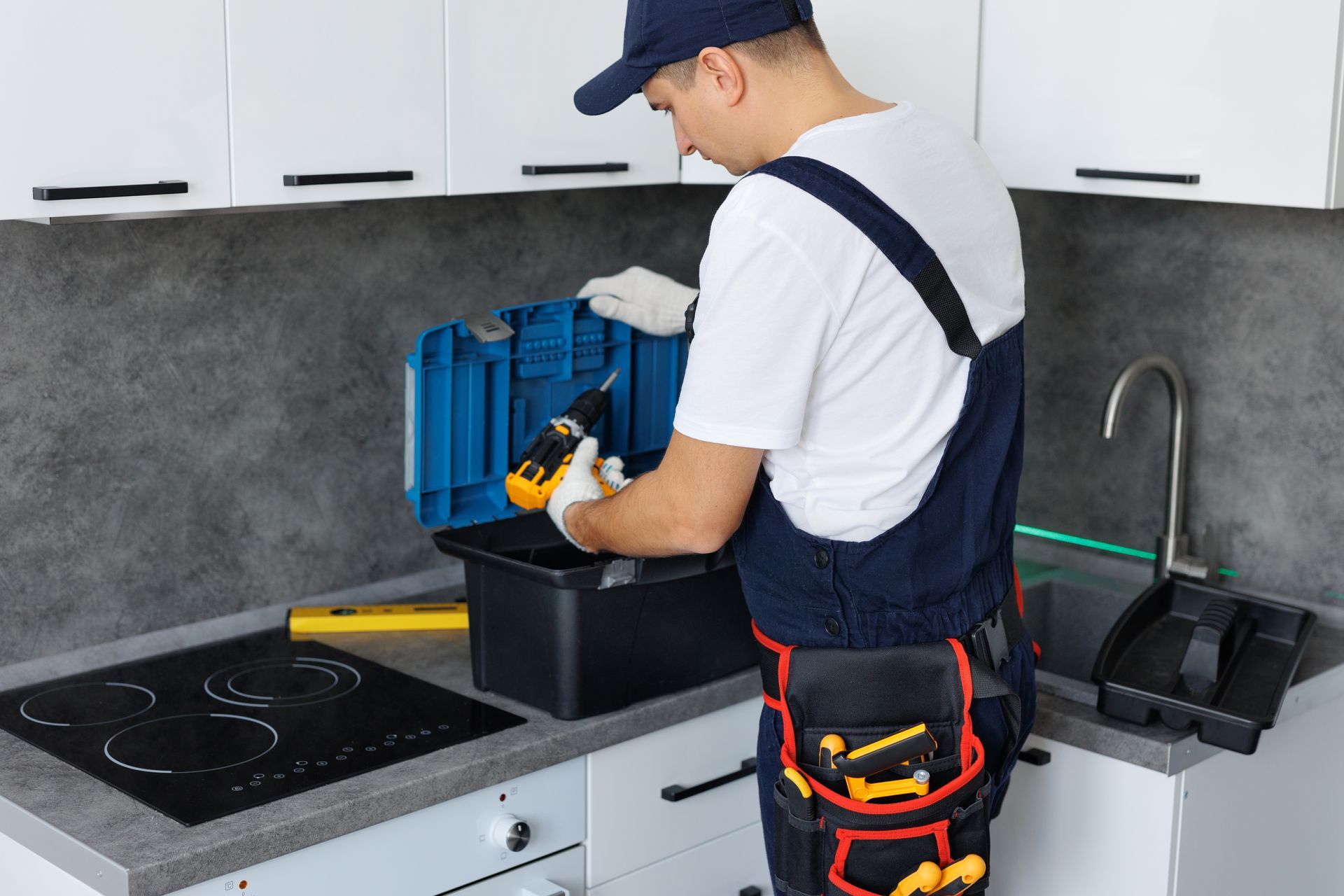
Plumber Insurance
Water damage claims follow plumbers everywhere. We cover your liability, your tools, your van, and your crew, job after job.
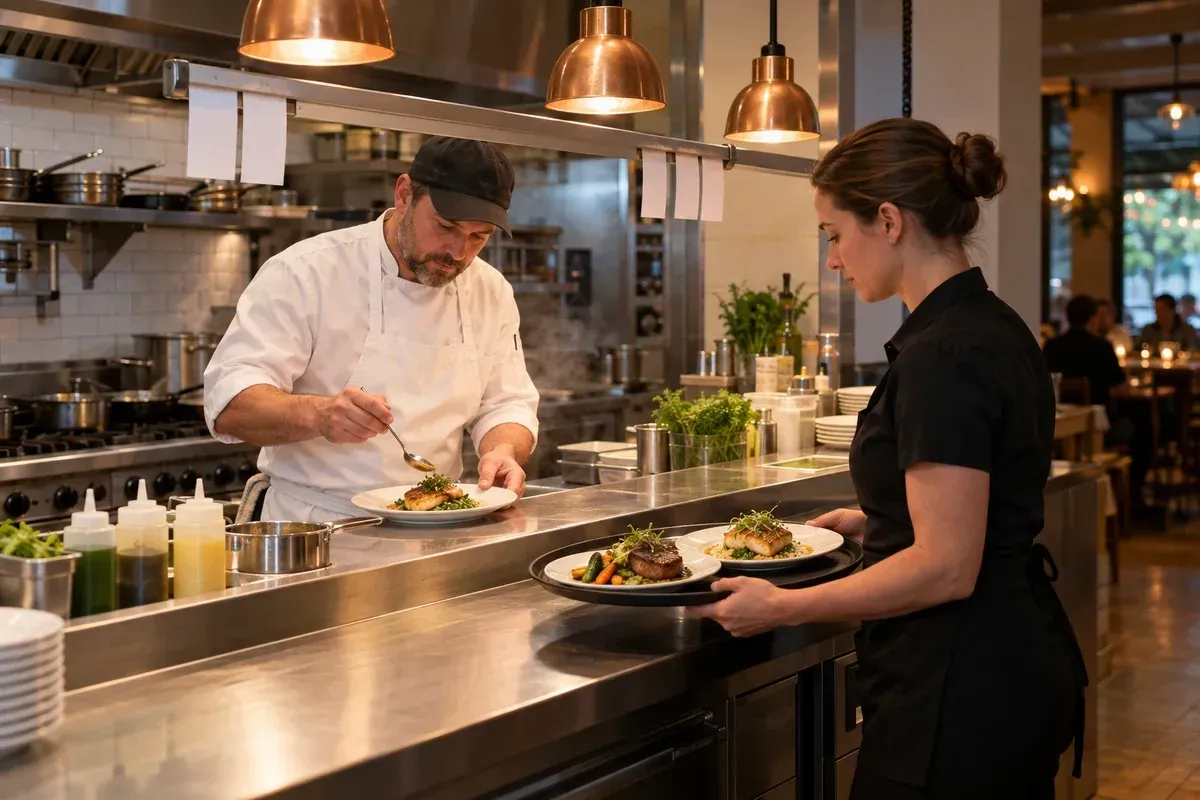
Restaurant Insurance
Kitchens, bars, and cafes face fire, spoilage, and slip risks. We package property, liability, and liquor coverage in one plan.
5-Star Rated on Google
What our clients say
Our clients say it best. Here is what they share about working with Josh, Dave, and the MVP team.
Contractors & Tradesmen
General contractors, roofers, electricians and plumbers. We cover liability, tools, vehicles and crews so every job stays protected.
Insurance Tips & News
Insurance tips for Ohio and Pennsylvania families and businesses
Practical ideas for protecting what matters to you.
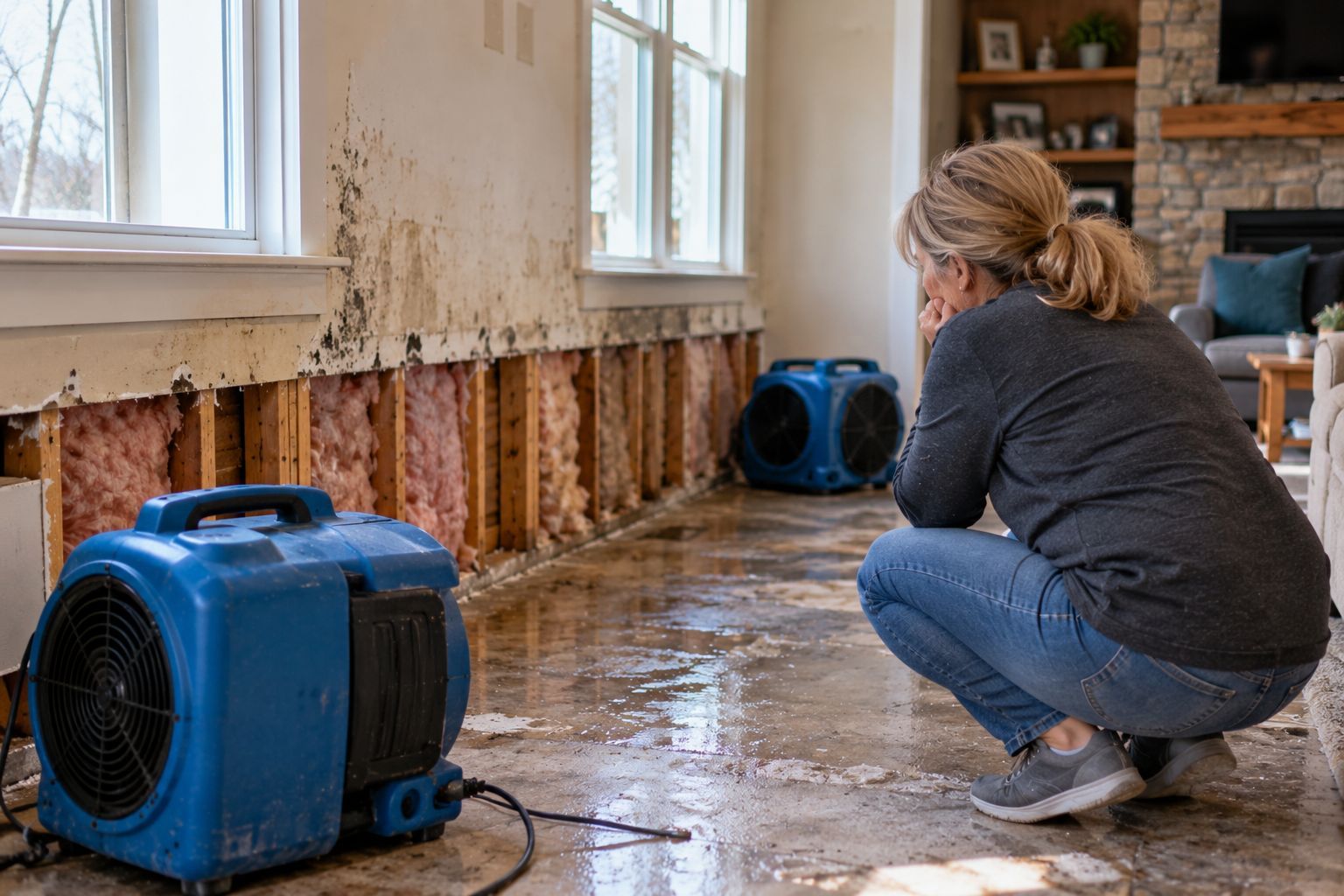
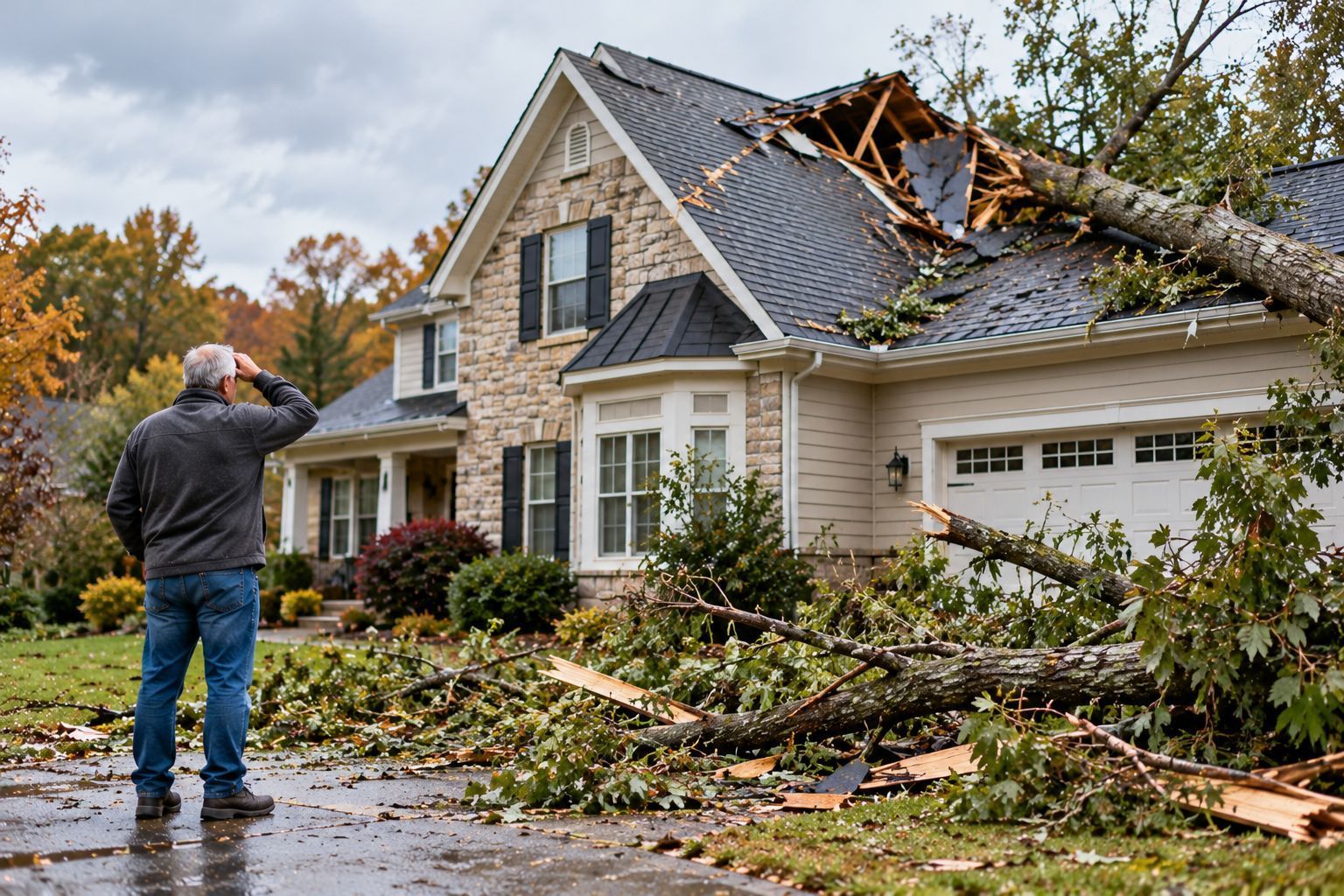
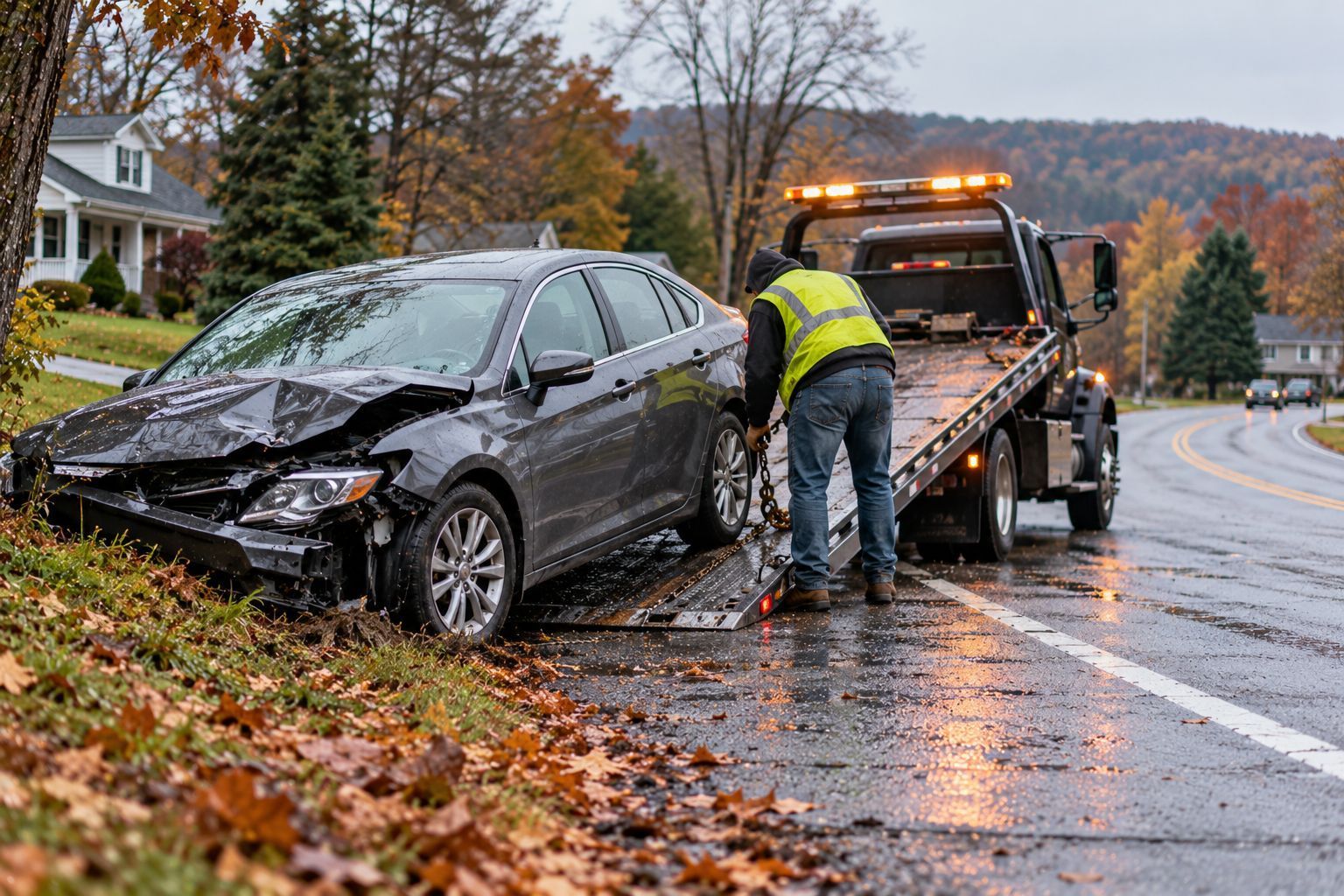
Insurance Questions, Answered
Questions our clients ask
A little clarity can make your next step easier.
What does an independent insurance agency do?
An independent agency works with multiple insurance companies. We compare your options, explain the differences, and help you choose coverage that fits your needs.
Can MVP Insurance quote both my home and auto?
Yes. We can compare home and auto insurance options together. We explain available discounts and check how the policies work together.
Do you insure businesses in Ohio and Pennsylvania?
Yes. We help businesses in both states compare options for property, liability, employees, and commercial vehicles. The right policy depends on your work and the risks involved.
How do I import my current policy for a quote?
Use our Canopy policy import link to share your current policy information. Our team can then review your existing coverage and compare options with you.
How do I report a claim or make a payment?
Visit our Client Center for billing and claims information. You can also call either office for help finding the right carrier contact.
How often should I review my insurance?
Review your coverage each year and after a major change, such as a move, new vehicle, or business expansion. Tell us what changed so we can help you check your protection.

Covington office, Monday through Friday
Call
614 E. Boston St., Covington, LA 70433
58418 Tyler Drive, Slidell, LA 70461
Request Your Free Quote
Let's make insurance simple for you
Tell us what you need. We will help you explore your options.