

A few practical notes from looking at a lot of Pennsylvania policies. Dwelling coverage is where most mistakes happen, because people anchor to market value or their mortgage balance instead of rebuild cost. A Pittsburgh-area home might sell for $220,000 but cost $320,000 to rebuild with today's labor and materials.
Personal property limits are usually set as a percentage, which sounds generous until you hit sub-limits. Jewelry, firearms, collectibles, and cash often have caps of a few thousand dollars unless you schedule them separately. If you own an engagement ring worth more than that cap, it's worth asking about.
Liability is the coverage people tend to skimp on, and it's often the least expensive to increase. Raising liability from $300,000 to $500,000 frequently costs much less than people expect, and if you have a pool, a trampoline, or a dog, the extra protection makes sense. Many families pair it with an umbrella policy for even more protection.
Endorsements fill the gaps the table doesn't cover: sewer and drain backup, equipment breakdown, service line coverage, and replacement cost on contents. Flood and earthquake require separate policies entirely.
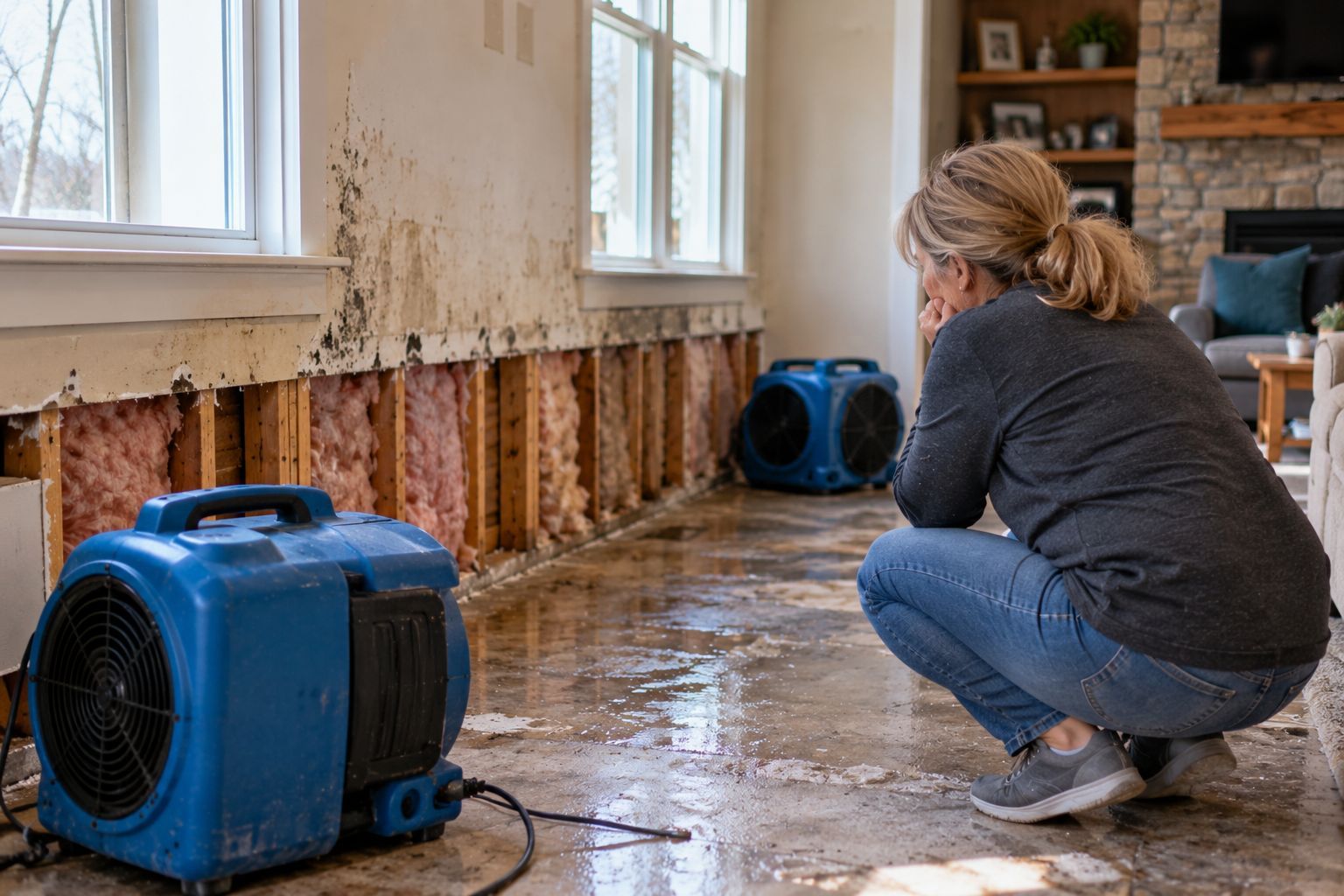
Filing a complaint against an insurer in Pennsylvania starts with the Pennsylvania Insurance Department (PID), which reviews disputes over claims, cancellations and conduct at no cost to you. Most people don't know this office exists until a claim stalls or a renewal notice arrives with bad news, so here is how the process works from start to finish.
How to File an Insurance Complaint in Pennsylvania
To file an insurance complaint in Pennsylvania, submit it through the Pennsylvania Insurance Department's Consumer Services online portal, or download and mail a printed complaint form. Include your policy number, claim number, a clear account of what happened and copies of letters or emails. You can also call the PID consumer line for help.
That hotline is 1-877-881-6388, staffed 8:00 AM to 4:30 PM on weekdays. If you're reviewing your coverage while you sort things out, our overview of pennsylvania personal insurance explains the main policy types Pennsylvania households carry.
What the Pennsylvania Insurance Department Handles
The PID oversees every insurer licensed to sell in the state, from national names like Progressive to regional companies like Erie and Frederick Mutual. Its job is to make sure these carriers follow Pennsylvania law, and the rules they must follow are codified under Pennsylvania Code Title 31. Its Bureau of Consumer Services works as a regulatory mediator for complaints against insurers, licensed agents, brokers and public adjusters.
The department tends to get involved when an insurer may have broken a rule, not simply made a decision you dislike. The most common complaint types include:
- Unfair claim practices: unreasonable delays, ignored calls, lowball offers with no explanation, or denials that don't cite policy language.
- Cancellations and nonrenewals: a policy dropped without proper notice or for a reason state law doesn't allow.
- Premium and billing problems: unexplained rate changes, refunds that never arrive, or misapplied payments.
- Agent or adjuster conduct: misrepresentation, pressure tactics or failure to place coverage you paid for.
The results add up. The PID returned nearly $133 million to Pennsylvania consumers in 2025, including $16.4 million in direct restitution from consumer complaints.
Issues the Department Cannot Resolve
The PID is a regulator, not a court. It won't decide who caused a car accident, weigh conflicting witness accounts, or rule on whether your roof damage came from a storm or from age. Those are factual disputes and civil matters, which belong with an attorney, an appraisal clause in your policy, or the court system.
A common mistake is filing a complaint that boils down to "I think my claim is worth more." Unless you can point to a rule the insurer broke, such as missing a response deadline, the department will usually tell you it can't overrule the adjuster's valuation. Frame your complaint around conduct and process, and it has a much better chance of getting traction.
How to Submit Your Formal Complaint
The online portal is the fastest route, and it gives you a record of exactly what you sent. Before you start, gather your documents so you can finish in one sitting.
- Collect your paperwork. You'll need your policy number, claim number (if any), the insurer's name and any agent or adjuster names.
- Pull your correspondence. Save denial letters, cancellation notices, emails and texts as PDFs or clear photos.
- Build a timeline. Write down dates of the loss, each call, each promise and each missed deadline.
- Open the Consumer Services portal on the PID website and choose the complaint category that fits (auto, homeowners, health, life and so on).
- Write your narrative. Stick to facts in date order, and state the outcome you want, such as payment, reinstatement or a written explanation.
- Attach your documents and submit. Keep the confirmation page.
Prefer paper? Print the complaint form, fill it out with the same details, and mail it with copies, never originals. Many of the strongest complaints are only a page long. A tight timeline with "called 3/4, promised callback in 48 hours, no response by 3/18" beats three pages of frustration every time.
What Happens Next After Submission
Once your complaint arrives, the Bureau of Consumer Services reviews it and opens a file. Within a few days you should receive an acknowledgment letter with a file number and the name of your assigned investigator. Save both, since you'll reference them in any follow-up.
The investigator then contacts the insurer, whether that's Westfield, Liberty Mutual or a smaller carrier, and sends a copy of your allegations. The company must reply in writing, explaining its actions and citing the policy language or rule it relied on. The investigator compares that response against Pennsylvania law and your documents.
If the insurer broke a rule, the department can push it to correct the problem: paying a delayed claim, reversing an improper cancellation, or refunding premium. If the insurer followed the rules, you'll get a letter explaining why, along with the carrier's reasoning. Either way, you end up with a written answer, which is often more than you had before. This isn't a rare service, either: the bureau investigated more than 16,500 formal complaints during 2024.
Timelines to Expect During the Investigation
Every case moves at its own pace, but as of this writing, insurers in Pennsylvania are generally required to complete their investigation of a claim within 30 days after receiving notification. Simple billing questions can wrap up within a few weeks. Complex claim disputes with multiple rounds of questions can take a couple of months or longer.
Delays usually come from missing information. If the insurer says it never received your proof of loss, the investigator may ask you for it, and the clock effectively resets. Answering investigator requests quickly is the single easiest way to speed things up.
Comparison of Complaint Types and Typical Processing Times
| Complaint Type | What PID Reviews | Typical Timeframe* |
|---|---|---|
| Billing or refund | Premium charges, refunds owed | A few weeks |
| Cancellation or nonrenewal | Notice periods, allowed reasons | About 30 to 45 days |
| Claim delay | Response deadlines, communication | About 30 to 60 days |
| Claim denial | Policy language, handling practices | 60 days or more |
| Agent conduct | Licensing rules, misrepresentation | Varies widely |
Frequently Asked Questions About PA Insurance Complaints
Does it cost anything to file a complaint with the Pennsylvania Insurance Department? No. Filing is free, and you don't need a lawyer to submit one.
Will my insurer cancel my policy because I complained? Filing a complaint is your right, and an insurer can't lawfully punish you for it. If you suspect retaliation, report it to your investigator right away.
Should I contact my insurance company before filing? Yes, usually. Give the company a chance to fix the problem, keep notes on every call, and file with the PID if it doesn't respond or the answer doesn't follow the rules.
Taking these steps in order (call the insurer, document everything, then file with the state) gives you the strongest footing. The department exists for exactly this, and as the PID put it, "Every dollar recovered is a win for a Pennsylvanian who was treated unfairly."
If the experience leaves you rethinking your coverage, an independent agency can compare options from several carriers on your behalf. MVP Insurance, with offices in Zelienople, PA and New Springfield, OH, is licensed in Ohio (#37714) and Pennsylvania (#519263), NPN 10588293. When you're ready, you can start a quote and see what fits your household.
Search
Recent Posts



MVP Insurance is a local, independent agency, licensed to serve individuals and businesses across Ohio and Pennsylvania.
We serve clients from our offices in New Springfield, Ohio and Zelienople, Pennsylvania and throughout Northeast Ohio and Western Pennsylvania, working with multiple carriers to help contractors, landlords and real estate investors, restaurants, retail shops, auto repair shops, professional offices and many other personal and commercial clients find coverage that fits.
Our Owners
Two friends who started an agency
Owner
Joshua Medure
I am a Penn State marketing graduate with more than ten years in insurance. My childhood friend David and I started MVP Insurance in Northeast Ohio because we wanted the people around us to have an agency that gives honest advice, real choices and someone who picks up the phone. I lead the agency’s insurance strategy, which means I read the policies so our clients do not have to. Away from the office, I coach youth football.


About the Author
David Varrati
Owner, MVP Insurance
I started MVP Insurance with my childhood friend Josh because we wanted people in Northeast Ohio and Western Pennsylvania to have an agency that explains things plainly and picks up the phone. I studied Political Science at Slippery Rock University and have spent more than ten years helping families and individuals protect what matters to them. When I am not in the office, you will find me coaching youth sports.