
Owner, MVP Insurance
Pennsylvania directors and officers insurance pays defense costs, settlements and judgments when board members or executives are sued over decisions they made while leading an organization. It shields the personal savings, homes and retirement accounts of the people at the table. It also protects the organization's own balance sheet when the claim names the entity.
That covers a lot of ground, because the people who need this coverage rarely think of themselves as targets. A retired teacher who volunteers as HOA treasurer in Cranberry Township doesn't picture herself as a defendant. Neither does the founder of a family manufacturing business in Butler County, or the board chair of a youth sports nonprofit in Beaver Falls. Yet each of them makes decisions about money, rules and people, and every one of those decisions can be second-guessed in court.
This guide breaks down how D&O policies actually work in Pennsylvania. It covers the three insuring agreements known as Side A, B and C, and the types of claims we see from members, donors and regulators. It also explains how D&O fits next to your other commercial policies so there are no gaps.
The Importance of Pennsylvania Directors and Officers Insurance
D&O insurance protects two things at once: the personal assets of the individuals who govern an organization, and the financial health of the organization itself. It responds when someone alleges a "wrongful act." Policies typically define that as an actual or alleged error, misstatement, misleading statement, omission, neglect or breach of duty. You don't have to be guilty for the policy to matter. Most of its value comes from paying lawyers to fight claims that never should have been filed.
Defense costs are where boards get hurt. A shareholder or member lawsuit can take years to resolve, and legal bills pile up long before anyone decides who was right. Without D&O coverage, a director might have to front those costs personally. They would then wait on the organization's bylaws and bank account to pay them back, assuming the organization can pay at all.
Pennsylvania is not a quiet state for this kind of litigation. Market data puts the state's litigation risk for commercial D&O at "Moderate-High," with premiums averaging roughly 1.12 times the national median (verify at publish). Organizations here should expect to pay a bit more than peers in some other states. It also signals that claims happen often enough for carriers to price the risk in.
The compliance burden is growing too. Updates to the Pennsylvania Associations Code now require all corporations, both profit and nonprofit, to file annual reports with the Department of State, replacing the old once-a-decade filing. Every new duty is another place a board can be accused of dropping the ball.


On this page
MVP Insurance is a local, independent agency, licensed to serve individuals and businesses across Ohio and Pennsylvania.
We serve clients from our offices in New Springfield and Zelienople and throughout Northeast Ohio and Western Pennsylvania, working with multiple carriers to help homeowners, drivers, renters and condo owners, landlords, contractors, restaurant owners, shop owners, auto repair shops, professional offices and many other personal and commercial clients find coverage that fits.
Written By
David Varrati
Owner, MVP Insurance
Owner, MVP Insurance
On this page
Umbrella
An umbrella policy adds liability protection above the limits on your home and auto policies. One serious accident can cost more than those limits, and the umbrella is what stands between the claim and your savings.
Protecting Board Members of Nonprofits and HOAs
Nonprofit and homeowners association boards are among the most common buyers of D&O coverage in Pennsylvania. Volunteers are not automatically immune from being sued personally. Pennsylvania law offers some protections for unpaid nonprofit volunteers, but those protections have limits. They also don't stop a lawsuit from being filed in the first place, so someone still has to pay a lawyer to get you dismissed.
HOA boards make decisions that hit people where they live, literally. Raising dues, approving or denying a fence, enforcing parking rules, choosing a paving contractor, fining a homeowner over a shed: each one creates a winner and a loser. The loser sometimes calls an attorney. We regularly see claims alleging selective enforcement of covenants or that a special assessment was improperly approved. Some allege the board violated its own governing documents.
Nonprofit boards carry a different kind of weight because they handle other people's money. Donors give for a stated purpose, and when funds are spent differently, or a program shuts down, they may claim mismanagement. Compliance is a real pressure point right now. As of May 2026, roughly 89% of Pennsylvania nonprofits were not in compliance with the state's new annual filing requirement that first took effect in June 2025 (verify at publish).
A few mistakes we see repeatedly with volunteer boards:
- Assuming the general liability policy covers board decisions. It usually covers bodily injury and property damage, not financial harm from governance choices.
- Buying coverage that only protects the entity. If the policy doesn't cover individual directors, volunteers are exposed.
- Ignoring past directors. Former board members can be sued over decisions from their term, so the policy should cover them too.
- Letting the policy lapse during a budget squeeze. Most D&O is claims-made, so a gap can wipe out protection for prior acts.

D&O Liability for Private Companies
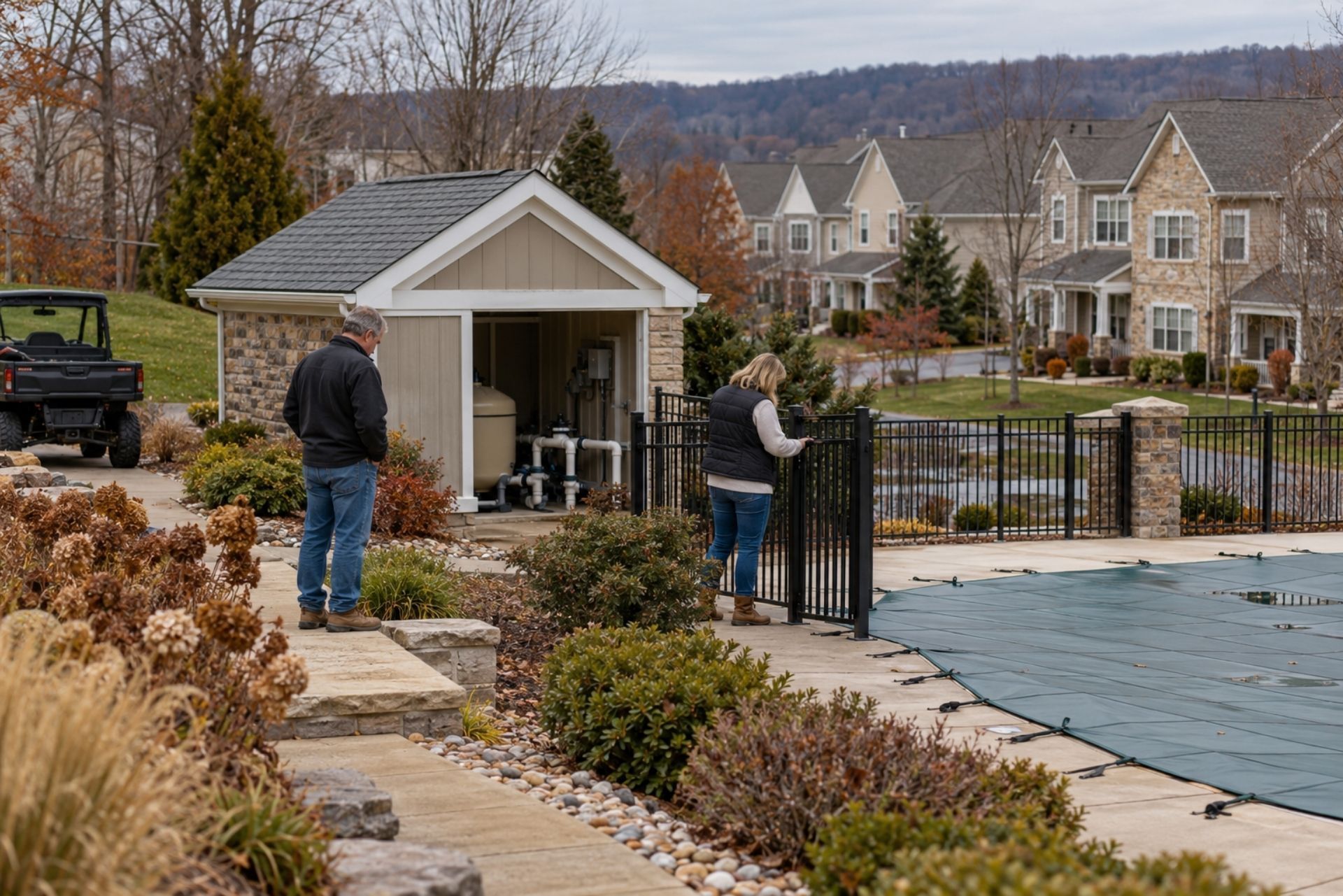
Private company D&O works differently from nonprofit coverage because the threats come from different places. There's no public stock and no SEC securities class action risk. But owners, investors, lenders, customers, competitors and employees can still bring claims against leadership. The policy usually also covers the company itself for many of those claims, which matters for closely held businesses where the owners and the company are financially intertwined.
Mergers and acquisitions create some of the largest exposures. When a Pennsylvania business sells to a buyer or a private equity group, the buyer may later claim the sellers misrepresented revenue, liabilities or customer contracts. Sellers should ask about "run-off" or "tail" coverage before closing. This extends the old D&O policy (often six years) so former directors stay protected after the company changes hands. Skipping that step is one of the most expensive mistakes we see sellers make.
Disputes with minority shareholders are the other big category. Picture a family-owned company where two siblings run operations and a third sibling owns 20% but has no say. If the majority votes themselves raises, refuses dividends or sells assets to a related party, the minority owner may sue for breach of fiduciary duty or oppression. These cases get personal and expensive fast.
Watch for the "insured versus insured" exclusion here. Many policies exclude claims brought by one insured against another, and that can knock out shareholder disputes entirely unless the wording carves them back in. For context on insolvency-related risk, annual D&O benchmarks for Pennsylvania private equity portfolio companies addressing insolvency and liquidation claims range from about $952 to $3,584 (verify at publish). Your number will depend heavily on revenue, financials and claims history.
Understanding Side A, B and C Coverage
Every standard D&O policy is built on three insuring agreements: Side A, Side B and Side C. Side A protects individual directors and officers when the organization can't or won't indemnify them. Side B reimburses the organization after it pays to defend or indemnify its leaders. Side C covers the organization itself when it's named in a claim.
Think of them as three separate buckets of protection that usually share one overall limit. That shared limit is the part people miss. If the organization burns through the limit defending itself under Side C, less money may remain for the individuals under Side A.
Side A Coverage: Individual Protection
Side A is the coverage that directly protects people. It pays on behalf of directors and officers when the entity cannot indemnify them. That happens in a few common situations. The organization might be insolvent or in bankruptcy, or state law or the bylaws might prohibit indemnification for a certain type of claim. The board might also simply refuse, which can happen after a falling out.
This is why some boards buy a separate, dedicated Side A policy that sits on top of the main program. That limit belongs only to the individuals, so it can't be drained by entity claims. It also usually has no retention (deductible), so the individual director pays nothing out of pocket. For a nonprofit relying on grants, or a business carrying meaningful debt, the scenario where the entity can't pay is not far-fetched.
Side B and Side C: Corporate Reimbursement and Entity Coverage
Side B kicks in when the organization does the right thing and indemnifies its leaders. Say an HOA's bylaws require the association to defend board members, and it pays $40,000 in legal fees after a homeowner sues the president. Side B reimburses the association for that spending, minus the retention. The individuals are protected, and the organization's reserves get refilled.
Side C, often called entity coverage, protects the organization when the organization itself is the defendant. For public companies, Side C is usually limited to securities claims. For private companies, nonprofits and HOAs, it tends to be much broader and can cover many types of claims against the entity. Side C is where a lot of real claim activity happens for smaller organizations, because plaintiffs typically name both the board and the organization.
Written By
David Varrati
Owner, MVP Insurance
Owner, MVP Insurance
On this page
Commercial auto works best as one piece of a broader plan. When an employee is hurt in a crash while driving for work, workers' compensation usually responds to their injuries, while your auto policy handles injuries to others and vehicle damage. Make sure your Pennsylvania workers comp coverage and your auto policy are coordinated so nobody falls between them.
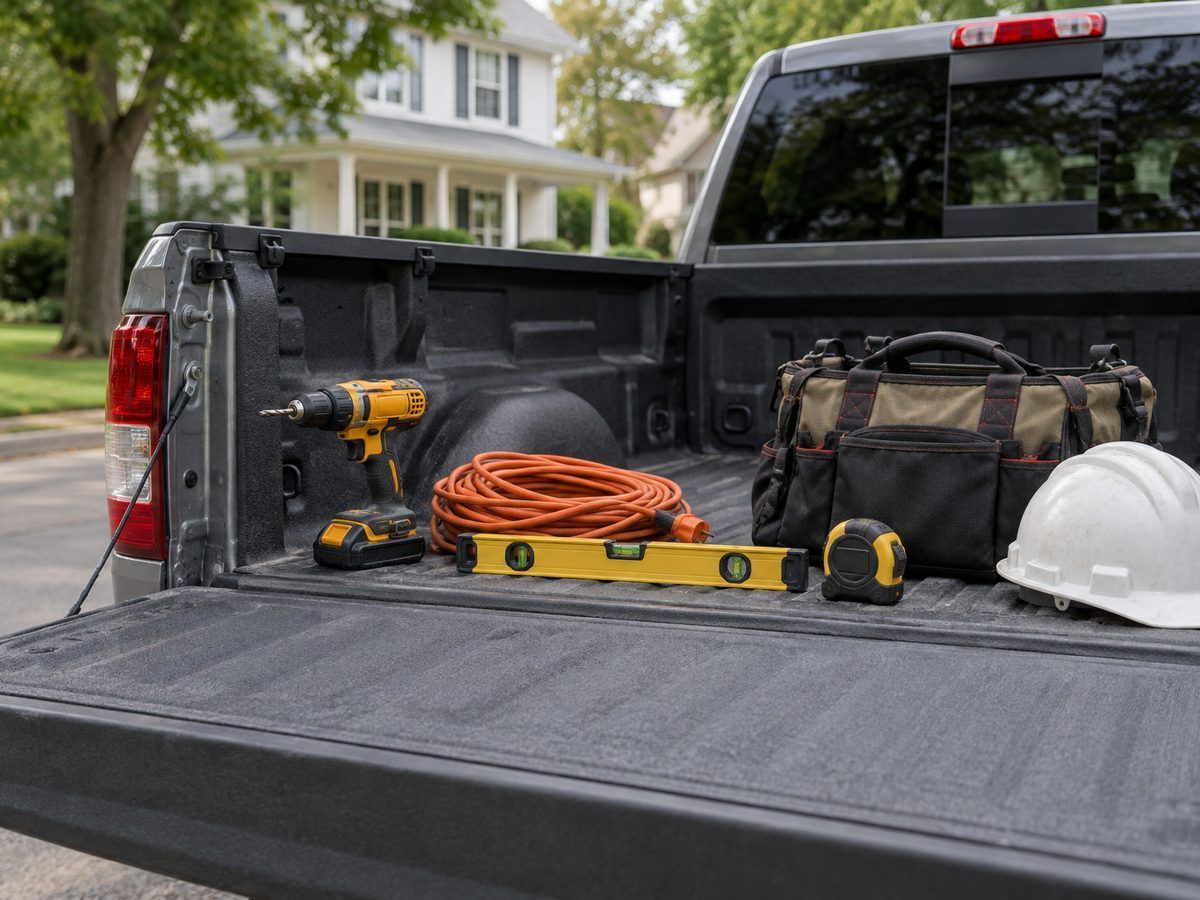
General liability, property, and inland marine coverage for tools round out the picture. A contractor's tools stolen from a truck bed may fall under inland marine rather than auto. Reviewing your Pennsylvania business insurance together with your auto policy is the most reliable way to spot those gaps.
Integrating Workers Comp and Business Insurance
Comparison of D&O Coverage Components
Side A covers people, Side B covers the organization's reimbursement costs, and Side C covers the organization's own liability. The table below lays out the differences in plain terms.
| Coverage Line | Typical Primary Limit | With $1M Umbrella | With $2M Umbrella | With $5M Umbrella |
|---|---|---|---|---|
| General Liability (per occurrence) | $1M | $2M total | $3M total | $6M total |
| General Liability (aggregate) | $2M | $3M total | $4M total | $7M total |
| Commercial Auto (combined single limit) | $1M | $2M total | $3M total | $6M total |
| Employers Liability (each accident) | $500K to $1M | Up to $2M total | Up to $3M total | Up to $6M total |
| Typical fit | Basic contracts | Small subs, light fleets | Most GC and municipal work | Larger fleets, public projects |
A few practical notes on reading this table against your actual policy:
- Retentions differ by side. Side A often has no retention, while Side B and C usually do.
- Limits are often shared. Ask whether one large entity claim could exhaust protection for individuals.
- Definitions matter more than labels. The definition of "claim" decides whether a demand letter, subpoena or regulatory inquiry counts. That determines when the policy starts paying.
Claims From Members, Donors and Regulators
Most D&O claims against Pennsylvania boards come from three directions: members who disagree with a decision, donors who think their money was misused, and regulators reviewing filings or finances. Each looks different in practice, and each tests different parts of the policy.
HOA member claims are usually local and emotional. A homeowner disputes a $3,000 special assessment for roof replacement and argues the board didn't follow the voting procedures in the declaration. Or a group of owners alleges the board hired a board member's relative as the landscaper. These claims often start as angry emails and turn into lawsuits seeking to void the decision, plus attorney fees. D&O can pay defense costs even when the homeowner is mostly seeking non-monetary relief, though some policies limit coverage for those claims, so read the wording.
Donor claims tend to focus on restricted gifts. A family gives $250,000 to fund a scholarship, the nonprofit later redirects it to operating expenses, and the family's attorney alleges breach of fiduciary duty. Expect more scrutiny of nonprofit reporting overall. In June 2026, Pennsylvania Senate Bill 1183 raised the threshold for mandatory nonprofit audits from $750,000 to $1 million in annual contributions (verify at publish). Fewer audits for mid-sized charities can mean less outside review, so internal controls carry more of the load.
Regulators are the third source, and their investigations can be expensive even without a lawsuit. State or federal regulators may examine financial reporting, charitable solicitation registrations, tax status or use of funds. Donor privacy is a fresh battleground. A May 2026 Supreme Court decision in First Choice v. Davenport gives nonprofits a federal path to challenge state-level subpoenas for sensitive donor information (verify at publish). Fighting a subpoena costs money, so check whether your policy treats subpoenas and formal investigations as covered claims. Many older forms do not.
Written By
David Varrati
Owner, MVP Insurance
Owner, MVP Insurance
On this page
MVP Insurance is a local, independent agency, licensed to serve individuals and businesses across Ohio and Pennsylvania.
We serve clients from our offices in New Springfield, Ohio and Zelienople, Pennsylvania and throughout Northeast Ohio and Western Pennsylvania, working with multiple carriers to help contractors, landlords and real estate investors, restaurants, retail shops, auto repair shops, professional offices and many other personal and commercial clients find coverage that fits.
| Coverage | What It Covers | Who Needs It | Limit Guidance |
|---|---|---|---|
| Auto Liability | Injuries and damage you cause to others | Every business vehicle | State minimum required; contracts often demand much more |
| First-Party Medical Benefits | Medical bills for occupants | Required on PA-registered vehicles | Higher options available |
| Collision | Damage to your vehicle in a crash | Financed, leased, or valuable vehicles | Based on vehicle value and deductible |
| Comprehensive | Theft, weather, deer strikes | Most owned vehicles | Based on vehicle value |
| Uninsured/Underinsured Motorist | Your injuries caused by drivers without enough insurance | Strongly recommended | Often matched to liability |
| Hired and Non-Owned Auto | Business liability for employee and rented cars | Any business whose staff drives for work | Usually matched to liability |
| Commercial Umbrella | Extra liability above auto limits | High-mileage, Turnpike or I-79 heavy operations | Added in layers |
Auto
Managing Risks with EPLI and Business Insurance
D&O covers governance decisions, but it is not a complete insurance program on its own. Employment claims are the most common gap. Many D&O policies exclude or sharply limit claims for wrongful termination, discrimination, harassment and retaliation. That's why Employment Practices Liability Insurance exists as its own coverage line.
Consider a nonprofit that lets go of its executive director after a funding cut. The former director sues, alleging age discrimination, and names the board chair individually. If the D&O policy excludes employment claims and there's no EPLI, the organization and the chair could be paying defense costs out of pocket. Pairing D&O with Pennsylvania EPLI coverage closes that gap.Some carriers package the two together with shared or separate limits.
The rest of your program matters too. General liability handles slip-and-fall injuries at the clubhouse or fundraiser. Property coverage protects buildings and equipment, and crime or fidelity coverage responds if a treasurer embezzles. Cyber coverage handles a donor database breach. D&O typically excludes bodily injury, property damage and many dishonesty losses because other policies are built for them. Reviewing everything together through a full business insurance program in Pennsylvaniais how you spot where one policy ends and the next should begin.
A simple rule we give clients: list the five worst things that could realistically happen to your organization. Then find which policy pays for each one. If you can't name a policy, you've found a gap.
Common Questions About D&O Insurance in PA
Here are straight answers to the questions board members ask us most often.
Does D&O insurance cover criminal acts? No, D&O policies exclude deliberate criminal or fraudulent acts once they're proven. Many policies will still pay defense costs while the allegations are being fought, and the carrier may seek repayment if guilt is later established.
Why do nonprofit volunteers need D&O insurance? Volunteers can still be sued personally over board decisions about money, staff or rules, even if they were never paid. D&O pays for their legal defense so they don't risk their own savings for donating their time.
How much D&O coverage do I need? Many small nonprofits and HOAs start at $1 million, while larger organizations and private companies with outside investors often need more. The right limit depends on your budget, assets, number of members or shareholders, and your claims history.
Is D&O the same as professional liability? No. Professional liability (errors and omissions) covers mistakes in the services you provide to clients, while D&O covers management and governance decisions made by your leadership.
Does D&O cover past board members? Most policies cover past, present and future directors and officers for acts within the policy terms. Keeping coverage continuous protects former members who may be sued years later.
Do new charities need D&O right away? Yes, if they have a board making financial decisions. New Pennsylvania charities may also benefit from
a two-year conditional exemption from Sales and Use Tax under House Bill 2305 passed in June 2026 (verify at publish), which can free up early budget for coverage.
Written By
David Varrati
Owner, MVP Insurance
Owner, MVP Insurance
On this page
MVP Insurance is a local, independent agency, licensed to serve individuals and businesses across Ohio and Pennsylvania.
We serve clients from our offices in New Springfield, Ohio and Zelienople, Pennsylvania and throughout Northeast Ohio and Western Pennsylvania, working with multiple carriers to help contractors, landlords and real estate investors, restaurants, retail shops, auto repair shops, professional offices and many other personal and commercial clients find coverage that fits.
| Coverage | What It Covers | Who Needs It | Limit Guidance |
|---|---|---|---|
| Auto Liability | Injuries and damage you cause to others | Every business vehicle | State minimum required; contracts often demand much more |
| First-Party Medical Benefits | Medical bills for occupants | Required on PA-registered vehicles | Higher options available |
| Collision | Damage to your vehicle in a crash | Financed, leased, or valuable vehicles | Based on vehicle value and deductible |
| Comprehensive | Theft, weather, deer strikes | Most owned vehicles | Based on vehicle value |
| Uninsured/Underinsured Motorist | Your injuries caused by drivers without enough insurance | Strongly recommended | Often matched to liability |
| Hired and Non-Owned Auto | Business liability for employee and rented cars | Any business whose staff drives for work | Usually matched to liability |
| Commercial Umbrella | Extra liability above auto limits | High-mileage, Turnpike or I-79 heavy operations | Added in layers |
Auto
Securing Your Board with MVP Insurance
Good D&O protection comes down to a few decisions made carefully. Pick limits that fit your real exposure, and make sure Side A protects your people. Check that employment, subpoena and shareholder claims aren't quietly excluded. Coordinate D&O with EPLI and the rest of your business coverage so a claim doesn't fall between policies.
MVP Insurance was founded in 2008 by Josh Medure and David Varrati as a 100% independent agency. That means we work for you, not for any insurance company. We shop and compare D&O policies from multiple carriers so you can see how wording, retentions and pricing actually differ before you commit. Our team serves Pennsylvania and Ohio from two offices:
- Zelienople, PA: 108 E Grandview Ave, Zelienople, PA 16063, (724) 453-1122
- New Springfield, OH: 13823 Grant St, New Springfield, OH 44443, (330) 707-9055
MVP Insurance is licensed in Ohio (license #37714) and Pennsylvania (license #519263), NPN 10588293.
If your board has never read its D&O policy closely, or doesn't have one, now is a good time to fix that. We'll review your current coverage, compare options and explain the gaps in plain language. You can
start your quoteonline or call either office. The people who volunteer their judgment to your organization deserve to know their homes and savings aren't on the line for it.
MVP Insurance is a local, independent agency, licensed to serve individuals and businesses across Ohio and Pennsylvania.
We serve clients from our offices in New Springfield, Ohio and Zelienople, Pennsylvania and throughout Northeast Ohio and Western Pennsylvania, working with multiple carriers to help contractors, landlords and real estate investors, restaurants, retail shops, auto repair shops, professional offices and many other personal and commercial clients find coverage that fits.
Our Owners
Two friends who started an agency
Owner
Joshua Medure
I am a Penn State marketing graduate with more than ten years in insurance. My childhood friend David and I started MVP Insurance in Northeast Ohio because we wanted the people around us to have an agency that gives honest advice, real choices and someone who picks up the phone. I lead the agency’s insurance strategy, which means I read the policies so our clients do not have to. Away from the office, I coach youth football.
About the Author
Joshua Medure
Owner, MVP Insurance
I am a Penn State marketing graduate with more than ten years in insurance. My childhood friend David and I started MVP Insurance in Northeast Ohio because we wanted the people around us to have an agency that gives honest advice, real choices and someone who picks up the phone. I lead the agency’s insurance strategy, which means I read the policies so our clients do not have to. Away from the office, I coach youth football.
Personal Insurance in Ohio & Pennsylvania
Coverage for your home, your car, and your family
Protect the everyday things that mean the most to you.
Homeowners Insurance
Your home is one of your most valuable assets. We compare carriers to protect the house, your belongings, and your liability.
Car Insurance
We proactively shop the market to find the best combination of coverage and price for every car in your driveway.
Renters Insurance
Own a condo or rent your home? We insure your unit, your belongings, and your personal liability at a fair rate.
Umbrella Insurance
Extra liability protection above your home and auto policies. Large coverage limits for a small added cost each year.
Life Insurance
Protect the people who rely on you most, so they can keep their home and lifestyle if the unexpected happens.
Flood Insurance
Standard home policies do not cover flooding. We help you add flood coverage through the NFIP or a private carrier before the water rises.
Business Insurance in Ohio & Pennsylvania
No matter how big or small your business, we protect it
Practical coverage for your people, your property, and the work you do.
General Liability
Business Owners Policy

Professional Liability
Commercial Property

Workers Compensation
Commercial Auto
Industries We Serve
Insurance built around the work you do
Every industry carries different risks. We know the coverage each one needs and shop the carriers that write it well.

Contractors Insurance
General contractors, remodelers, roofers, and trade crews. We cover the liability, tools, vehicles, and workers your jobs depend on.

Plumber Insurance
Water damage claims follow plumbers everywhere. We cover your liability, your tools, your van, and your crew, job after job.

Restaurant Insurance
Kitchens, bars, and cafes face fire, spoilage, and slip risks. We package property, liability, and liquor coverage in one plan.
5-Star Rated on Google
What our clients say
Our clients say it best. Here is what they share about working with Josh, Dave, and the MVP team.
Contractors & Tradesmen
General contractors, roofers, electricians and plumbers. We cover liability, tools, vehicles and crews so every job stays protected.
Insurance Tips & News
Insurance tips for Ohio and Pennsylvania families and businesses
Practical ideas for protecting what matters to you.


Insurance Questions, Answered
Questions our clients ask
A little clarity can make your next step easier.
What does an independent insurance agency do?
An independent agency works with multiple insurance companies. We compare your options, explain the differences, and help you choose coverage that fits your needs.
Can MVP Insurance quote both my home and auto?
Yes. We can compare home and auto insurance options together. We explain available discounts and check how the policies work together.
Do you insure businesses in Ohio and Pennsylvania?
Yes. We help businesses in both states compare options for property, liability, employees, and commercial vehicles. The right policy depends on your work and the risks involved.
How do I import my current policy for a quote?
Use our Canopy policy import link to share your current policy information. Our team can then review your existing coverage and compare options with you.
How do I report a claim or make a payment?
Visit our Client Center for billing and claims information. You can also call either office for help finding the right carrier contact.
How often should I review my insurance?
Review your coverage each year and after a major change, such as a move, new vehicle, or business expansion. Tell us what changed so we can help you check your protection.


Covington office, Monday through Friday
Call
614 E. Boston St., Covington, LA 70433
58418 Tyler Drive, Slidell, LA 70461
Request Your Free Quote
Let's make insurance simple for you
Tell us what you need. We will help you explore your options.