
Owner, MVP Insurance
Pennsylvania trucking insurance generally covers five core areas: primary liability with FMCSA filings for interstate work, PUC authority and filings for intrastate for-hire hauling, motor truck cargo for the freight on your trailer, physical damage for tractors and trailers, and owner-operator protection such as non-trucking liability. Most carriers need several of these at once.
That's the short version. The longer version matters because a missing filing or a misunderstood exclusion can idle a truck for weeks or leave you paying a claim out of pocket. If you previously read our separate Commercial Trucking and Cargo pages, those now point here, so everything sits in one place. Whether you run a single power unit out of Butler County or manage a small fleet hauling steel and aggregate across the Turnpike, the sections below walk through what each coverage does and where operators most often get tripped up.
Understanding Pennsylvania Trucking Insurance Requirements
Your required coverage depends on two questions: where you haul and who you haul for. A carrier crossing state lines answers to federal rules through the FMCSA. A for-hire carrier staying inside Pennsylvania generally answers to the Pennsylvania Public Utility Commission. Plenty of operations need to satisfy both.
Beyond the legal minimums, shippers, brokers and lenders add their own requirements. A broker may refuse to tender a load unless you carry cargo coverage at a specific limit. A bank financing your new Peterbilt will almost always require physical damage coverage with the lender listed as loss payee. Leasing companies often demand trailer interchange coverage before you can pull their equipment.
Cost pressure is real, too. Large jury awards in trucking cases have pushed liability pricing up statewide, and one civil justice group put it bluntly: "these massive verdicts have to be paid by someone", with the costs eventually flowing down to consumers. For a trucking business, that translates into higher premiums and tighter underwriting on drivers with violations.
The most common mistake we see is building a policy around the legal minimum alone. Minimums keep your authority active, but they rarely match what a serious accident on I-80 actually costs. Treat the required filings as the floor and build from there based on your freight, equipment value and contracts. Trucking is one of several industries we insure, and it's the one where small details carry the biggest consequences.

On this page
MVP Insurance is a local, independent agency, licensed to serve individuals and businesses across Ohio and Pennsylvania.
We serve clients from our offices in New Springfield and Zelienople and throughout Northeast Ohio and Western Pennsylvania, working with multiple carriers to help homeowners, drivers, renters and condo owners, landlords, contractors, restaurant owners, shop owners, auto repair shops, professional offices and many other personal and commercial clients find coverage that fits.
Primary Liability and FMCSA Filings for Interstate Carriers
If you haul across state lines, you must carry primary liability insurance that meets FMCSA minimum filing requirements before your operating authority goes active. Primary liability pays for injuries and property damage you cause to others while operating your truck. Without it on file, you cannot legally run interstate loads.
The filing itself is what trips people up. Buying a policy isn't enough: your insurer has to submit proof of coverage to the FMCSA electronically, typically on Form BMC-91 or BMC-91X. The federal minimum varies by what you haul, with general freight at the base level and certain hazardous materials requiring substantially higher limits. Carriers hauling hazmat should confirm their required tier before signing any contracts.
A few practical points that save headaches:
- Filing timing: New authority usually waits on the insurance filing, so get coverage bound early in the application process.
- Cancellation notices: If your policy cancels, the insurer notifies the FMCSA, and your authority can be revoked. A missed payment can shut you down.
- Broker expectations: Many brokers want higher limits than the federal minimum, and some require $1 million or more in practice.
- Scheduled vs. any auto: Make sure every power unit you operate is listed or covered under the policy's auto symbol.
One scenario we see often: a carrier adds a second tractor mid-year and forgets to schedule it. The truck runs for a month, gets into a fender bender in Ohio, and the claim turns into a dispute. Adding equipment should trigger a call to your agent the same day.
Pennsylvania PUC Authority for Intrastate Haulers
For-hire carriers hauling property entirely within Pennsylvania generally need authority from the Pennsylvania Public Utility Commission to operate legally. This applies to companies moving freight for others between points in the state, even if they never cross into Ohio, New York or Maryland. Private carriers moving their own goods are treated differently.
PUC authority comes in the form of a Certificate of Public Convenience, and insurance plays a direct role in keeping it active. As of this writing, intrastate authority is not active until your insurer electronically files Form E for liability and Form H for cargo with the Commission. That means your agent and insurer need to know upfront that you need PUC filings, not just a standard commercial auto policy.
New carriers face another milestone. The Commission requires new property carriers to complete a safety fitness review under 52 Pa. Code Chapter 37 within 180 days of application approval to keep their certificate. That review looks at driver qualification files, maintenance records and hours-of-service practices.
Here's where clients get caught: they assume their federal filing covers Pennsylvania-only work. It typically doesn't. A dump truck operator hauling stone from a quarry in Lawrence County to job sites around Pittsburgh may never touch interstate commerce but still needs PUC authority and the matching Form E and Form H filings. If your operation does both interstate and intrastate work, plan for both sets of filings. Regulatory details can shift, so treat these requirements as how things generally work today.
Written By
David Varrati
Owner, MVP Insurance
Owner, MVP Insurance
On this page
Physical Damage Coverage for Tractors and Trailers
Physical damage is typically split into collision and comprehensive. Collision covers impacts with other vehicles or objects. Comprehensive handles the rest: fire, theft, flood, falling objects and animal strikes, which are a real exposure on rural Pennsylvania roads in November.
Cost tracks the value of the equipment. As a market benchmark, physical damage averages roughly $2,830 per power unit per year in 2026, or about 24% of a total trucking insurance package. Your number depends on the stated value, deductible and garaging location.
Stated value is where we see the most avoidable mistakes. Operators insure a tractor at its purchase price from five years ago, or they lowball the value to save premium, then get a settlement that won't cover a replacement. Review stated values every renewal and adjust for the used truck market.
Protecting Your Equipment Assets
Motor Truck Cargo Insurance for Goods in Transit
Motor truck cargo insurance pays for the value of freight you're hauling if it's damaged, destroyed or stolen while in your care. Your liability policy doesn't cover the load itself. Cargo coverage fills that gap, and it's often a requirement from brokers and, for intrastate carriers, part of the PUC filing through Form H.
This is the material that used to live on our standalone Cargo page. The core idea hasn't changed: cargo coverage protects the shipper's goods, and by extension your relationship with that shipper. If a reefer unit fails on a load of frozen chicken headed to Harrisburg, the shipper will look to you to make them whole.
Pricing depends on commodity, limits, radius and loss history. As a general market range, annual premiums for $100,000 in cargo coverage typically run from $400 to $1,800 in 2026. Electronics, alcohol and pharmaceuticals sit at the high end because they attract theft.
The exclusions deserve as much attention as the limit. Watch for these common gaps:
- Reefer breakdown: Spoilage from refrigeration failure often requires a specific endorsement.
- Unattended vehicle: Some policies exclude theft if the truck was left unattended and unlocked, or parked outside approved areas.
- Commodity restrictions: Hauling something not listed on your policy can void coverage for that load.
- Per-load limits: A $100,000 limit does nothing if you're hauling $180,000 in copper wire.
Ask every new broker what your load value will be, and compare it to your limit before you hook up.
Written By
David Varrati
Owner, MVP Insurance
Owner, MVP Insurance
On this page
Physical Damage Coverage for Tractors and Trailers
Physical Damage Coverage for Tractors and Trailers
Physical damage coverage pays to repair or replace your own tractors and trailers after collisions, fire, theft, vandalism, hail or hitting a deer on Route 422. Liability protects other people. Physical damage protects your equipment, which for many operators is the single biggest asset in the business.
Protecting Your Equipment Assets
Physical damage is typically split into collision and comprehensive. Collision covers impacts with other vehicles or objects. Comprehensive handles the rest: fire, theft, flood, falling objects and animal strikes, which are a real exposure on rural Pennsylvania roads in November.
Cost tracks the value of the equipment. As a market benchmark, physical damage averages roughly $2,830 per power unit per year in 2026, or about 24% of a total trucking insurance package. Your number depends on the stated value, deductible and garaging location.
Stated value is where we see the most avoidable mistakes. Operators insure a tractor at its purchase price from five years ago, or they lowball the value to save premium, then get a settlement that won't cover a replacement. Review stated values every renewal and adjust for the used truck market.
Trailer Interchange and Non-Owned Equipment
If you pull trailers you don't own under a written interchange agreement, your own physical damage policy usually won't cover them. Trailer interchange coverage handles damage to non-owned trailers while they're in your possession under that agreement.
Non-owned trailer coverage is a related option for trailers you use without a formal interchange contract. Intermodal carriers hauling containers out of ports and drayage operators run into this constantly. Read the agreement you sign with the trailer owner, since it often spells out the limit you're expected to carry.
Owner-Operator Coverage and Non-Trucking Liability
Owner-operators leased to a motor carrier usually rely on that carrier's primary liability while under dispatch, but they need their own coverage for the gaps. That typically means non-trucking liability, physical damage on their equipment and some form of injury protection for themselves. The motor carrier's policy rarely covers the owner-operator personally.
Bobtail vs Non-Trucking Liability
These terms get used interchangeably, and that causes real claim problems. Non-trucking liability covers you when you're driving the truck for personal, non-business use, like heading to the grocery store on a day off. Bobtail coverage traditionally applies when you're driving without a trailer, regardless of whether you're under dispatch.
The difference matters. Suppose you drop a trailer at a customer in Erie and deadhead back toward the terminal for your next assignment. You're still working, so non-trucking liability may not respond, and the motor carrier's policy might. If you're a leased owner-operator, ask your carrier exactly when its coverage starts and stops. As a market reference, non-trucking liability generally averages $25 to $50 per month in 2026, which makes it one of the more affordable pieces of the puzzle.
Occupational Accident Insurance Options
Independent contractors usually aren't covered by the motor carrier's workers' compensation. Occupational accident insurance pays medical bills, disability income and accidental death benefits if you're hurt on the job. Many carriers require leased operators to carry it.
It isn't the same as workers' comp, and benefit limits vary widely between policies. Look at the disability weekly benefit and the waiting period before choosing. A back injury from a fall off a flatbed can sideline you for months, and that's exactly when the policy details count.
Trucking Insurance Coverage Comparison Table
Here's a side-by-side view of the main coverages, who usually needs them and what each one protects. Use it to spot gaps in your current program rather than as a replacement for reviewing the actual policy wording. Requirements can differ based on your contracts and freight.
| Coverage | What It Protects | Who Typically Needs It | Required By |
|---|---|---|---|
| Primary Liability | Injuries and damage to others | All motor carriers | FMCSA (interstate), PUC (intrastate) |
| FMCSA Filing (BMC-91/91X) | Proof of liability on file | Interstate for-hire carriers | Federal regulations |
| PUC Form E | Proof of liability on file | PA intrastate for-hire carriers | Pennsylvania PUC |
| Motor Truck Cargo | Freight being hauled | For-hire carriers | Brokers, shippers, PUC (Form H) |
| Physical Damage | Your tractors and trailers | Owners of equipment | Lenders, lessors |
| Trailer Interchange | Non-owned trailers under agreement | Carriers pulling others' trailers | Interchange contracts |
| Non-Trucking Liability | Personal use of the truck | Leased owner-operators | Motor carrier lease |
| Occupational Accident | Owner-operator injuries | Independent contractors | Many motor carriers |
The pattern worth noticing: government rules drive the liability side, while contracts and lenders drive almost everything else. A carrier can be fully legal and still be uninsurable in the eyes of a broker. If you also run pickup trucks or service vans alongside your rigs, those usually belong on a commercial auto policy in Pennsylvaniarather than the trucking program.
Frequently Asked Questions About Pennsylvania Trucking Insurance
These are the questions new carriers and owner-operators ask us most. Short answers here, and you can always call for detail on your specific operation.
Do I need PUC authority if I only haul inside Pennsylvania? If you're a for-hire carrier moving property for others within the state, you generally need PUC authority. Your insurer must also file Form E and Form H before that authority becomes active.
What's the difference between FMCSA and PUC filings? FMCSA filings cover interstate carriers under federal rules. PUC filings cover Pennsylvania intrastate for-hire carriers, and many operations need both.
Does my liability policy cover the freight I'm hauling? No. Liability covers damage you cause to others, so you need motor truck cargo coverage to protect the load.
How much does cargo insurance cost for trucks in PA? For $100,000 in cargo coverage, annual premiums typically range from $400 to $1,800 in 2026. High-theft commodities and poor loss history push the price up.
Is non-trucking liability the same as bobtail insurance? Not exactly. Non-trucking liability covers personal use of your truck, while bobtail coverage generally applies when you drive without a trailer, even while working.
Can I get trucking insurance as a brand-new carrier? Yes, though new ventures usually pay more and face tighter underwriting. Clean driving records and some prior driving experience help a lot.
Securing Your Fleet with MVP Insurance
A solid trucking program comes down to matching the right filings to your authority, then layering cargo, physical damage and owner-operator protection around the way you actually run. Interstate carriers need FMCSA filings in place. Pennsylvania intrastate for-hire haulers need PUC authority backed by Form E and Form H. Everything else depends on your freight, your equipment and the contracts you sign.
MVP Insurance was founded in 2008 by Josh Medure and David Varrati, with offices at 108 E Grandview Ave in Zelienople, PA, (724) 453-1122, and 13823 Grant St in New Springfield, OH, (330) 707-9055. As an independent agency, we shop multiple carriers on your behalf, including Progressive and Westfield, so you can compare options without making a dozen calls yourself. Claims support is available around the clock, which matters when a breakdown happens at 2 a.m. on the Turnpike. MVP Insurance holds Ohio license #37714, Pennsylvania license #519263 and NPN 10588293.
If you're starting new authority, adding trucks or just unsure whether your filings and limits line up, it's worth a conversation before your next load. Start your quoteand we'll put together options built around your routes, your freight and your equipment. The right coverage keeps your wheels turning when something goes wrong.
MVP Insurance is a local, independent agency, licensed to serve individuals and businesses across Ohio and Pennsylvania.
We serve clients from our offices in New Springfield, Ohio and Zelienople, Pennsylvania and throughout Northeast Ohio and Western Pennsylvania, working with multiple carriers to help contractors, landlords and real estate investors, restaurants, retail shops, auto repair shops, professional offices and many other personal and commercial clients find coverage that fits.
Our Owners
Two friends who started an agency
Owner
Joshua Medure
I am a Penn State marketing graduate with more than ten years in insurance. My childhood friend David and I started MVP Insurance in Northeast Ohio because we wanted the people around us to have an agency that gives honest advice, real choices and someone who picks up the phone. I lead the agency’s insurance strategy, which means I read the policies so our clients do not have to. Away from the office, I coach youth football.

About the Author
Joshua Medure
Owner, MVP Insurance
I am a Penn State marketing graduate with more than ten years in insurance. My childhood friend David and I started MVP Insurance in Northeast Ohio because we wanted the people around us to have an agency that gives honest advice, real choices and someone who picks up the phone. I lead the agency’s insurance strategy, which means I read the policies so our clients do not have to. Away from the office, I coach youth football.
Personal Insurance in Ohio & Pennsylvania
Coverage for your home, your car, and your family
Protect the everyday things that mean the most to you.
Homeowners Insurance
Your home is one of your most valuable assets. We compare carriers to protect the house, your belongings, and your liability.
Car Insurance
We proactively shop the market to find the best combination of coverage and price for every car in your driveway.
Renters Insurance
Own a condo or rent your home? We insure your unit, your belongings, and your personal liability at a fair rate.
Umbrella Insurance
Extra liability protection above your home and auto policies. Large coverage limits for a small added cost each year.
Life Insurance
Protect the people who rely on you most, so they can keep their home and lifestyle if the unexpected happens.
Flood Insurance
Standard home policies do not cover flooding. We help you add flood coverage through the NFIP or a private carrier before the water rises.
Business Insurance in Ohio & Pennsylvania
No matter how big or small your business, we protect it
Practical coverage for your people, your property, and the work you do.
General Liability
Business Owners Policy

Professional Liability
Commercial Property

Workers Compensation
Commercial Auto
Industries We Serve
Insurance built around the work you do
Every industry carries different risks. We know the coverage each one needs and shop the carriers that write it well.
Contractors Insurance
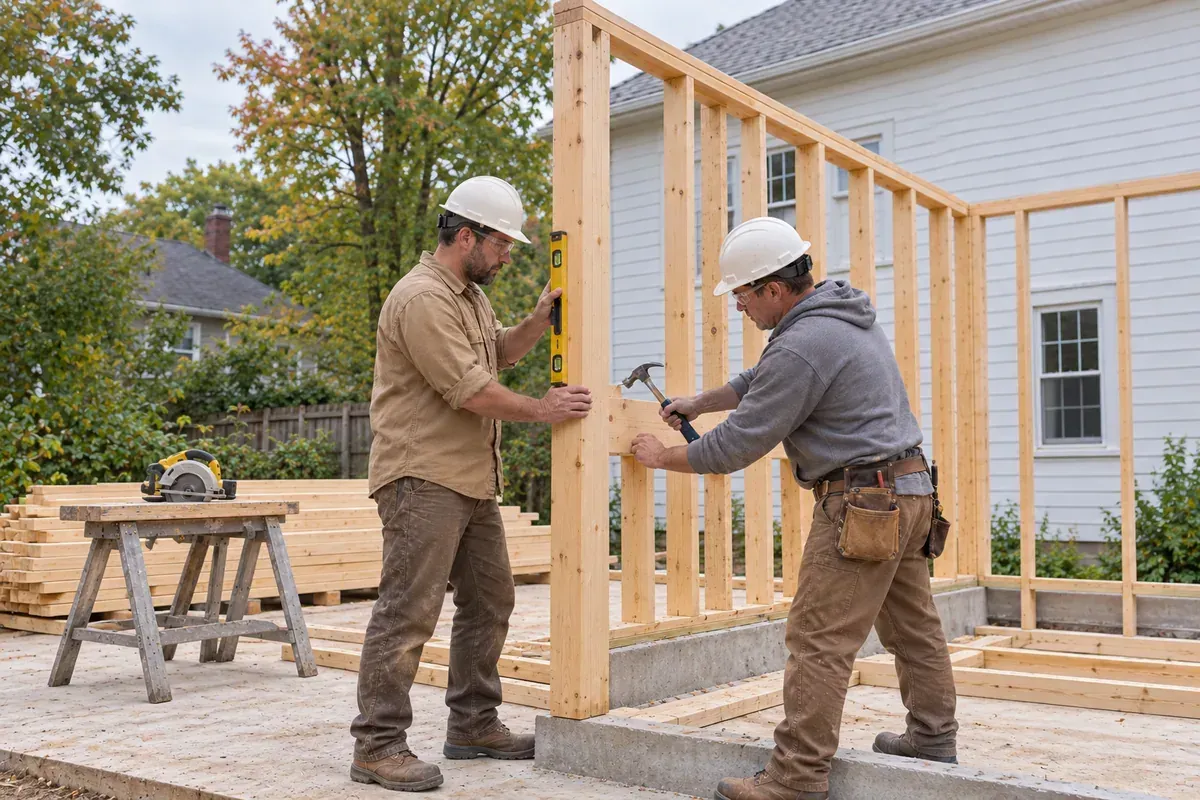
General contractors, remodelers, roofers, and trade crews. We cover the liability, tools, vehicles, and workers your jobs depend on.
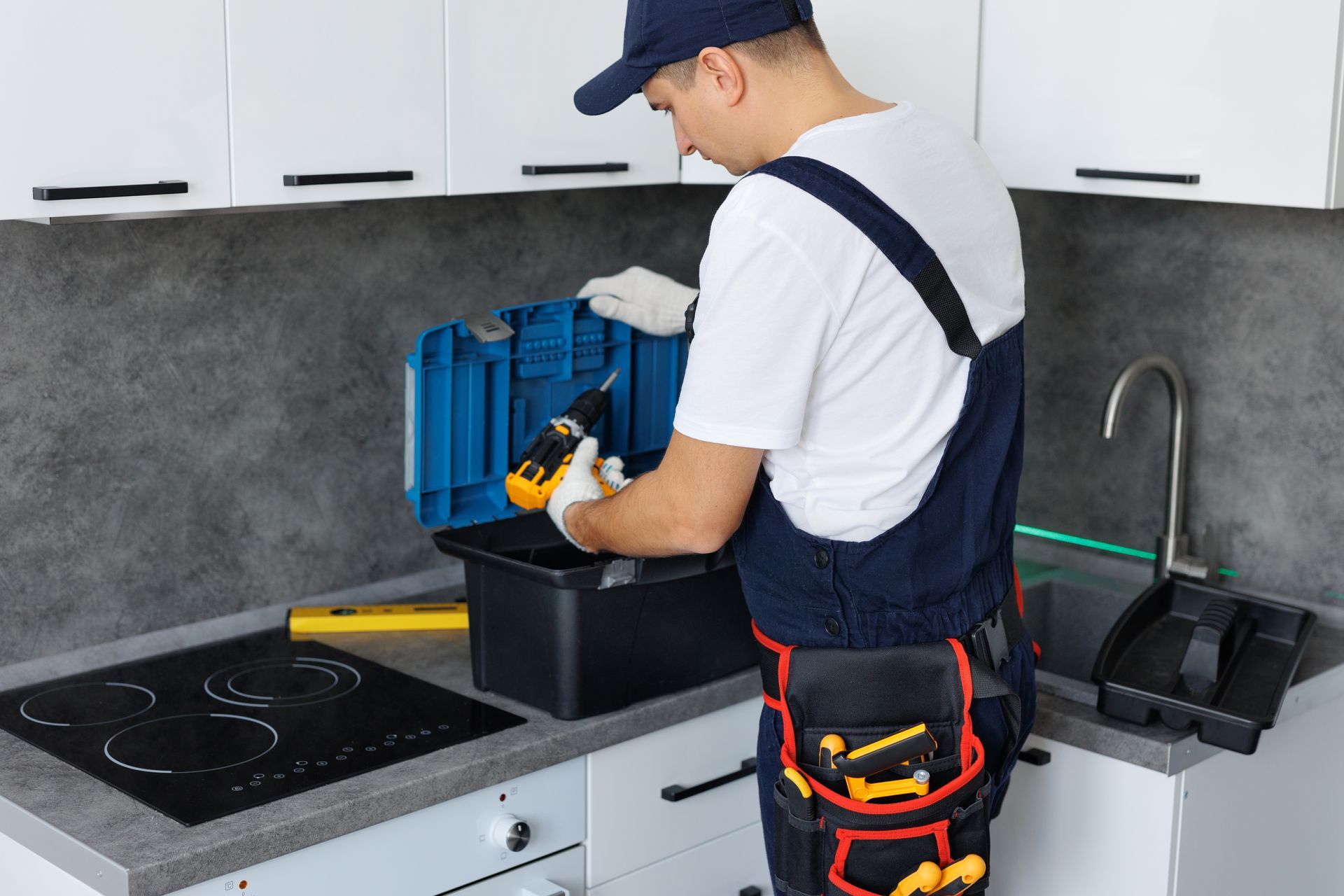
Plumber Insurance
Water damage claims follow plumbers everywhere. We cover your liability, your tools, your van, and your crew, job after job.

Restaurant Insurance
Kitchens, bars, and cafes face fire, spoilage, and slip risks. We package property, liability, and liquor coverage in one plan.
5-Star Rated on Google
What our clients say
Our clients say it best. Here is what they share about working with Josh, Dave, and the MVP team.
Contractors & Tradesmen
General contractors, roofers, electricians and plumbers. We cover liability, tools, vehicles and crews so every job stays protected.
Insurance Tips & News
Insurance tips for Ohio and Pennsylvania families and businesses
Practical ideas for protecting what matters to you.
Insurance Questions, Answered
Questions our clients ask
A little clarity can make your next step easier.
What does an independent insurance agency do?
An independent agency works with multiple insurance companies. We compare your options, explain the differences, and help you choose coverage that fits your needs.
Can MVP Insurance quote both my home and auto?
Yes. We can compare home and auto insurance options together. We explain available discounts and check how the policies work together.
Do you insure businesses in Ohio and Pennsylvania?
Yes. We help businesses in both states compare options for property, liability, employees, and commercial vehicles. The right policy depends on your work and the risks involved.
How do I import my current policy for a quote?
Use our Canopy policy import link to share your current policy information. Our team can then review your existing coverage and compare options with you.
How do I report a claim or make a payment?
Visit our Client Center for billing and claims information. You can also call either office for help finding the right carrier contact.
How often should I review my insurance?
Review your coverage each year and after a major change, such as a move, new vehicle, or business expansion. Tell us what changed so we can help you check your protection.


Covington office, Monday through Friday
Call
614 E. Boston St., Covington, LA 70433
58418 Tyler Drive, Slidell, LA 70461
Request Your Free Quote
Let's make insurance simple for you
Tell us what you need. We will help you explore your options.