

Owner, MVP Insurance
Pennsylvania landlord insurance protects a home you rent to someone else. In most cases, that means a dwelling fire policy (usually a DP-3) that covers the structure, replaces lost rent after a covered loss, and pays legal costs if a tenant or guest is hurt. Watch the vacancy clause, and insure duplexes with both units in mind.
That's the short version. The longer version matters because the gaps in rental coverage rarely show up until a claim. Think of a burst pipe in a Cranberry duplex that sat empty for ten weeks, or a slip on icy steps in Lawrenceville that turns into a lawsuit. Those are the moments when the fine print decides who pays.
This guide covers each piece in plain language, from policy forms to the local issues that come with renting property in western Pennsylvania.
Understanding Pennsylvania Landlord Insurance for Rental Properties
Landlord insurance is property and liability coverage built for a home you own but don't live in. A standard homeowners policy assumes the owner sleeps under that roof. Once you move out and a tenant moves in, the insurer's risk changes, and your old homeowners policy may not respond to a claim at all. That surprises plenty of accidental landlords, such as people who kept their first house after buying a second one.
A rental policy typically protects three things:
- The building itself, including attached structures like a porch or garage
- Your rental income, if a covered loss forces tenants out
- Your liability, if someone is injured and blames the property's condition
Expect to pay more than you did as an owner-occupant. One discussion among property owners suggests rental coverage often runs 15% to 25% higher than homeowners insurance, mostly because tenants file more claims and rentals carry more liability exposure. Treat that range as a rough guide, since your actual price depends on age, location, and claim history.
Rates in Pennsylvania are also shaped by regulation. As of April 12, 2026, the Pennsylvania Insurance Department loosened filing rules on many property lines, but personal risk and commercial property insurance still fall under prior approval. In practice, carriers can't change those rates overnight, which keeps pricing steadier than in some neighboring states.
MVP Insurance was founded in 2008 by Josh Medure and David Varrati to serve local property owners. As an independent agency, MVP compares rental policies from multiple carriers rather than selling one company's product.

On this page
MVP Insurance is a local, independent agency, licensed to serve individuals and businesses across Ohio and Pennsylvania.
We serve clients from our offices in New Springfield and Zelienople and throughout Northeast Ohio and Western Pennsylvania, working with multiple carriers to help homeowners, drivers, renters and condo owners, landlords, contractors, restaurant owners, shop owners, auto repair shops, professional offices and many other personal and commercial clients find coverage that fits.
Written By
David Varrati
Owner, MVP Insurance
Owner, MVP Insurance
On this page
Umbrella
An umbrella policy adds liability protection above the limits on your home and auto policies. One serious accident can cost more than those limits, and the umbrella is what stands between the claim and your savings.
Dwelling Fire Policies: Choosing Between DP-1 and DP-3 Forms
For most modern rentals, a DP-3 is the right choice. A DP-1 is a bare-bones policy that makes sense only in narrow situations, such as an older property you'd never fully rebuild.
Dwelling fire policies come in standardized forms. The DP-1, or "basic form," covers a short list of named perils: fire, lightning, internal explosion, and, if you add them, windstorm, hail, and a few others. If the cause of loss isn't on the list, there's no coverage. Many DP-1 policies also settle claims at actual cash value, which subtracts depreciation from what the carrier pays you.
The DP-3, or "special form," flips that logic. It covers the dwelling against all risks of direct physical loss unless the policy specifically excludes them. Common exclusions include flood, earth movement, wear and tear, and neglect. A DP-3 usually pays replacement cost on the structure, so a 20-year-old roof destroyed by a covered peril gets replaced without a big depreciation deduction.
Here's where landlords get burned. A DP-1 on a Butler County farmhouse looks fine until a tenant's washing machine hose bursts and soaks the first floor. Sudden water damage isn't a named peril on many basic forms, so the owner pays out of pocket. On a DP-3, that same claim is typically covered.
A DP-1 still has a place. It can fit a low-value property, a home awaiting renovation, or a building a carrier won't write on a broader form. If you own a primary home alongside your rentals, our overview of personal insurance in Pennsylvaniaexplains how the pieces fit together.
Written By
David Varrati
Owner, MVP Insurance
Owner, MVP Insurance
On this page
Where you live
Your ZIP code sets the base for both home and auto: weather patterns, repair costs, traffic density and local claim history all feed into it. Distance to a fire station and hydrant matters for the home policy.
Where you live
Comparing Coverage Options and Policy Limits
The two forms differ most in three areas: which losses they cover, how they pay, and what extras they include. The table below lays it out.
| Feature | DP-1 (Basic) | DP-3 (Special) |
|---|---|---|
| Covered perils | Named perils only | All risks, minus exclusions |
| Building settlement | Usually actual cash value | Usually replacement cost |
| Sudden water damage | Often excluded | Usually covered |
| Theft/vandalism | Optional, limited | Typically included |
| Loss of rent | Often optional | Usually included |
| Liability | Often an add-on | Add-on or included |
| Best fit | Older, low-value homes | Most modern rentals |
| PA legal requirement | None by state law | None by state law |
The settlement method deserves a closer look. Actual cash value pays what the damaged item was worth on the day of the loss, after depreciation. Replacement cost pays what it costs to rebuild with similar materials today. On a kitchen fire in a 1950s Pittsburgh rowhouse, that gap can easily reach tens of thousands of dollars.
Pennsylvania doesn't require landlords to carry insurance. Your mortgage lender almost certainly does, though, and lenders usually want the dwelling insured to at least the loan balance or its replacement cost. Some property managers and HOAs set their own minimums, especially for liability.
Set your dwelling limit at what it would cost to rebuild, not at market value or what you paid. A Zelienople duplex that sold for a modest price can still cost far more to reconstruct with current labor and lumber prices. Underinsure, and you may face a coinsurance penalty that shrinks your payout.
Written By
David Varrati
Owner, MVP Insurance
Owner, MVP Insurance
On this page
Umbrella Coverage
An umbrella policy typically kicks in once your underlying auto or home liability is exhausted. Picture a multi-car accident where injuries run well past your auto limit, or a guest seriously hurt on your deck. Umbrellas often cover claims your base policies don't, like certain libel or slander suits. The catch: carriers usually require minimum underlying limits, so your auto and home policies must be set correctly first.
The Role of Umbrella and Life Insurance in a Comprehensive Plan
Loss of Rent Coverage and Fair Rental Value
Loss of rent coverage replaces the income you lose when a covered peril makes your rental unlivable. It keeps money coming in while repairs happen, so you can still pay the mortgage, taxes, and utilities.
Picture a kitchen fire that forces your tenants out for four months. You still owe the bank every month, and the property taxes don't pause. Without this coverage, a $1,400-per-month rental becomes a $5,600 hole before you count the repairs. Fair rental value coverage pays you the rent you would have collected, minus expenses that stop while the unit sits empty.
A few details decide how well this coverage actually works:
- The trigger must be a covered loss. If a tenant simply stops paying, this coverage won't help. Nonpayment is a lease issue, not an insurance claim.
- Limits can be a dollar amount or a time period. Some policies cap payments at 12 months, while others use a set percentage of the dwelling limit.
- Your documentation matters. Keep signed leases and rent receipts so you can prove the income you lost.
Here's a mistake we see often: landlords pick a rent limit when they buy the policy, then raise rents over the next few years without updating it. If your coverage assumes $1,100 a month and you now charge $1,500, the policy pays only what it promised. Review the figure every time a lease renews.
Civil authority provisions are another nuance. If a fire next door leads officials to bar entry to your building, some forms cover lost rent even though your unit wasn't damaged. Ask whether yours includes it.
Written By
David Varrati
Owner, MVP Insurance
Owner, MVP Insurance
On this page
04
Review, bind, and relax
Once you approve, we bind the policies, send your ID cards and set a reminder for next year's review.
Liability for Tenant Injuries and Legal Defense
Landlord liability coverage pays for injuries that happen on your property and are tied to its condition. It also pays to defend you in court, even when the claim is weak.
Most claims come from ordinary problems: a loose stair tread, a broken handrail, an icy walkway the lease said you'd salt, or a smoke detector that didn't work. A delivery driver who trips on a cracked sidewalk outside your duplex can sue just as easily as your tenant can. The coverage typically handles medical bills, settlements, judgments, and attorney fees.
Legal defense is the part landlords underestimate. Defending a lawsuit can cost thousands before a judge ever hears the case. A good liability provision pays those costs on top of, or alongside, the claim itself, depending on the policy.
Tenant injury claims in Pennsylvania often turn on notice. Did you know about the hazard, or should you have? Keep records of repair requests and the dates you fixed each one. A dated text that says "handrail repaired Saturday" can carry real weight later.
Lead exposure creates a specific liability risk for older homes. Allegheny County requires landlords to provide an EPA-approved lead hazard pamphlet and a lead disclosure in the leasefor units built before 1978. Many liability policies exclude lead claims entirely, so compliance is your main protection.
Most landlord policies offer $300,000 to $500,000 in liability. If you own several properties or have significant assets, consider extra protection through
umbrella insurance in Pennsylvania, which sits above your underlying limits.
Written By
David Varrati
Owner, MVP Insurance
Owner, MVP Insurance
On this page
The Role of Umbrella and Life Insurance in a Comprehensive Plan
Vacancy Rules and the 60 Day Clause
Many rental policies include a vacancy clause that kicks in once a home has been empty for 60 consecutive days. After that, coverage for vandalism, glass breakage, and sometimes water damage can shrink or disappear.
This clause causes more denied rental claims than almost anything else. A landlord evicts a tenant in March, takes their time with renovations, and lists the unit in June. In May, someone breaks windows and strips copper pipe from the basement. Because the house sat vacant for more than 60 days, the vandalism coverage was gone.
Insurers also draw a line between two words that sound alike:
- Unoccupied usually means furnished but empty, like a home between tenants with furniture still inside.
- Vacant usually means no people and no furniture, or not enough contents to live there.
Pennsylvania insurers often treat vacant homes as higher risk than unoccupied ones and price them that way. The exact definitions vary by policy, so read yours instead of assuming.
If you know a property will sit empty, call your agent before the 60-day mark. Options include a vacancy permit endorsement, which keeps coverage in place for a set period, or a separate vacant dwelling policy during a long renovation. Some carriers also ask you to winterize the plumbing or keep the heat at a minimum temperature during cold months.
The clock matters more than people think. Keep a simple log of move-out dates, contractor visits, and showings. If a claim happens, that record helps establish exactly how long the home was empty.
Written By
David Varrati
Owner, MVP Insurance
Owner, MVP Insurance
On this page
04
Review, bind, and relax
Once you approve, we bind the policies, send your ID cards and set a reminder for next year's review.
| Coverage | What It Protects | Common Gap to Watch |
|---|---|---|
| Homeowners | Dwelling, belongings, liability | High wind/hail deductibles |
| Renters | Belongings, liability, living costs | Low liability limits |
| Auto | Vehicle damage, injury liability | State minimum limits only |
| Motorcycle | Bike, gear, liability | Custom parts excluded |
| Boat | Hull, motor, liability on water | Trailer or navigation limits |
| Umbrella | Excess liability above other policies | Underlying limits too low |
| Life | Income replacement for family | Only employer coverage |
MVP Insurance is a local, independent agency, licensed to serve individuals and businesses across Ohio and Pennsylvania.
We serve clients from our offices in New Springfield, Ohio and Zelienople, Pennsylvania and throughout Northeast Ohio and Western Pennsylvania, working with multiple carriers to help contractors, landlords and real estate investors, restaurants, retail shops, auto repair shops, professional offices and many other personal and commercial clients find coverage that fits.
Insuring Duplexes and Multi-Unit Rentals in Pittsburgh and Butler County
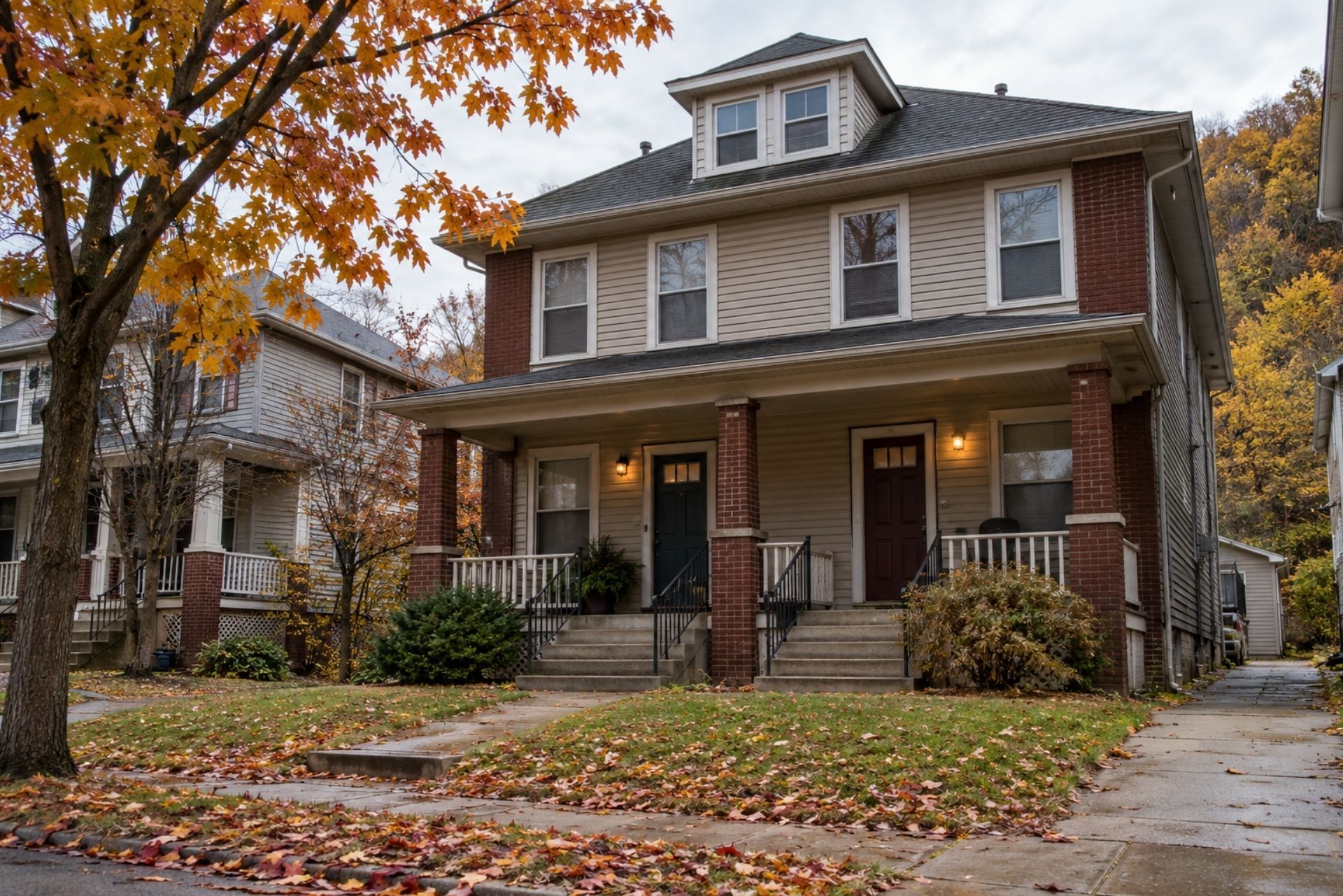
A duplex is usually insured on a single dwelling fire policy that covers both units, with liability and loss of rent sized for two separate rent streams. Most carriers write up to four units on a dwelling form before you move into commercial coverage.
Owner-occupied duplexes complicate things. If you live in one side and rent the other, you may qualify for a homeowners policy with a rental endorsement instead of a dwelling fire policy. If you move out, the policy needs to change. Owners who skip that call risk a coverage dispute on their next claim.
Rent limits should reflect both units. If one side brings in $1,200 and the other $1,050, set loss of rent coverage to the combined figure, because a fire in a shared wall or roof can empty the whole building. Shared spaces like basements, laundry rooms, and stairwells also raise the liability exposure, since both households and their guests use them.
Our Zelienople office at 108 E Grandview Ave works with landlords across Butler County and the North Hills. The New Springfield office serves owners near the Ohio line, which helps if your properties sit in both states. MVP's older blog posts on landlord rules cover related topics, but this page is now the main resource.
Local Risks in Zelienople and Butler County
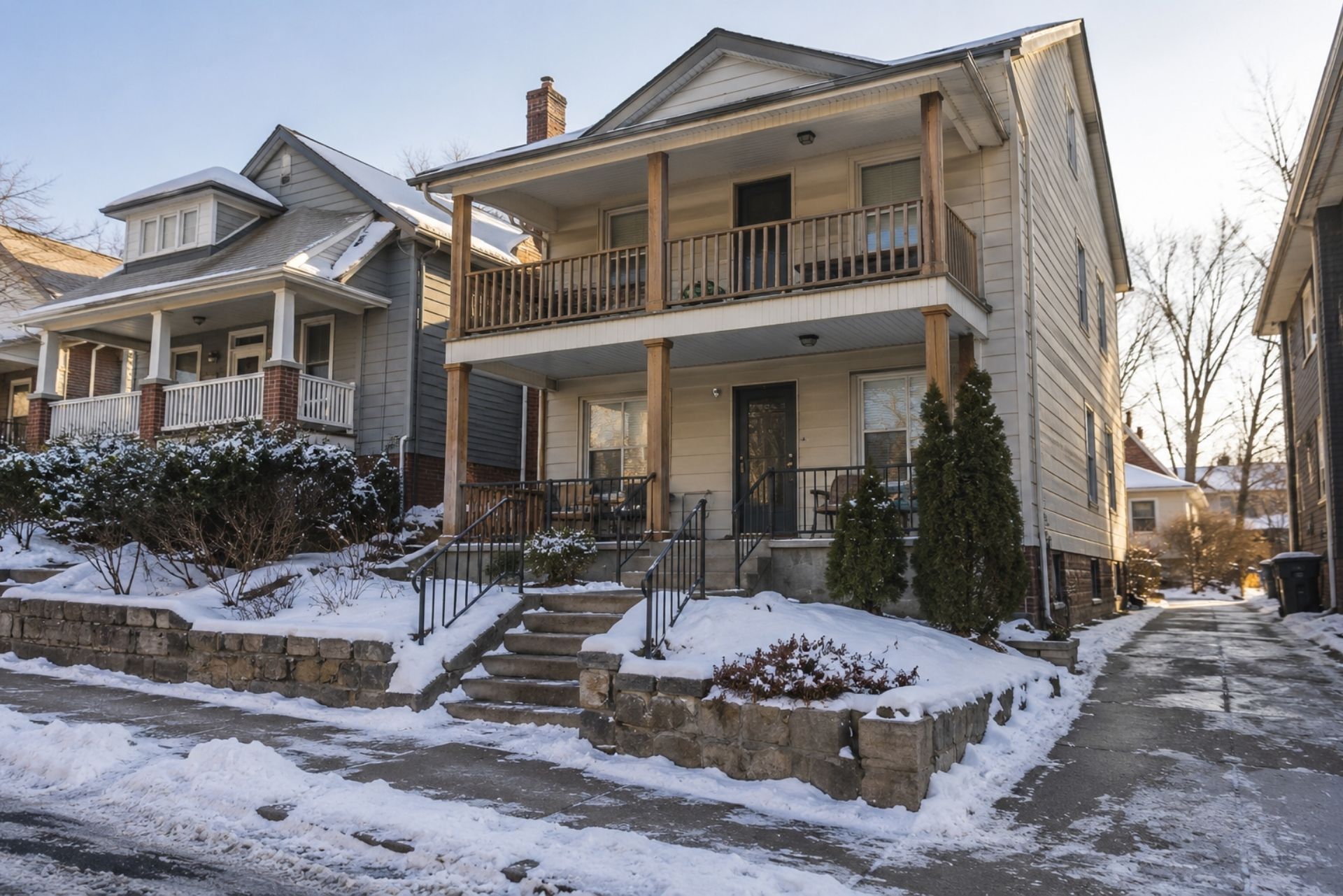
Butler County rentals are often older farmhouses, converted single-family homes, or duplexes in boroughs like Zelienople, Harmony, and Evans City. Frozen pipes are a recurring winter claim, especially in homes with crawl spaces or unheated additions. Older electrical systems can also affect eligibility, since some carriers hesitate to write homes with knob-and-tube wiring or fuse panels.
Rural properties may sit far from a fire hydrant or station, which can raise premiums. Keep updated photos of the roof, furnace, and electrical panel. Carriers increasingly ask for them, and good documentation speeds up underwriting.
Pittsburgh Urban Rental Considerations
Pittsburgh's rental stock skews old, so lead rules apply to many units. The city's lead safety law requires lead-safe certification for rentals built before 1978, on top of the county's disclosure requirements. Keep your certification current, because a lapse can undermine your defense if a tenant files a claim.
Steep hills, retaining walls, and exterior staircases also create injury risks you won't see much in the suburbs. Attached rowhouses mean a neighbor's fire can become your claim, which makes replacement cost and loss of rent coverage especially valuable.
Written By
David Varrati
Owner, MVP Insurance
Owner, MVP Insurance
On this page
The Role of Umbrella and Life Insurance in a Comprehensive Plan
Frequently Asked Questions About PA Rental Insurance
Is landlord insurance required in PA? Pennsylvania law doesn't require it. If you have a mortgage, your lender almost certainly will, and going without coverage puts your property and savings at risk.
Does landlord insurance cover tenant belongings? No. Your policy covers the building and your own property, such as appliances you provide. Tenants need their own renters insurance, and many landlords require it in the lease.
Can I use my homeowners policy for a rental house? Usually not once you move out. Homeowners policies assume owner occupancy, so tell your agent before a tenant moves in to avoid a denied claim.
What happens if my rental sits empty for a few months? Many policies limit coverage after 60 days of vacancy, especially for vandalism and glass breakage. Ask about a vacancy endorsement before you reach that point.
Does landlord insurance pay if a tenant stops paying rent? Standard loss of rent coverage only applies after a covered physical loss, like a fire. Nonpayment is handled through the lease and eviction process, not your property policy.
Is a DP-1 or DP-3 better for a rental? A DP-3 suits most rentals because it covers more causes of loss and usually pays replacement cost. A DP-1 can work for older, lower-value homes.
Written By
David Varrati
Owner, MVP Insurance
Owner, MVP Insurance
On this page
04
Review, bind, and relax
Once you approve, we bind the policies, send your ID cards and set a reminder for next year's review.
| Coverage | What It Protects | Common Gap to Watch |
|---|---|---|
| Homeowners | Dwelling, belongings, liability | High wind/hail deductibles |
| Renters | Belongings, liability, living costs | Low liability limits |
| Auto | Vehicle damage, injury liability | State minimum limits only |
| Motorcycle | Bike, gear, liability | Custom parts excluded |
| Boat | Hull, motor, liability on water | Trailer or navigation limits |
| Umbrella | Excess liability above other policies | Underlying limits too low |
| Life | Income replacement for family | Only employer coverage |
Pittsburgh Urban Rental Considerations
Pittsburgh's rental stock skews old, so lead rules apply to many units. The city's lead safety law requires lead-safe certification for rentals built before 1978, on top of the county's disclosure requirements. Keep your certification current, because a lapse can undermine your defense if a tenant files a claim.
Steep hills, retaining walls, and exterior staircases also create injury risks you won't see much in the suburbs. Attached rowhouses mean a neighbor's fire can become your claim, which makes replacement cost and loss of rent coverage especially valuable.
Contact MVP Insurance for a Quote
Rental coverage comes down to a handful of decisions that carry real money: which policy form you pick, how you settle claims, whether your rent limit matches what tenants pay today, and what happens when a unit sits empty. Get those right, and a fire or lawsuit becomes a setback instead of a financial crisis. Get them wrong, and you often find out at the worst possible time.
If you own one rental or a dozen, a portfolio review can catch outdated limits, missing vacancy permits, and liability gaps before they cost you. Call our Zelienople office at (724) 453-1122 or our New Springfield office at (330) 707-9055. You can also start your quote online, and we'll compare options from multiple carriers for you.
This page replaces our older Specialty Dwelling content, so if you followed a link from that page, you're in the right place. MVP Insurance is licensed in Ohio (#37714) and Pennsylvania (#519263), NPN 10588293.
MVP Insurance is a local, independent agency, licensed to serve individuals and businesses across Ohio and Pennsylvania.
We serve clients from our offices in New Springfield, Ohio and Zelienople, Pennsylvania and throughout Northeast Ohio and Western Pennsylvania, working with multiple carriers to help contractors, landlords and real estate investors, restaurants, retail shops, auto repair shops, professional offices and many other personal and commercial clients find coverage that fits.
Our Owners
Two friends who started an agency
Owner
Joshua Medure
I am a Penn State marketing graduate with more than ten years in insurance. My childhood friend David and I started MVP Insurance in Northeast Ohio because we wanted the people around us to have an agency that gives honest advice, real choices and someone who picks up the phone. I lead the agency’s insurance strategy, which means I read the policies so our clients do not have to. Away from the office, I coach youth football.


About the Author
David Varrati
Owner, MVP Insurance
I started MVP Insurance with my childhood friend Josh because we wanted people in Northeast Ohio and Western Pennsylvania to have an agency that explains things plainly and picks up the phone. I studied Political Science at Slippery Rock University and have spent more than ten years helping families and individuals protect what matters to them. When I am not in the office, you will find me coaching youth sports.
Personal Insurance in Ohio & Pennsylvania
Coverage for your home, your car, and your family
Protect the everyday things that mean the most to you.
Homeowners Insurance
Your home is one of your most valuable assets. We compare carriers to protect the house, your belongings, and your liability.
Car Insurance
We proactively shop the market to find the best combination of coverage and price for every car in your driveway.
Renters Insurance
Own a condo or rent your home? We insure your unit, your belongings, and your personal liability at a fair rate.
Umbrella Insurance
Extra liability protection above your home and auto policies. Large coverage limits for a small added cost each year.
Life Insurance
Protect the people who rely on you most, so they can keep their home and lifestyle if the unexpected happens.
Flood Insurance
Standard home policies do not cover flooding. We help you add flood coverage through the NFIP or a private carrier before the water rises.
Business Insurance in Ohio & Pennsylvania
No matter how big or small your business, we protect it
Practical coverage for your people, your property, and the work you do.
General Liability
Business Owners Policy

Professional Liability
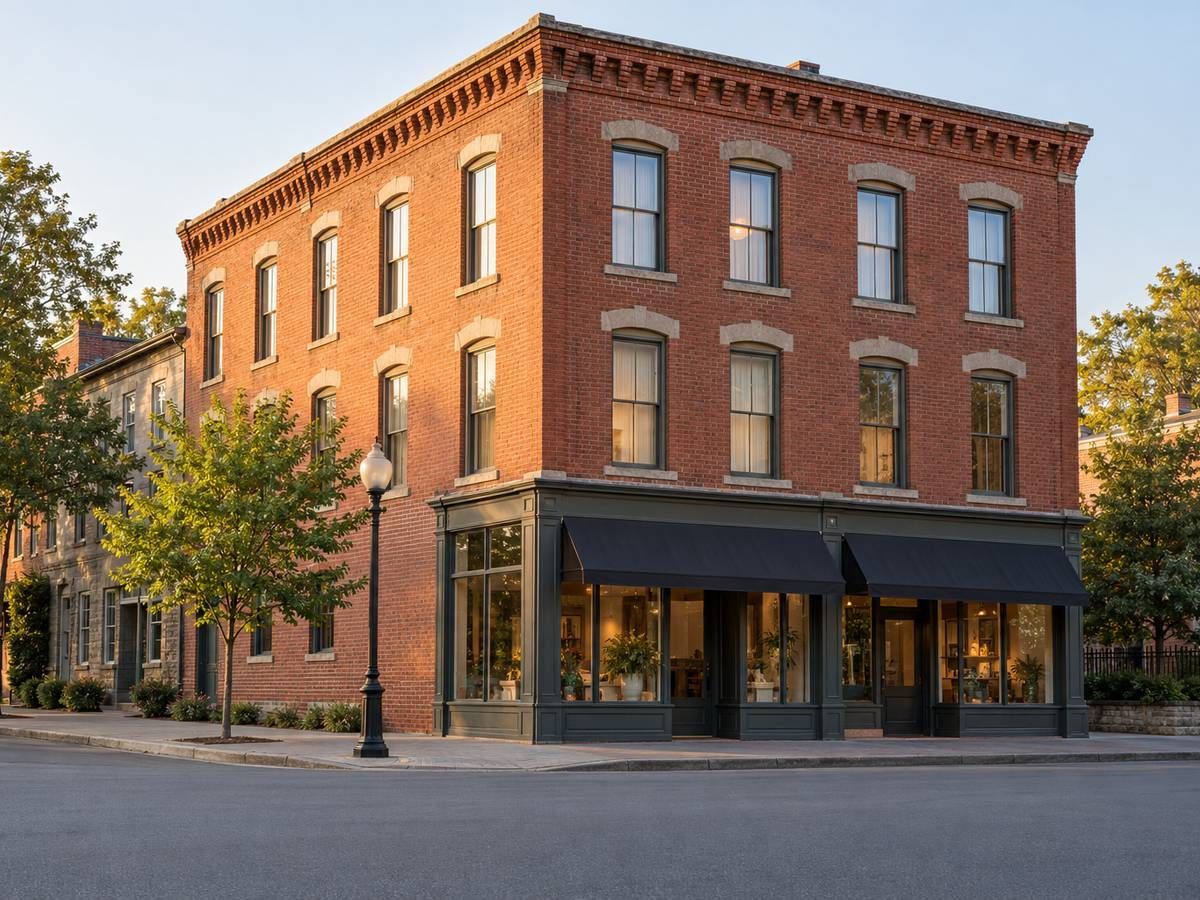
Commercial Property

Workers Compensation
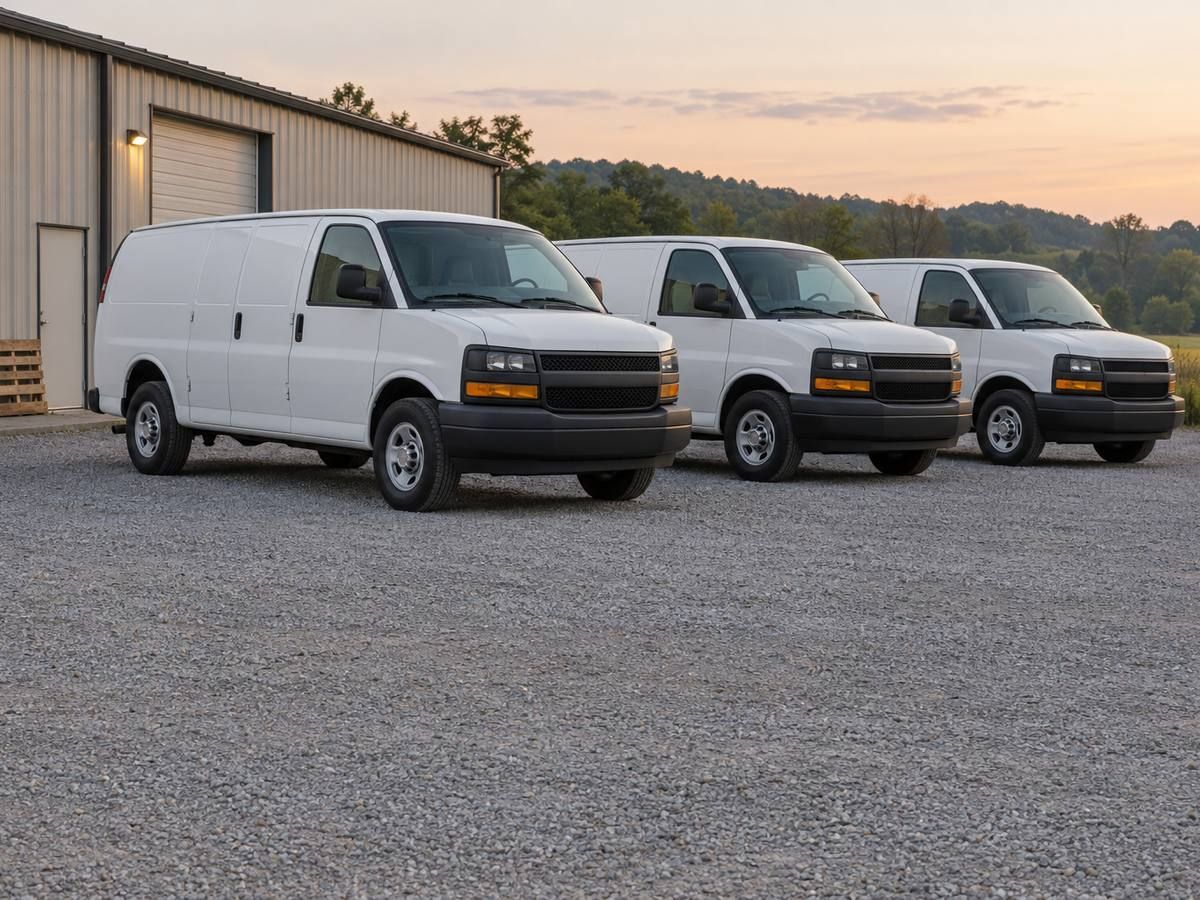
Commercial Auto
Industries We Serve
Insurance built around the work you do
Every industry carries different risks. We know the coverage each one needs and shop the carriers that write it well.

Contractors Insurance
General contractors, remodelers, roofers, and trade crews. We cover the liability, tools, vehicles, and workers your jobs depend on.

Plumber Insurance
Water damage claims follow plumbers everywhere. We cover your liability, your tools, your van, and your crew, job after job.

Restaurant Insurance
Kitchens, bars, and cafes face fire, spoilage, and slip risks. We package property, liability, and liquor coverage in one plan.
5-Star Rated on Google
What our clients say
Our clients say it best. Here is what they share about working with Josh, Dave, and the MVP team.
Contractors & Tradesmen
General contractors, roofers, electricians and plumbers. We cover liability, tools, vehicles and crews so every job stays protected.
Insurance Tips & News
Insurance tips for Ohio and Pennsylvania families and businesses
Practical ideas for protecting what matters to you.


Insurance Questions, Answered
Questions our clients ask
A little clarity can make your next step easier.
What does an independent insurance agency do?
An independent agency works with multiple insurance companies. We compare your options, explain the differences, and help you choose coverage that fits your needs.
Can MVP Insurance quote both my home and auto?
Yes. We can compare home and auto insurance options together. We explain available discounts and check how the policies work together.
Do you insure businesses in Ohio and Pennsylvania?
Yes. We help businesses in both states compare options for property, liability, employees, and commercial vehicles. The right policy depends on your work and the risks involved.
How do I import my current policy for a quote?
Use our Canopy policy import link to share your current policy information. Our team can then review your existing coverage and compare options with you.
How do I report a claim or make a payment?
Visit our Client Center for billing and claims information. You can also call either office for help finding the right carrier contact.
How often should I review my insurance?
Review your coverage each year and after a major change, such as a move, new vehicle, or business expansion. Tell us what changed so we can help you check your protection.


Covington office, Monday through Friday
Call
614 E. Boston St., Covington, LA 70433
58418 Tyler Drive, Slidell, LA 70461
Request Your Free Quote
Let's make insurance simple for you
Tell us what you need. We will help you explore your options.