

Modernizing Home Systems for Lower Risk
Pennsylvania still offers homeowners insurance below the national average, but recent increases have been steep, and Western PA homeowners have felt it through storms and rising rebuilding costs. Your location sets the starting point. Your deductible, your roof and home systems, and how you use your policy decide much of the rest.
The most useful step is seeing real numbers side by side instead of accepting a single renewal at face value. MVP Insurance is an independent agency with offices in Zelienople, PA and New Springfield, OH, and the team compares multiple carriers so you don't have to. When you're ready, start your quote here and get a clearer picture of what your home should cost to insure.
MVP Insurance is licensed in Ohio (license #37714) and Pennsylvania (license #519263), NPN 10588293.
Defense costs are the part of a lawsuit nobody budgets for. Attorneys, expert witnesses, accident reconstructionists, and depositions add up fast, and a contested injury case can take a couple of years to resolve.
Most umbrella policies pay defense costs in addition to the policy limit, rather than eating into it, though wording varies by carrier. Many also provide defense for certain claims your underlying policy doesn't cover at all, such as some libel, slander, or false arrest allegations. That's a detail worth reviewing line by line before you buy, because it's often where two seemingly similar policies differ most.
Risk Rating 2.0 changed how Pennsylvania flood insurance is priced. Your bill now reflects your own house: its elevation, foundation, rebuild cost, and exposure to several kinds of flooding. River towns along the Susquehanna, Allegheny, and Monongahela are feeling it most, though the annual cap keeps increases gradual for most primary homes. The smart move is to understand your full risk-based rate, keep your policy active, and see whether private coverage fits your situation.
If your renewal jumped or you're buying near water, you can start your quote with MVP Insurance. We're an independent agency with offices in Zelienople, PA and New Springfield, OH, and we'll compare NFIP and private options for you. MVP Insurance is licensed in Ohio (#37714) and Pennsylvania (#519263), NPN 10588293.
Protecting Your Personal Policy Premium
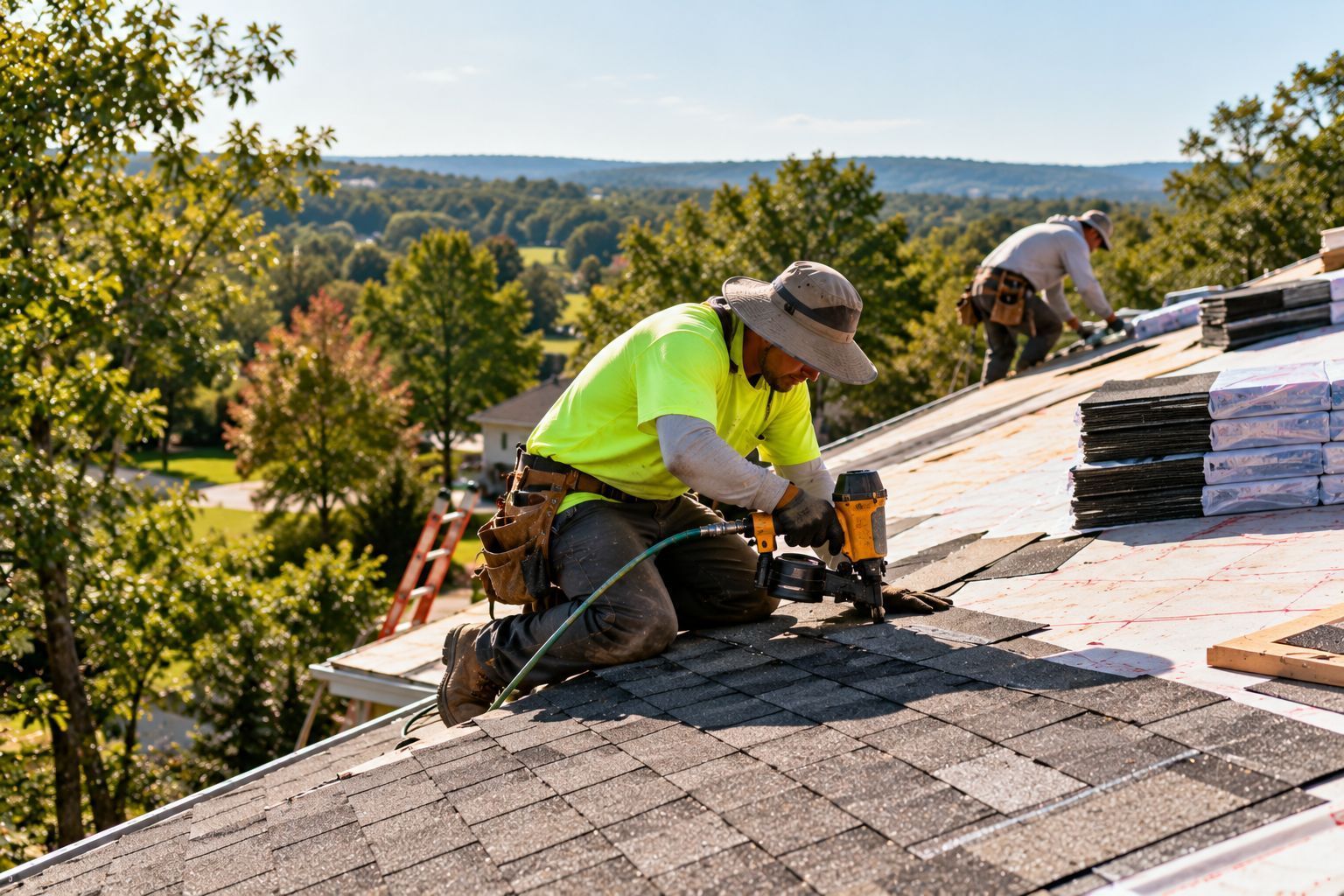
Yes, heat stroke is generally covered by workers' compensation in Pennsylvania when it happens on the job and job conditions caused it. A roofer who collapses on a 140-degree shingle deck, or a landscaper who goes down after hours of mowing in full sun, typically qualifies for medical care and wage-loss benefits.
This is no longer a rare event in Pennsylvania. Summers are running hotter, OSHA is paying closer attention to heat, and claim data shows outdoor trades taking the brunt of it. If you run a roofing or landscaping crew in Western Pennsylvania or anywhere else in the state, you need to know three things. First, when a heat claim holds up. Second, what a defensible prevention plan looks like. Third, how to bring someone back after a serious episode without a second trip to the ER.
Heat Illness and Workers Comp Claims for Pennsylvania Roofers and Landscapers
Pennsylvania treats heat illness like any other work injury: if it arises in the course and scope of employment, it's compensable. That covers heat exhaustion that needs an urgent care visit, heat stroke that lands someone in the ICU, and the kidney or cardiac complications that sometimes follow. Your carrier pays the medical bills and replaces part of the lost wages while the worker recovers.
Roofers and landscapers sit near the top of the risk list for obvious reasons. Their work is physical, outdoors, and often scheduled at the hottest point of the season. Pennsylvania claim data backs this up. Construction and landscaping carry the highest concentration of heat-related workers' compensation claims in the state. Heat-related claims as a share of all comp claims have also been climbing about 1.4% a year, with sharp spikes once temperatures pass 85°F.
There's a gap in state law that surprises a lot of contractors. Pennsylvania has no state-level heat standard for workers. One state legislator summed it up bluntly: "In Pennsylvania, we have laws to protect dogs and cats during extreme heat, but not humans." That doesn't leave employers off the hook. Federal OSHA rules still apply, and the comp system still pays for injuries regardless of whether a heat-specific rule exists.
If your crew works outdoors from May through September, make sure your pennsylvania workers comp insurance policy has the correct class codes and accurate payroll. Misclassified landscaping payroll filed under a lower-risk code is one of the most common problems we see at audit time. It turns a covered heat claim into a billing headache months later.
When Heat Stroke Is Compensable Under Pennsylvania Law
Heat stroke is compensable when the worker can show two things: it happened while working, and workplace conditions caused or substantially contributed to it. Pennsylvania courts generally treat heat-related illness as an accidental injury when the job created a hazard beyond what ordinary daily life involves.
That last part matters. Everyone in Pittsburgh deals with a hot July afternoon. A roofer tearing off asphalt shingles at midday is dealing with something else: radiant heat off the deck, heavy exertion, dark materials soaking up sun, and no shade for hours. That added exposure is what turns ordinary weather into a work-related hazard. A landscaper operating a riding mower over blacktop-adjacent lots faces the same kind of amplified exposure, often with engine heat on top.
These are the facts that usually make or break a heat claim:
- Timing: Symptoms began on the job or shortly after a shift, not days later.
- Work conditions: The task involved exertion, direct sun, reflective surfaces, or protective gear that traps heat.
- Medical documentation: ER records note heat stroke or heat exhaustion and connect it to the exposure.
- Prompt notice: The worker told a supervisor quickly. Pennsylvania has firm notice deadlines, and delays hand the carrier an easy argument.
- Witnesses: Crew members who saw the collapse or the warning signs.
Carriers do push back on some claims. A common argument is a preexisting condition, such as high blood pressure medication that affects heat tolerance. Under Pennsylvania's approach, aggravating a preexisting condition at work can still be compensable. The question is whether the job conditions contributed, not whether the worker was perfectly healthy beforehand.
Disputes also come up over off-hours activity. Think of a worker who played softball in the heat the evening before. Clear incident reports filed the same day are your strongest protection against that kind of muddy causation fight.
Identifying Heat-Related Injuries in Outdoor Trades
Heat exhaustion and heat stroke are different conditions, and confusing them can be dangerous. Heat exhaustion is the warning stage. Heat stroke is a medical emergency where the body's cooling system fails.
| Sign | Heat Exhaustion | Heat Stroke |
|---|---|---|
| Skin | Cool, pale, clammy, heavy sweating | Hot, red, may be dry or still sweating |
| Mental state | Alert, maybe dizzy or weak | Confused, slurred speech, may pass out |
| Body temperature | Elevated but not extreme | Very high |
| Other symptoms | Nausea, headache, cramps, thirst | Seizures, collapse, rapid pulse |
| Response | Shade, water, rest, monitor | Call 911, cool immediately |
On a roof, the warning signs often get missed. Workers are spread out, focused on footing, and reluctant to slow the crew down. A roofer who looks "a little off" near an edge is a fall risk as well as a heat risk. That's why some claims that start as heat illness end up as fracture claims. Landscapers face a different problem. They often work solo or in pairs across large properties, so nobody notices when someone sits down in a truck and doesn't get back up.
Carriers like Erie or Westfield look at the environmental details when they evaluate these claims. Adjusters typically want to know the temperature and humidity that day, the specific task, how long the worker had been on site, and what breaks or water were available. A claim file that includes the heat index, a timeline, and the supervisor's notes moves faster. Files that say only "worker felt sick" invite follow-up questions and delays.
One practical habit helps a lot. Train foremen to write down the time, task, and symptoms the moment someone reports feeling unwell, even if the worker insists they're fine. That five-minute note often becomes the most useful document in the file.
Prevention Plans for Roofing and Landscaping Crews
A working heat prevention plan comes down to three things: scheduled water breaks, real shade, and a gradual acclimatization period for anyone new to the heat. Write it down, train on it, and keep records showing your crews actually follow it.
Enforcement is the reason documentation matters more than ever. OSHA issued a revised National Emphasis Program for outdoor and indoor heat hazards on April 10, 2026, and it runs through 2031. Heat-related inspections have jumped from roughly 200 to about 2,400 a year nationwide as of this writing. Roofing and landscaping contractors should expect inspectors to ask for a written plan.
High-risk employers are increasingly expected to keep a site-specific Heat Injury and Illness Prevention Plan (HIIPP). These plans name a designated Heat Safety Coordinator, someone on each crew with the authority to stop work when conditions turn dangerous. That role matters on roofing crews especially, where the pressure to finish a tear-off before rain can override common sense.
Good records also pay off on the insurance side. Fewer and less severe claims improve your experience modification rate over time. Carriers such as Liberty Mutual or Frederick Mutual also look more favorably at contractors who can show a documented safety program at renewal.
OSHA Water, Rest, and Shade Standards
OSHA's long-standing guidance for outdoor workers rests on a simple message: water, rest, shade. In practice, a crew plan should include:
- Water: Cool water within easy reach of the work area, not back at the shop. On roofs, that means getting coolers up top or right at the ladder base.
- Rest: Scheduled breaks that increase as the heat index climbs. Don't leave them to individual judgment.
- Shade: Pop-up canopies, trucks with running AC, or tree cover. A cab with the engine off doesn't count.
- Buddy system: No one works alone in high heat. Pair landscapers on remote properties.
- Emergency plan: Every crew knows the site address, the nearest hospital, and how to start cooling someone down.
Keep a simple daily log noting the heat index and the break schedule used. It takes two minutes and answers the first question both OSHA and your adjuster will ask.
Acclimatization Strategies for New Hires
New and returning workers are the most vulnerable, and most serious heat incidents happen in the first days on the job. Proper acclimatization typically takes 7 to 14 days. A common approach is to start new hires at a reduced share of full heat exposure and build up each day.
For a landscaping company hiring seasonal help in May, that might mean putting new workers on morning shifts or lighter tasks for the first week. Roofers coming off a winter of indoor work need the same ramp-up, even if they have ten years of experience. Bodies lose heat tolerance over a few weeks away, so a heat wave in early June can catch an entire veteran crew unprepared.
Comparing Coverage and Safety Requirements
Carriers that write outdoor contractors don't all ask for the same things. Underwriting standards, documentation expectations, and loss-control involvement vary. The table below shows the general patterns we see when quoting roofing and landscaping risks. Specific requirements change by account, payroll size, and claims history.
| Factor | Erie | Westfield | Liberty Mutual | Frederick Mutual |
|---|---|---|---|---|
| Written safety program | Typically requested for roofing | Often reviewed at underwriting | Commonly expected for larger payrolls | Typically requested |
| Heat plan documentation | Helps at renewal | Can support favorable review | May involve loss-control visits | Helps show risk management |
| Fall protection proof (roofing) | Usually required | Usually required | Usually required | Usually required |
| Employer's liability limits | Standard options, higher available | Standard options, higher available | Higher limits often available | Standard options |
| Claims history weight | Significant | Significant | Significant | Significant |
As an independent agency, MVP Insurance works with these carriers as an agent. We are not the carrier. That means we can see how a roofing contractor's safety documentation lands differently with different underwriters, and we can match the account accordingly.
Some coverage gaps show up again and again with outdoor contractors:
- Uninsured subcontractors: A heat stroke claim from a sub's uninsured worker can fall back on your policy at audit.
- Owner exclusions: An owner who excludes themselves and works on the roof has no comp coverage if they collapse.
- Seasonal payroll swings: Underreporting summer payroll leads to large audit bills.
- Low employer's liability limits: If a heat incident turns into a lawsuit, thin limits can leave you exposed.
Managing the Return to Work Process After Heat Illness
A worker recovering from heat stroke needs written medical clearance before going back to the job site. Even with clearance, the return should be gradual. The body's heat tolerance often stays reduced for a while after a serious episode, and a second heat injury can be worse than the first.
Return after heat stroke is a structured decision. It usually includes a 7 to 14 day re-acclimatization period, regardless of how experienced the worker is. A 20-year roofing foreman gets the same ramp-up as a first-season laborer. Contractors who skip this step because "he knows what he's doing" are the ones who end up with reopened claims.
Communication keeps the process on track. The employer, the worker, the treating doctor, and the adjuster should all know the restrictions and the expected timeline. When MVP Insurance clients go through a return to work, our team helps coordinate with the carrier so everyone has the same information. That includes when partial wage benefits apply during light duty. Our 24/7 claims service means you can report an incident on a Saturday afternoon in July, which is exactly when these things happen.
Keep the worker involved, too. Many people coming back from heat stroke feel embarrassed or anxious about getting back on a roof. An honest conversation about the plan and the schedule tends to work better than pushing them back to full speed.
Modified Duty and Sun Exposure Restrictions
Modified duty keeps a recovering worker earning wages and connected to the crew. It also usually lowers the overall cost of the claim. Practical options for outdoor trades include:
- Ground work for roofers: Material staging, cleanup, or running the dumpster area in shaded spots.
- Early shifts: Work from dawn to late morning, done before peak heat.
- Shop or yard duty: Equipment maintenance, inventory, or estimating support.
- Lighter landscaping tasks: Planting or irrigation checks in shaded areas instead of mowing open lots.
Write the restrictions down, match them to the doctor's notes, and stick to them. When a "light duty" worker ends up back on the roof by noon because the crew is short, any clean claim becomes a mess.
Common Questions About Heat Illness Claims
These are the questions Pennsylvania contractors and their workers ask most often about heat injuries and comp coverage.
Is heat stroke covered by workers' comp in Pennsylvania? Yes, in most cases. If heat stroke happens while working and job conditions caused or contributed to it, Pennsylvania workers' comp typically covers medical care and part of lost wages.
Can my employer deny a heat exhaustion claim if I have a health condition? A preexisting condition doesn't automatically disqualify you. If work conditions aggravated it or contributed to the heat illness, the claim can still be compensable in Pennsylvania.
How long before a roofer can go back to work after heat stroke? It depends on medical clearance, but the return is usually followed by a 7 to 14 day re-acclimatization period. Most workers start with modified duty or limited sun exposure before going back to full roofing work.
Keeping Your Crew Safe and Your Coverage Solid
Heat claims in Pennsylvania's outdoor trades follow a predictable pattern. They spike on the hottest days, they hit new and returning workers hardest, and they get messy when documentation is thin. Contractors who handle them well usually do the same few things. They write a real prevention plan, name someone on each crew to enforce it, keep daily logs, and treat return to work as a gradual process.
On the coverage side, accurate class codes, honest payroll reporting, and adequate employer's liability limits matter as much as anything you do on the job site. If you haven't looked at your comp policy since last season, now is a good time, before the next heat wave.
MVP Insurance is an independent agency with offices in Zelienople, PA and New Springfield, OH. We compare options from multiple carriers so roofing and landscaping contractors get coverage that fits how they actually work. When you're ready, you can
start a quote and we'll handle the comparison. MVP Insurance holds Ohio license #37714, Pennsylvania license #519263, and NPN 10588293.
Search
Recent Posts
MVP Insurance is a local, independent agency, licensed to serve individuals and businesses across Ohio and Pennsylvania.
We serve clients from our offices in New Springfield, Ohio and Zelienople, Pennsylvania and throughout Northeast Ohio and Western Pennsylvania, working with multiple carriers to help contractors, landlords and real estate investors, restaurants, retail shops, auto repair shops, professional offices and many other personal and commercial clients find coverage that fits.
Our Owners
Two friends who started an agency
Owner
Joshua Medure
I am a Penn State marketing graduate with more than ten years in insurance. My childhood friend David and I started MVP Insurance in Northeast Ohio because we wanted the people around us to have an agency that gives honest advice, real choices and someone who picks up the phone. I lead the agency’s insurance strategy, which means I read the policies so our clients do not have to. Away from the office, I coach youth football.
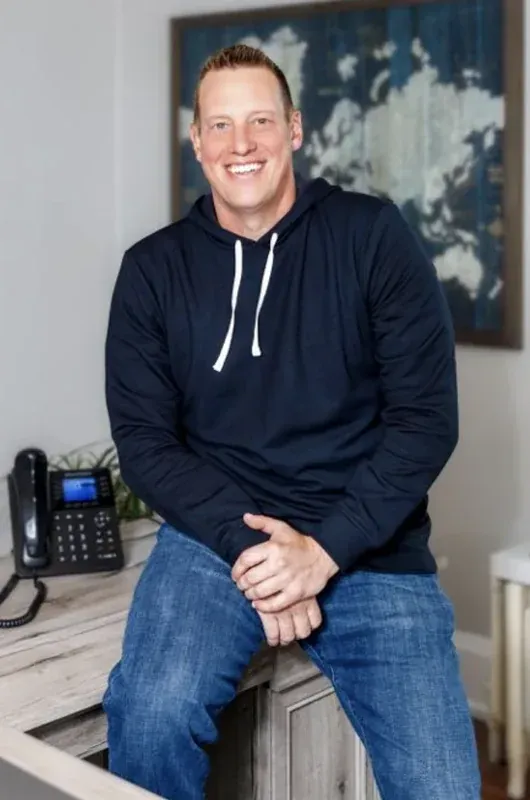

About the Author
David Varrati
Owner, MVP Insurance
I started MVP Insurance with my childhood friend Josh because we wanted people in Northeast Ohio and Western Pennsylvania to have an agency that explains things plainly and picks up the phone. I studied Political Science at Slippery Rock University and have spent more than ten years helping families and individuals protect what matters to them. When I am not in the office, you will find me coaching youth sports.