

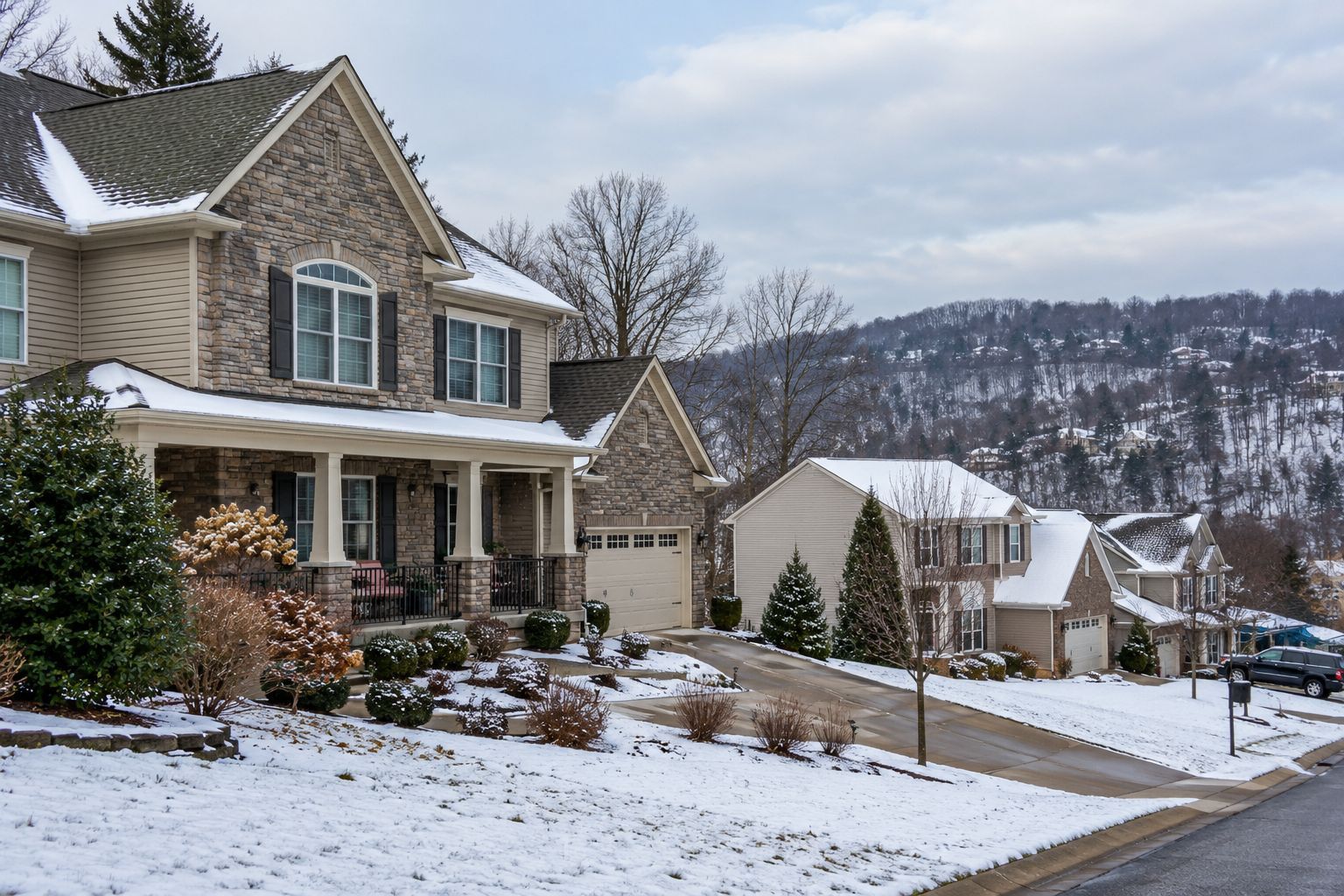
Most Pennsylvania homeowners pay noticeably less for coverage than people in many other states, but "less" has been climbing fast. If your renewal notice made you wince this year, you're not alone. Premiums across the Commonwealth have jumped in the last few years, and the increases haven't hit every county the same way.
How Much Is Homeowners Insurance in Pennsylvania
As of this writing, Pennsylvania homeowners insurance typically costs between $1,000 and $1,800 a year, with specific 2026 reports citing a statewide average of $1,380 (https://choosefi.com/insurance/home/home-insurance-pennsylvania), depending on where you live, how much your home would cost to rebuild, and the coverage you choose. Even after recent increases, the state still sits below the national average, which surprises a lot of people opening their renewals.
The gap is real. Pennsylvania's average annual premium runs roughly 28% below the national average. That's the good news. The less comfortable news is that the same research found the state saw a 44% cumulative increase between 2021 and 2024, the fourth-highest jump in the country.
Inflation alone doesn't explain it. Pennsylvania premiums rose 28.9% from 2021 to 2025 after adjusting for inflation, outpacing even home price appreciation. In plain terms, insurance has been eating a larger share of the cost of owning a home, and households that budgeted for their premium five years ago are often finding that number doesn't hold up anymore.
So where does your home fall inside that $1,000 to $1,800 band? A newer brick colonial in a suburb with a fire hydrant down the street will usually sit near the low end. A 1920s frame house with original wiring, a 20-year-old roof, and a prior water claim can push well past the top. The rest of this guide breaks down what drives that spread, starting with geography.
Average Premiums by Region Across the Commonwealth
Where you live in Pennsylvania matters about as much as what you live in. Urban density, local weather, theft rates, and the cost of hiring a contractor all vary from one region to the next, and insurers price every one of those factors into your rate.
Philadelphia generally sits at the higher end of the state range. Dense rowhome blocks mean a fire can spread from one property to the next, older housing stock brings plumbing and electrical risk, and theft and vandalism claims run higher than in rural areas. Homeowners in Southeast Pennsylvania saw carriers file rate adjustments ranging from 12% to 22% throughout 2025 and 2026, so many Philly-area families felt two consecutive renewal increases.
Harrisburg and the surrounding Capital Region usually price closer to the middle. The housing is a mix of older city homes and newer suburban construction, and the area has its own exposure to Susquehanna River flooding. That flood risk doesn't show up in a standard homeowners premium (flood is excluded from most policies), but it shapes how carriers view the region overall.
The Lehigh Valley tends to land in a moderate range too, though fast suburban growth around Allentown, Bethlehem, and Easton has pushed rebuilding costs up. Newer subdivisions often help, since modern construction and updated systems earn better pricing. Winter storms, ice dams, and wind are the claims that show up most often there.
A few patterns hold statewide:
- Dense cities cost more because of fire spread, theft, and older buildings.
- Suburbs with newer homes often price lowest per dollar of coverage.
- Rural properties can surprise people: distance from a fire station and lack of hydrants raise rates.
- River valleys carry flood exposure that a standard policy won't cover.
On that last point, don't assume you're safe because you're outside a mapped flood zone. State officials point out that destructive flooding has occurred in all 67 Pennsylvania counties, and they encourage residents to consider flood coverage even beyond traditional flood zones.
Why Western Pennsylvania Rates Have Climbed
Western Pennsylvania premiums have risen mostly because three things happened at once: severe storms became more frequent, contractor labor got more expensive, and construction materials in the Pittsburgh metro area stayed costly. Each one raises what an insurer expects to pay per claim, and premiums follow claims.
One phrase captures the dynamic well. As one regulator put it when discussing rate filings, "the driving factors we continue to see are the cost of claims continuing to go up... It's companies seeking to keep pace with the spending that's going out the door." That comment came from the health insurance side, but the logic applies directly to home coverage in Allegheny, Butler, Beaver, and Washington counties.
Impact of Severe Weather in the Ohio Valley
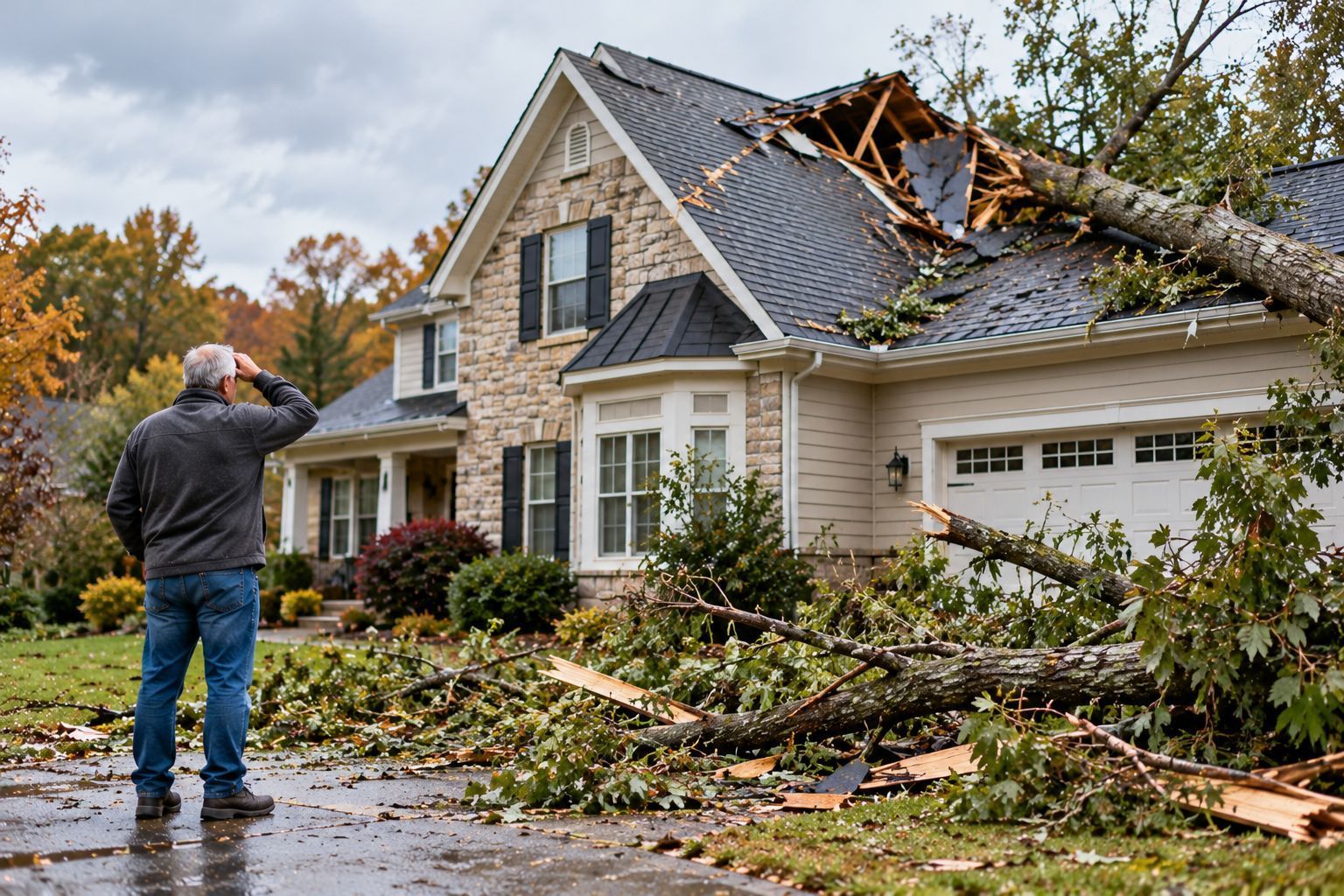
The Ohio Valley sits in a corridor where warm, humid air from the south meets colder systems from the west. The result is a steady run of thunderstorms, straight-line winds, hail, and heavy downpours that overwhelm older storm drains. For homeowners, that translates into very specific claims: shingles peeled off in a wind event, siding dented by hail, trees through the roof, and basements flooded by sewer backup.
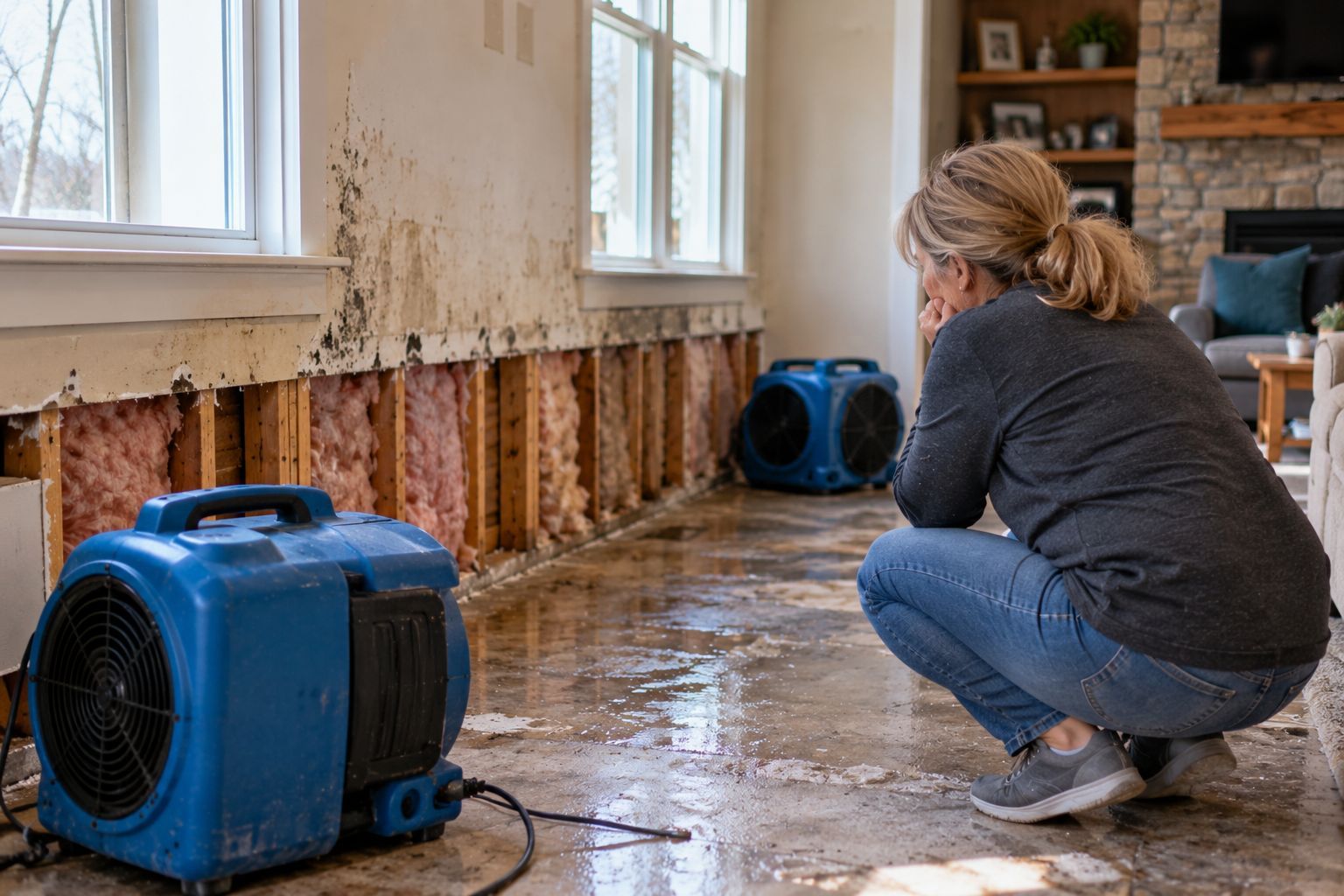
Sewer backup is a gap we see catch people off guard constantly. A standard policy usually excludes water that backs up through drains unless you've added a specific endorsement, and in a hillside neighborhood with aging municipal lines, one heavy storm can leave several inches of water in a finished basement. Carriers have watched these losses pile up across the region and priced accordingly.
Rising Rebuilding Costs in Zelienople and Beyond
Even a minor claim costs more to fix than it did a few years ago. Roofers, electricians, and plumbers around Zelienople, Cranberry, and the North Hills are booked out, and labor rates reflect that demand. Lumber, drywall, and roofing materials have also stayed expensive in the Pittsburgh market.
That matters because your dwelling coverage is supposed to reflect the cost to rebuild, not what you paid for the house. When rebuilding costs rise, insurers raise coverage amounts at renewal, and your premium rises with them. Older roofs add another wrinkle: many carriers now require a professional certification for roofs over 15 years old to keep full Replacement Cost Value coverage. Without it, a 17-year-old roof might only be covered at depreciated value, which can leave you paying a big chunk of a storm repair yourself.
Comparison of Coverage Options and Policy Limits
A standard Pennsylvania homeowners policy bundles several coverages, each with its own limit. Knowing what each part does helps you spot where you're over-insured, under-insured, or simply paying for something you don't need.
Here's how the main pieces typically look on a Pennsylvania policy. These are illustrative examples for a home with a $300,000 rebuild cost, not quotes.
| Coverage | What It Pays For | Typical PA Limit Example |
|---|---|---|
| Dwelling (A) | Rebuilding the house itself | $300,000 (full rebuild cost) |
| Other Structures (B) | Detached garage, fence, shed | 10% of dwelling: $30,000 |
| Personal Property (C) | Furniture, clothes, electronics | 50% to 70% of dwelling: $150,000 to $210,000 |
| Loss of Use (D) | Hotel and meals while displaced | 20% to 30% of dwelling: $60,000 to $90,000 |
| Personal Liability (E) | Injuries or damage you cause others | $300,000 to $500,000 |
| Medical Payments (F) | Minor guest injuries, regardless of fault | $1,000 to $5,000 |
A few practical notes from looking at a lot of Pennsylvania policies. Dwelling coverage is where most mistakes happen, because people anchor to market value or their mortgage balance instead of rebuild cost. A Pittsburgh-area home might sell for $220,000 but cost $320,000 to rebuild with today's labor and materials.
Personal property limits are usually set as a percentage, which sounds generous until you hit sub-limits. Jewelry, firearms, collectibles, and cash often have caps of a few thousand dollars unless you schedule them separately. If you own an engagement ring worth more than that cap, it's worth asking about.
Liability is the coverage people tend to skimp on, and it's often the least expensive to increase. Raising liability from $300,000 to $500,000 frequently costs much less than people expect, and if you have a pool, a trampoline, or a dog, the extra protection makes sense. Many families pair it with an umbrella policy for even more protection.
Endorsements fill the gaps the table doesn't cover: sewer and drain backup, equipment breakdown, service line coverage, and replacement cost on contents. Flood and earthquake require separate policies entirely.
Which Rating Factors You Can Control
You can't move your house away from the Ohio River or rewrite the last five years of storm data, but you do have real control over several rating factors. The three with the most impact are your deductible, the condition and security of your home, and your claims history.
Claims history deserves more attention than it gets. Insurers share loss data, and a couple of small claims within a few years can raise your rate more than one large claim. We regularly see homeowners file for a $1,800 water stain repair on a $1,000 deductible, collect $800, and then pay far more than that in higher premiums over the next several renewals. As a rule of thumb, save your policy for losses that would genuinely strain your finances.
Adjusting Deductibles to Manage Annual Costs
Raising your deductible is the fastest lever you have. Moving a standard deductible from $500 to $1,000 or $2,500 can reduce your premium by up to 25%. On a $1,600 annual premium, that could mean saving a few hundred dollars a year.
The trade-off is simple: you take on more of the small losses. Before raising it, ask yourself whether you could write a check for the new deductible tomorrow without touching credit cards. If yes, a higher deductible usually pays off within a few claim-free years. Also check whether your policy has a separate wind or hail deductible, sometimes set as a percentage of dwelling coverage, since that can be much larger than the flat amount you remember choosing.
Modernizing Home Systems for Lower Risk
Insurers price risk, so anything that makes a claim less likely or less severe can help. These updates tend to matter most in Pennsylvania:
- Roof replacement or certification: Especially if your roof is near or past 15 years.
- Electrical upgrades: Replacing knob-and-tube wiring or old fuse panels.
- Plumbing updates: Swapping polybutylene or galvanized pipes.
- Water leak sensors and automatic shutoff valves: Valuable in homes with finished basements.
- Monitored security and fire alarms: Often eligible for credits.
- Sump pump with battery backup: Helps prevent the basement claims Western PA sees after heavy rain.
Keep receipts and dates for every update and send them to your agent. A new roof that nobody tells the carrier about doesn't lower anything.
Navigating Pennsylvania Carriers as an Independent Agency
The quickest way to see what your home should cost is to compare several carriers side by side, because Pennsylvania pricing varies wildly from one company to the next. A 2026 study found some insurers charging up to 3.5 times more than competitors such as Erie for identical risk profiles. Same house, same coverage, very different bill.
That spread exists because every carrier weights rating factors differently. One might be strict about older roofs but generous on credit. Another might price Philadelphia rowhomes aggressively while being cautious about rural properties far from a fire station. You won't know which carrier fits your home until you see real quotes.
As an independent agency, MVP Insurance works with carriers including Erie, Westfield, Progressive, and Frederick Mutual, along with others, to find options tailored to Pennsylvania residents. MVP doesn't work for any one of those companies, so the job is matching your home to the carrier whose rules suit it. A Butler County farmhouse and a Lehigh Valley townhouse may end up with different carriers for good reasons.
Regulation also plays a role. The Pennsylvania Insurance Department reviews rate filings, and it recently blocked $94.7 million in rate increases it considered unjustified. Under that review process, insurers must now "justify every dollar" using data on actual expenses from 2025 and 2026. That oversight doesn't stop increases, but it does keep them tied to real costs.
If you want a closer look at coverage options specific to the state, the page on pennsylvania homeowners insurance walks through how policies are typically built for homes here.
Frequently Asked Questions About PA Home Insurance
How does credit score affect my PA rate?
Pennsylvania allows insurers to use a credit-based insurance score when setting rates, and stronger credit generally means a lower premium. Paying bills on time and keeping balances low can help your rate over time.
Does my location near a fire station matter?
Yes. Homes closer to a staffed fire station and a working hydrant usually get better pricing because fire damage tends to be less severe when help arrives quickly.
How often should I review my policy limits?
Review them at every renewal and any time you renovate, add a big purchase, or finish a basement. With rebuilding costs rising, a limit that fit three years ago may now fall short.
Getting a Clear Number for Your Home
Pennsylvania still offers homeowners insurance below the national average, but recent increases have been steep, and Western PA homeowners have felt it through storms and rising rebuilding costs. Your location sets the starting point. Your deductible, your roof and home systems, and how you use your policy decide much of the rest.
The most useful step is seeing real numbers side by side instead of accepting a single renewal at face value. MVP Insurance is an independent agency with offices in Zelienople, PA and New Springfield, OH, and the team compares multiple carriers so you don't have to. When you're ready, start your quote here and get a clearer picture of what your home should cost to insure.
MVP Insurance is licensed in Ohio (license #37714) and Pennsylvania (license #519263), NPN 10588293.
Search
Recent Posts
MVP Insurance is a local, independent agency, licensed to serve individuals and businesses across Ohio and Pennsylvania.
We serve clients from our offices in New Springfield, Ohio and Zelienople, Pennsylvania and throughout Northeast Ohio and Western Pennsylvania, working with multiple carriers to help contractors, landlords and real estate investors, restaurants, retail shops, auto repair shops, professional offices and many other personal and commercial clients find coverage that fits.
Our Owners
Two friends who started an agency
Owner
Joshua Medure
I am a Penn State marketing graduate with more than ten years in insurance. My childhood friend David and I started MVP Insurance in Northeast Ohio because we wanted the people around us to have an agency that gives honest advice, real choices and someone who picks up the phone. I lead the agency’s insurance strategy, which means I read the policies so our clients do not have to. Away from the office, I coach youth football.


About the Author
David Varrati
Owner, MVP Insurance
I started MVP Insurance with my childhood friend Josh because we wanted people in Northeast Ohio and Western Pennsylvania to have an agency that explains things plainly and picks up the phone. I studied Political Science at Slippery Rock University and have spent more than ten years helping families and individuals protect what matters to them. When I am not in the office, you will find me coaching youth sports.