


How Do Pennsylvania Homeowners Insurance Companies Set Rates?
24 October 2026

The Ohio Valley sits in a corridor where warm, humid air from the south meets colder systems from the west. The result is a steady run of thunderstorms, straight-line winds, hail, and heavy downpours that overwhelm older storm drains. For homeowners, that translates into very specific claims: shingles peeled off in a wind event, siding dented by hail, trees through the roof, and basements flooded by sewer backup.


Sewer backup is a gap we see catch people off guard constantly. A standard policy usually excludes water that backs up through drains unless you've added a specific endorsement, and in a hillside neighborhood with aging municipal lines, one heavy storm can leave several inches of water in a finished basement. Carriers have watched these losses pile up across the region and priced accordingly.

Your experience modifier compares your claims history to that of similar businesses. A 1.00 mod is average. A 0.85 mod cuts your premium by 15%, and a 1.25 mod raises it by 25%. Mods generally use three years of claims, excluding the most recent year, so today's injury affects your bill for years.


Frequency hurts more than severity. Five small medical-only claims often damage a mod more than one larger claim. Pennsylvania offers medical-only claim handling, but small injuries still need to be reported properly, so check how claims are counted before you decide how to handle minor incidents.

Calculating Total Remuneration and Payroll Limits

Pennsylvania homeowners have felt the squeeze lately. Real premiums in the state rose 28.9% from 2021 to 2025, the largest jump in the Philadelphia Fed's Third District. If your renewal notice surprised you, the explanation sits in rules, data, and a few details about your own house.

How Pennsylvania Homeowners Insurance Companies Set Rates

Carriers like Erie and Westfield set rates using actuarial data on past losses, risk factors tied to your specific home, and rate plans the state has approved in advance. Your premium comes from the company's approved base rate, adjusted up or down for your property's characteristics, location, coverage choices, and claims record.


Think of it as two layers. The first is the statewide rate structure each carrier files with regulators. The second is underwriting, where the company applies that structure to your roof, your zip code, and your history.


That second layer is why two neighbors with similar houses can pay very different amounts for pennsylvania homeowners insurance. One may have a newer roof, a higher deductible, or a cleaner claims history.

Rate Filings and What the Pennsylvania Insurance Department Reviews

Pennsylvania insurers can't simply raise prices when they choose. They must submit rate filings to the state showing that proposed rates are not excessive, inadequate, or unfairly discriminatory. Homeowners coverage falls under prior approval, which means regulators sign off before new rates take effect.


During review, the department examines the company's loss ratios (how much it pays in claims compared to premium collected) and its expense data, such as commissions, overhead, and reinsurance costs. If the numbers don't justify the increase, regulators push back. In 2025, the department blocked $16 million in proposed homeowners and dwelling fire increases, noting that its staff reviews thousands of complex filings each year.


The process was updated recently. Effective April 12, 2026, Notice 2026-07 modernized filing requirements while keeping strict prior approval in place for personal lines, including homeowners policies.

The Impact of Claims History and Roof Age on Your Premium

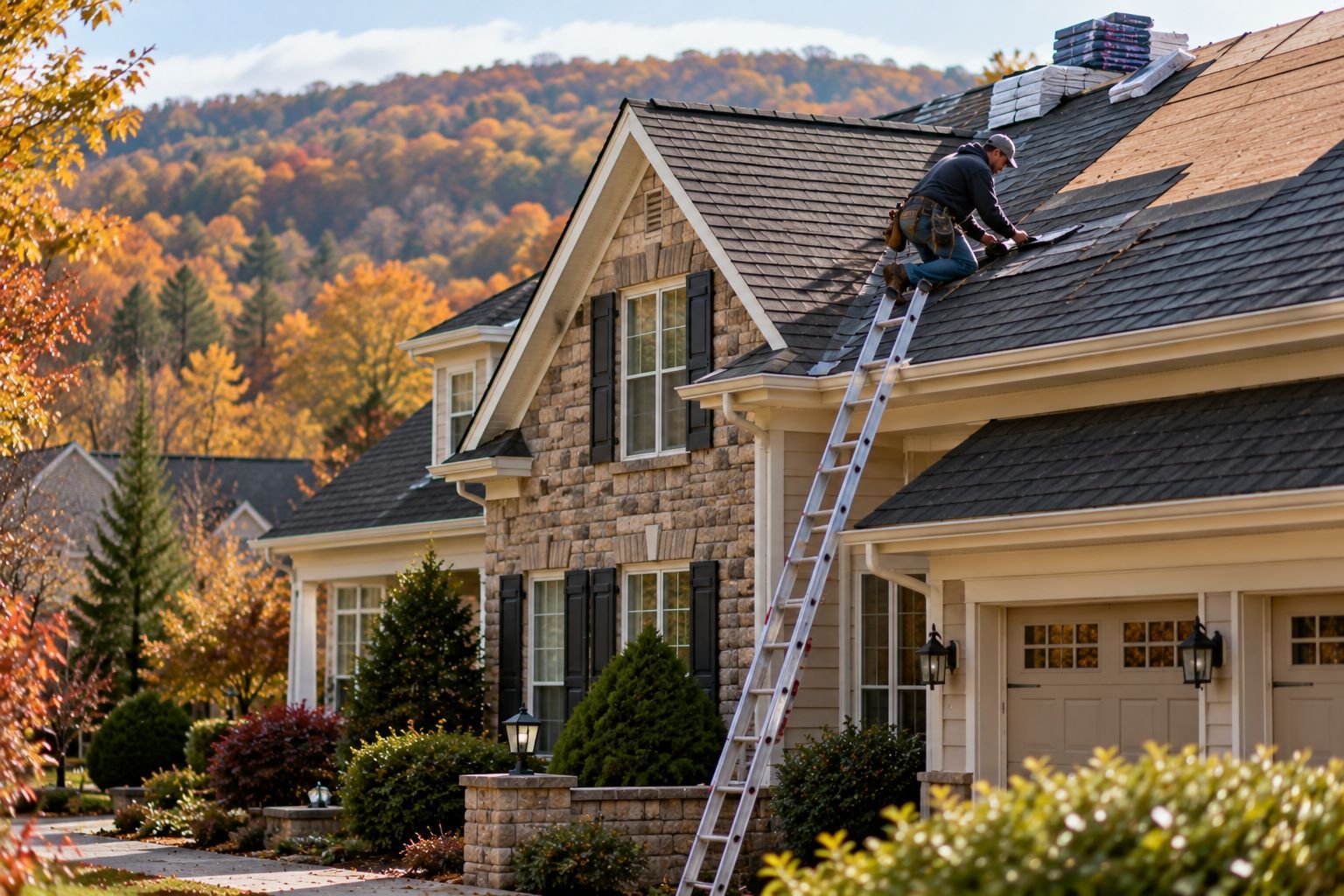
Prior claims and roof age rank among the most heavily weighted rating factors for companies like Progressive and Liberty Mutual. A recent water damage or wind claim signals higher future risk, and a worn roof increases the odds of weather-related losses.


Roof scrutiny has tightened across the state. As of this writing, the 15-year mark has become a common threshold for extra scrutiny, and older roofs often need professional certification to keep coverage. Many carriers also shift roofs older than about 20 years from replacement cost to actual cash value at renewal, so a hail claim pays out after depreciation.


A common mistake is filing small claims, like a $1,200 gutter repair, that barely exceed the deductible. That claim can follow you for years and cost more in premium than it paid out. On the other hand, Pennsylvania's matching regulation (31 Pa. Code § 146.8) generally requires insurers to replace undamaged sections when an exact shingle match isn't available, so a legitimate roof claim can be worth more than people expect.

Comparison of Common Rating Factors and Coverage Limits

Beyond claims and roof age, several other variables shape your price. Here's how the main ones typically work:

Rating Factor What It Measures Typical Effect on Premium
Construction type Brick, masonry, or frame Masonry often rates lower for fire
Protection class Distance to hydrant and fire station Rural homes far from stations usually pay more
Deductible Amount you pay before coverage applies Higher deductible, lower premium
Dwelling limit Cost to rebuild the home Higher limit, higher premium
Roof settlement Replacement cost or actual cash value ACV lowers premium but reduces payouts
Home age and systems Wiring, plumbing, heating updates Updated systems can help
Claims history Losses over recent years Recent claims typically raise rates

Protection class surprises many people in western Pennsylvania townships. Moving a mile farther from a staffed fire station can change your rating noticeably.

Frequently Asked Questions About Pennsylvania Insurance Rates

Why did my homeowners insurance go up if I didn't file a claim? Statewide approved rate increases, higher rebuilding costs, and an aging roof can all raise your premium even with a clean record. Your carrier applies its newest approved rates to every policy at renewal.


How can I lower my homeowners insurance cost in Pennsylvania? Consider a higher deductible, document roof and system updates, and avoid filing very small claims. Comparing several carriers also helps because each company weighs risk factors differently.


Does Pennsylvania require a full roof replacement if part of it is damaged? No. There is no statewide rule requiring full replacement when 25% of a roof is damaged, though the matching regulation may require replacing undamaged sections for a uniform appearance.


Rates in Pennsylvania come from approved filings, then get personalized by your roof, your claims, and your home's details. Understanding those pieces gives you real control: a roof certification, a smarter deductible, or a different carrier can shift what you pay. MVP Insurance is an independent agency with offices in Zelienople, PA and New Springfield, OH, licensed in Ohio (#37714) and Pennsylvania (#519263), NPN 10588293. If your renewal jumped, start a quote and let us compare carriers for you.

Search

Recent Posts

How to File an Insurance Complaint in Pennsylvania: What the Insurance Department Handles, How to
24 October 2026
How to File an Insurance Complaint in Pennsylvania. What Pennsylvania households should know, explained in plain English by a local independent agent.

Pennsylvania Insurance Guaranty Association Explained: What Happens When an Insurer Fails, Claim
24 October 2026
Pennsylvania Insurance Guaranty Association Explained. What Pennsylvania homeowners should know, explained in plain English by a local independent agent.

Pennsylvania Auto Insurance Cancellation and Nonrenewal Rules: Notice Periods, Allowed Reasons Under
24 October 2026
Pennsylvania Auto Insurance Cancellation and Nonrenewal Rules. What Pennsylvania drivers should know, in plain English.

MVP Insurance is a local, independent agency, licensed to serve individuals and businesses across Ohio and Pennsylvania.

We serve clients from our offices in New Springfield, Ohio and Zelienople, Pennsylvania and throughout Northeast Ohio and Western Pennsylvania, working with multiple carriers to help contractors, landlords and real estate investors, restaurants, retail shops, auto repair shops, professional offices and many other personal and commercial clients find coverage that fits.

Our Owners

Two friends who started an agency

Owner

Joshua Medure

I am a Penn State marketing graduate with more than ten years in insurance. My childhood friend David and I started MVP Insurance in Northeast Ohio because we wanted the people around us to have an agency that gives honest advice, real choices and someone who picks up the phone. I lead the agency’s insurance strategy, which means I read the policies so our clients do not have to. Away from the office, I coach youth football.


Connect on LinkedIn

About the Author

David Varrati

Owner, MVP Insurance


I started MVP Insurance with my childhood friend Josh because we wanted people in Northeast Ohio and Western Pennsylvania to have an agency that explains things plainly and picks up the phone. I studied Political Science at Slippery Rock University and have spent more than ten years helping families and individuals protect what matters to them. When I am not in the office, you will find me coaching youth sports.

Share this article