
Modernizing Home Systems for Lower Risk
Pennsylvania still offers homeowners insurance below the national average, but recent increases have been steep, and Western PA homeowners have felt it through storms and rising rebuilding costs. Your location sets the starting point. Your deductible, your roof and home systems, and how you use your policy decide much of the rest.
The most useful step is seeing real numbers side by side instead of accepting a single renewal at face value. MVP Insurance is an independent agency with offices in Zelienople, PA and New Springfield, OH, and the team compares multiple carriers so you don't have to. When you're ready, start your quote here and get a clearer picture of what your home should cost to insure.
MVP Insurance is licensed in Ohio (license #37714) and Pennsylvania (license #519263), NPN 10588293.
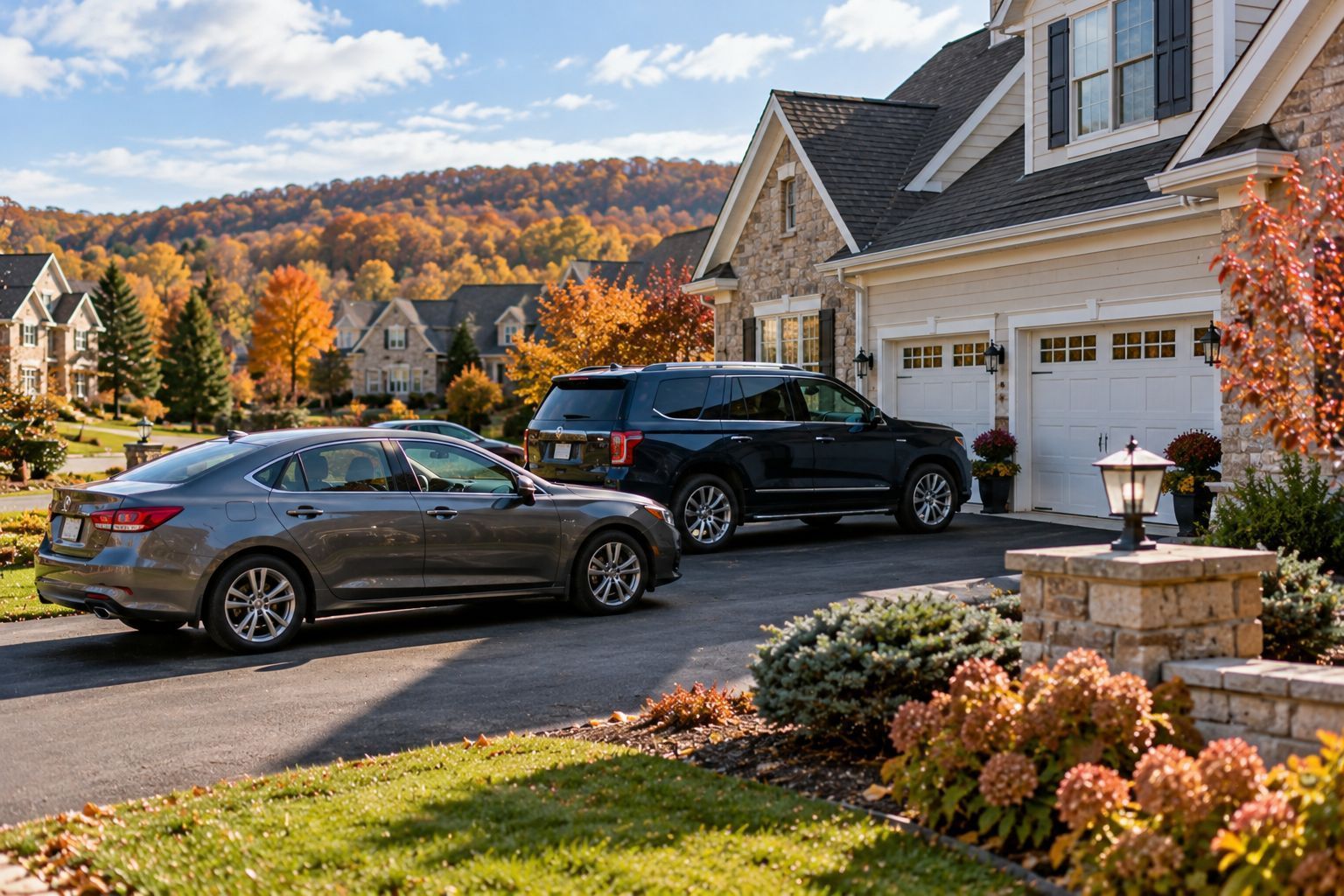
Yes, umbrella insurance is worth it in Pennsylvania for most families. The state's auto liability minimums are among the lowest in the country, and Pennsylvania juries can return verdicts far beyond what a standard auto or home policy pays. An umbrella policy adds a layer of liability coverage, typically starting at $1 million, that steps in once those primary limits run out.
That's the short answer. The longer one depends on what you own, who drives your cars, and where in the state you live. A family in Butler County with one paid-off house and two teenagers behind the wheel faces a different risk picture than a retired couple in a Pittsburgh condo. Both, though, share the same legal environment.
Pennsylvania doesn't offer much of a cushion once a judgment lands on your doorstep. There's no meaningful homestead exemption, the minimum auto limits haven't kept pace with medical costs, and Philadelphia keeps drawing national attention for large jury awards. Below, we'll walk through how lawsuit exposure works here, why the state minimums leave drivers short, what limits you need underneath an umbrella, and how much coverage Pennsylvania families typically carry.
Is Umbrella Insurance Worth It in Pennsylvania?
For most Pennsylvania households, the answer is yes. Low state liability requirements combined with a lawsuit-friendly court system mean one bad accident can produce a judgment that goes after your savings, your home equity, and even your future paychecks. An umbrella policy is relatively inexpensive protection against a loss that could take decades to recover from.
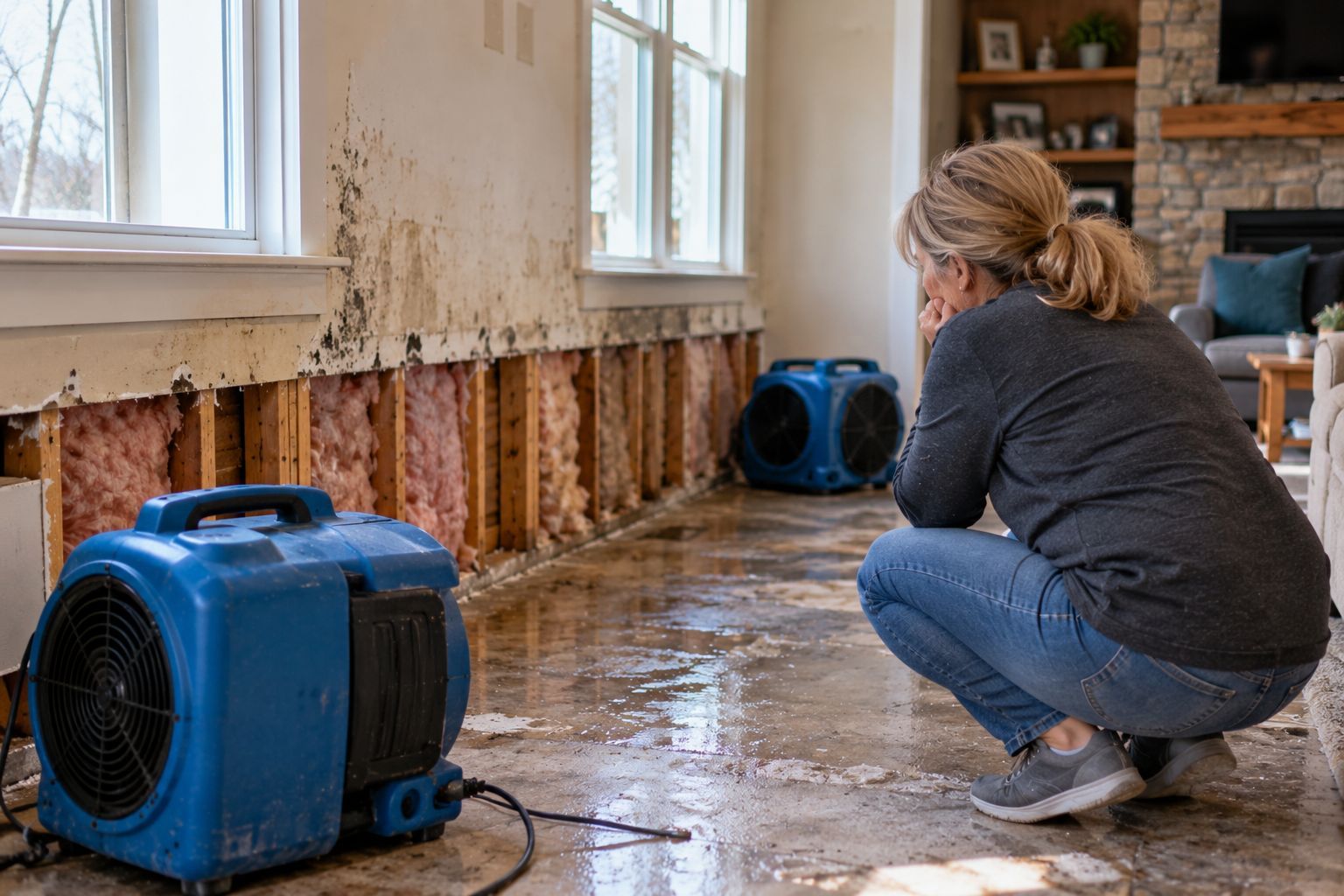
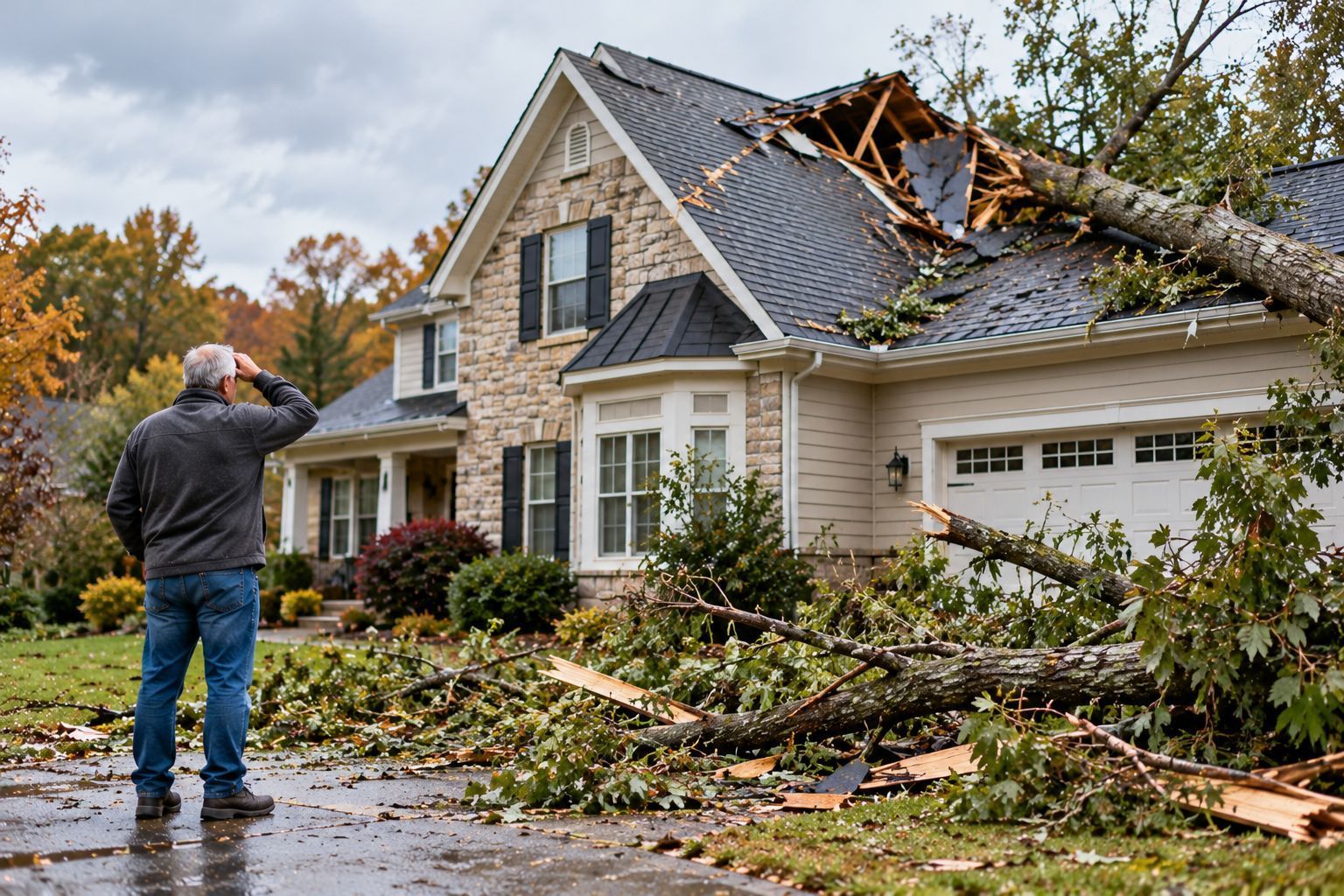
Think about how most liability claims actually start. Someone rear-ends a car at a red light in Cranberry Township, and the other driver needs spinal surgery and misses a year of work. Or a guest falls down your basement stairs during a graduation party and suffers a traumatic brain injury. Neither situation involves anything reckless, just ordinary life going wrong at the worst moment.
When the injured person's damages exceed your auto or homeowners limits, their attorney doesn't simply stop at what your insurer pays. They look at what you own. That includes bank accounts, investment accounts, rental properties, a second car, and in some cases a portion of your wages going forward.
Here's what makes Pennsylvania different from many states. It's one of the few states that doesn't offer a homestead exemption to shield a primary residence from judgment creditors. In plenty of other places, your house is at least partially off-limits. Here, a large enough judgment can put real pressure on the equity you've built.
An umbrella policy changes that math. It sits on top of your auto, homeowners, and sometimes watercraft or rental property policies, and it pays once their limits are exhausted. It also tends to cover legal defense costs, which matter a lot more than people expect. For the price, very few coverages do as much work.
How Low State Auto Minimums Leave Drivers Exposed
Pennsylvania's minimum auto liability limits are thin enough that a fairly ordinary crash can blow right through them. As of this writing, the state requires $15,000 in bodily injury coverage per person, $30,000 per accident, and just $5,000 for property damage. Those figures were set long ago and haven't tracked rising medical and repair costs.
Start with the $5,000 property damage limit. A newer SUV with radar sensors in the bumper, a backup camera, and lane-keep cameras behind the windshield can cost more than that to fix after a moderate fender-bender. Total someone's late-model pickup truck, and you could owe the difference out of pocket almost immediately.
The $15,000 bodily injury limit runs out even faster. An ambulance ride, an emergency room visit, imaging, and a few weeks of physical therapy can eat through it before anyone talks about lost wages or pain and suffering. If the injured driver chose full tort on their own policy, they keep the right to sue you for those non-economic damages too.
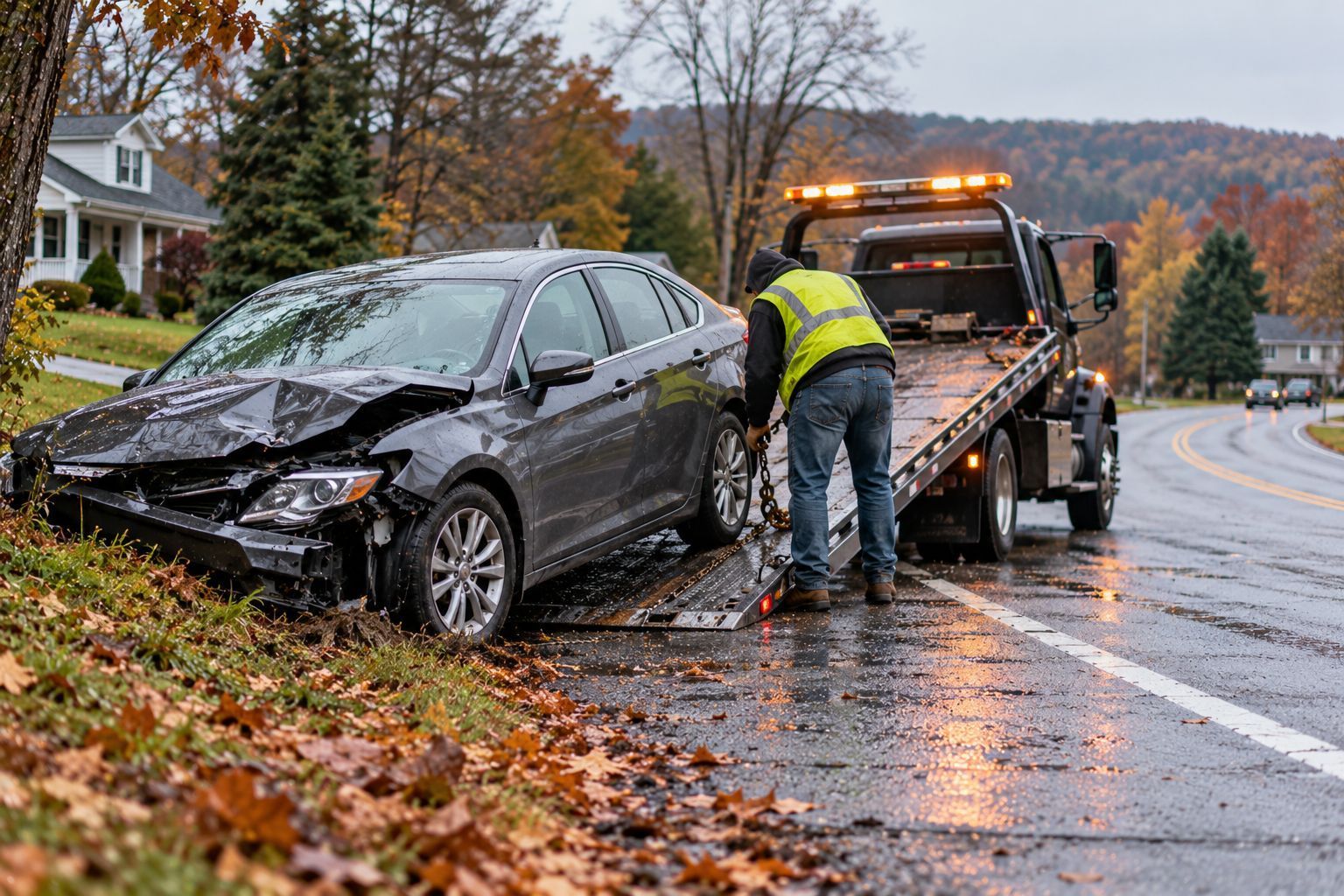
Multi-vehicle accidents are where things get ugly. Say you slide on black ice on Route 19 and hit two cars. The $30,000 per-accident cap gets split among everyone hurt, and whatever isn't covered becomes your personal debt. We see this pattern often in claims: the driver who thought "I have insurance, I'm fine" learns that having coverage and having enough coverage are two separate things.
A few common mistakes we see Pennsylvania drivers make:
- Buying minimums to save on premium without realizing how little the limits actually cover
- Not raising limits when they buy a house, even though they now have equity a lawsuit can reach
- Forgetting about teen drivers, who statistically cause more accidents and expose the whole household's assets
- Assuming limited tort protects them, when it only restricts their own right to sue, not someone else's right to sue them
Raising your auto limits is the first fix. An umbrella is the second, and it only works once those underlying limits are high enough to qualify.
Understanding Lawsuit Exposure for PA Residents
Pennsylvania lawsuit exposure is higher than many residents realize, and settlements can quickly blow past the $250,000 or $500,000 limits on a typical auto or home policy. Cases involving permanent disability, long-term care, or wrongful death regularly reach that territory. Umbrella insurance picks up the defense fees and settlement amounts that exceed your primary coverage.
The state's legal climate gets national attention for a reason. The Philadelphia Court of Common Pleas was ranked the #5 worst "Judicial Hellhole" in the country for 2025-2026, largely because of massive jury awards and what critics call litigation tourism, where plaintiffs file in Philadelphia even when the case has thin ties to the city. Between June 2021 and May 2026, Pennsylvania saw 42 nuclear verdicts topping $10 million, with 29 of them in Philadelphia alone.
Most of those headline verdicts involve hospitals and corporations, not individual drivers. In July 2025, for example, a $207.6 million medical malpractice verdict was upheld against a Philadelphia hospital, the largest in state history. But big verdicts shape expectations. When juries grow comfortable awarding large sums, settlement demands in ordinary injury cases rise right along with them.
There's also a shift in how blame gets divided. Pennsylvania's Fair Share Act was meant to limit defendants to paying their proportionate share of fault in many cases. Recent rulings like Spencer v. Johnson have narrowed the law's protections for defendants, which can leave an individual on the hook for more than their slice of responsibility.
The Risk to Personal Assets and Future Earnings
Once your insurance limits are exhausted, a judgment creditor can pursue bank accounts, brokerage accounts, vehicles, vacation property, and rental homes. Without a homestead exemption, your primary residence isn't automatically safe either.
Pennsylvania does offer one meaningful protection for married couples. Property owned as "tenancy by the entireties" is generally shielded from debts owed by only one spouse. That helps if one spouse causes the accident, but it does nothing when both spouses are named, when the asset is titled to one person, or when you're single. It's also no help for accounts held individually or business interests.
Future earnings matter too, especially for younger families. A 35-year-old with decades of income ahead is a more attractive target than many people assume, because a judgment can follow you for years.
How Legal Defense Costs Impact Your Coverage
Defense costs are the part of a lawsuit nobody budgets for. Attorneys, expert witnesses, accident reconstructionists, and depositions add up fast, and a contested injury case can take a couple of years to resolve.
Most umbrella policies pay defense costs in addition to the policy limit, rather than eating into it, though wording varies by carrier. Many also provide defense for certain claims your underlying policy doesn't cover at all, such as some libel, slander, or false arrest allegations. That's a detail worth reviewing line by line before you buy, because it's often where two seemingly similar policies differ most.
Comparing Pennsylvania Liability Requirements vs Recommended Limits
The state minimums and the limits an umbrella carrier requires are nowhere near each other. To qualify for a Pennsylvania umbrella policy, you'll typically need auto liability of $250,000/$500,000 and homeowners liability of at least $300,000, depending on the carrier.
Here's how the numbers stack up side by side:
| Coverage Type | PA State Minimum | Typical Umbrella Requirement |
|---|---|---|
| Auto bodily injury (per person) | $15,000 | $250,000 |
| Auto bodily injury (per accident) | $30,000 | $500,000 |
| Auto property damage | $5,000 | $100,000 |
| Combined single limit (alternative) | Not required | $300,000 to $500,000 |
| Homeowners/renters liability | No state minimum | $300,000 to $500,000 |
| Rental property liability | No state minimum | $300,000 to $500,000 per property |
| Watercraft liability (if owned) | No state minimum | $300,000 to $500,000 |
These requirements vary by carrier and change over time, so treat them as typical ranges rather than fixed rules. Some companies want $250,000/$500,000/$100,000 on auto, while others accept a combined single limit. A few require you to carry your auto and home with them before they'll write the umbrella.
The gap between the left column and the right one is the real story. A driver carrying 15/30/5 isn't just underinsured: they can't even buy an umbrella until they raise their base limits. The good news is that moving from state minimums to 250/500 usually costs less than people expect, and that upgrade alone dramatically shrinks your exposure.
One nuance clients often miss: the umbrella only drops down once the underlying limit has been paid. If you're required to carry $250,000 per person and you've only got $100,000, you could be personally responsible for that $150,000 gap before the umbrella responds. Keeping your underlying limits matched to the umbrella's requirements is essential. If you'd like a deeper look at how these policies are structured, our page on pennsylvania umbrella insurance breaks down the coverage in more detail.
How Much Coverage Families Typically Carry
Most Pennsylvania families start with a $1 million umbrella policy. Households with significant assets, teenage drivers, rental properties, or other high-risk factors often step up to $2 million to $5 million. The first million is the most important layer, and each additional million usually costs less than the one before it.
A simple starting rule many agents use: carry enough umbrella coverage to protect your net worth, then add a buffer for future earnings. If your home equity, retirement savings outside protected accounts, and other assets total around $800,000, a $1 million policy covers you today. If you're a two-income household in your 40s with growing investments, $2 million gives you breathing room as those numbers climb.
That said, net worth isn't the only measure. Juries don't award damages based on what you can pay. They award based on what the injured person lost. A catastrophic injury to a young parent can justify a verdict in the millions whether you own a mansion or a modest ranch house in Beaver County.
Factors That Influence Your Coverage Needs
Some situations push families toward higher limits:
- Teen or newly licensed drivers in the household
- Rental properties, including a single duplex or a room you rent out short-term
- Swimming pools, trampolines, or dogs with breeds some carriers consider higher risk
- Boats, jet skis, ATVs, or snowmobiles
- Frequent hosting, especially parties where alcohol is served
- Volunteer board service for a nonprofit, HOA, or youth sports league
- An active social media presence, since many umbrellas cover defamation claims
- Long commutes or heavy driving, including into Philadelphia or Pittsburgh
Each one raises the odds of a claim or the potential size of one. A family checking three or four of these boxes is usually a strong candidate for $2 million or more.
The Cost of Adding Additional Millions in Protection
Pricing for umbrella coverage follows a pattern worth understanding. The first $1 million carries the highest cost because it's the layer most likely to be used. Claims that exceed your underlying limits usually exceed them by hundreds of thousands, not millions.
Each additional million sits further out on the risk curve, so carriers charge less for it. That's why moving from $1 million to $2 million often feels like a better value than the jump from zero to $1 million. Your actual price depends on the number of vehicles and drivers, your driving records, how many properties you own, and the carrier, so getting side-by-side quotes matters more here than with almost any other coverage.
Pennsylvania Carriers Offering Umbrella Solutions
The umbrella options available to Pennsylvania families vary quite a bit by carrier, and an independent agent can compare several at once to find the right fit. MVP Insurance works with carriers including Erie, Westfield, Progressive, GEICO, Western Reserve, Liberty Mutual, Foremost, American Modern, Hagerty, Dairyland, Frederick Mutual, Municipal Mutual, Farmers of McCandless, J.C. Taylor, Franklin Flood, American Bankers, and NEXT.
Not every carrier on that list writes personal umbrella coverage, and that's the point. Some specialize in the underlying policies that umbrellas require. Hagerty and J.C. Taylor focus on classic and collector vehicles, Foremost and American Modern often handle mobile homes, seasonal properties, and specialty risks, and Franklin Flood and American Bankers are commonly tied to flood coverage. Dairyland frequently writes drivers who need nonstandard auto. Building the right umbrella often means getting the underlying pieces in place first.
Carriers also differ in ways that only show up when you read the policy:
- Underlying limit requirements, with some stricter on auto than others
- Whether they require bundling your auto and home to write the umbrella
- How they treat rental properties, including how many units they'll accept
- Coverage for uninsured and underinsured motorists, which some umbrellas include and many don't
- Exclusions for business activities, certain watercraft, or specific dog breeds
- How defense costs are handled relative to the policy limit
That's where working with an independent agency helps. As an independent agent, MVP Insurance represents you rather than any single carrier, so we can line up quotes, point out the differences in plain language, and match the umbrella to your existing coverage. If your auto is with one company and your home is with another, we can also tell you which umbrella carriers will accept that arrangement and which ones won't.
Common Questions About Pennsylvania Umbrella Insurance
Does umbrella insurance cover my rental properties?
Often yes, as long as you carry the required liability limits on each rental property policy and disclose the properties when you apply. Most carriers cap how many units they'll include, and larger portfolios or properties owned through an LLC may need a commercial umbrella instead.
Do I need an umbrella policy if I don't have a high net worth?
In Pennsylvania, many moderate-income families still benefit, because there's no homestead exemption protecting your house and a judgment can reach future wages. If you own a home, have teen drivers, or simply want to protect what you're building, a $1 million policy is usually worth the modest cost.
How does this policy interact with my Erie or Progressive auto insurance?
Your Erie or Progressive auto policy pays first, up to its liability limits, and the umbrella pays above that once those limits are used up. Some umbrella carriers require your auto to be with them, while others accept it from a different company as long as you meet their minimum limits.
Pennsylvania's thin auto minimums, lack of a homestead exemption, and active courts make umbrella coverage one of the smartest protections a family here can buy. If you want help figuring out how much you need and which carriers fit your situation, you can start a quote with MVP Insurance, an independent agency with offices in Zelienople, PA and New Springfield, OH. MVP Insurance is licensed in Ohio (license #37714) and Pennsylvania (license #519263), NPN 10588293.
Search
Recent Posts
MVP Insurance is a local, independent agency, licensed to serve individuals and businesses across Ohio and Pennsylvania.
We serve clients from our offices in New Springfield, Ohio and Zelienople, Pennsylvania and throughout Northeast Ohio and Western Pennsylvania, working with multiple carriers to help contractors, landlords and real estate investors, restaurants, retail shops, auto repair shops, professional offices and many other personal and commercial clients find coverage that fits.
Our Owners
Two friends who started an agency
Owner
Joshua Medure
I am a Penn State marketing graduate with more than ten years in insurance. My childhood friend David and I started MVP Insurance in Northeast Ohio because we wanted the people around us to have an agency that gives honest advice, real choices and someone who picks up the phone. I lead the agency’s insurance strategy, which means I read the policies so our clients do not have to. Away from the office, I coach youth football.

About the Author
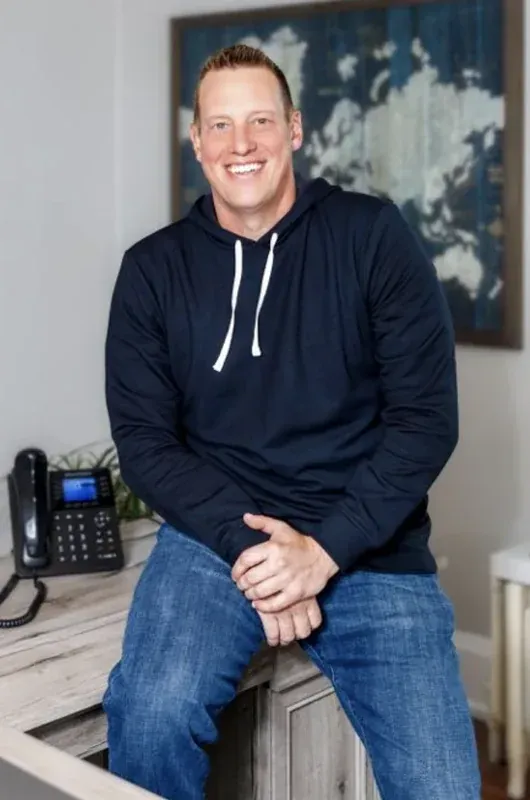
David Varrati
Owner, MVP Insurance
I started MVP Insurance with my childhood friend Josh because we wanted people in Northeast Ohio and Western Pennsylvania to have an agency that explains things plainly and picks up the phone. I studied Political Science at Slippery Rock University and have spent more than ten years helping families and individuals protect what matters to them. When I am not in the office, you will find me coaching youth sports.