

Pennsylvania Long Term Care Insurance

Owner, MVP Insurance

Long-term care costs in Western Pennsylvania can drain a lifetime of savings faster than most families expect. The good news is that you have real choices, and the earlier you look at them, the more of those choices stay on the table.

Pennsylvania Long Term Care Insurance and Planning for Future Needs

Pennsylvania long term care insurance pays for help with daily living when chronic illness, injury, or cognitive decline makes independent living difficult. Coverage comes through traditional standalone policies or hybrid life insurance plans. Both protect retirement savings and home equity while giving Western PA families more control over where and how care happens.


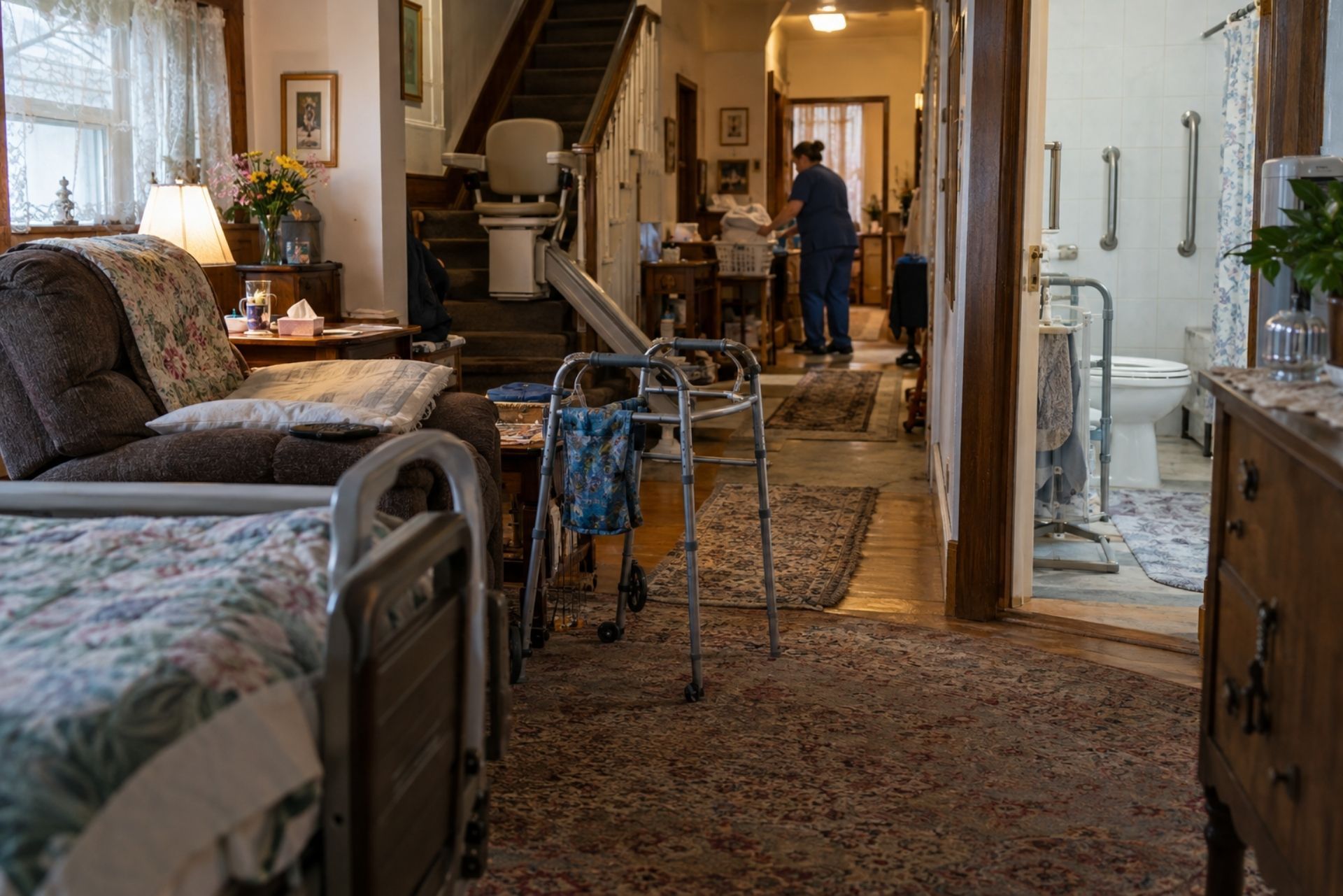
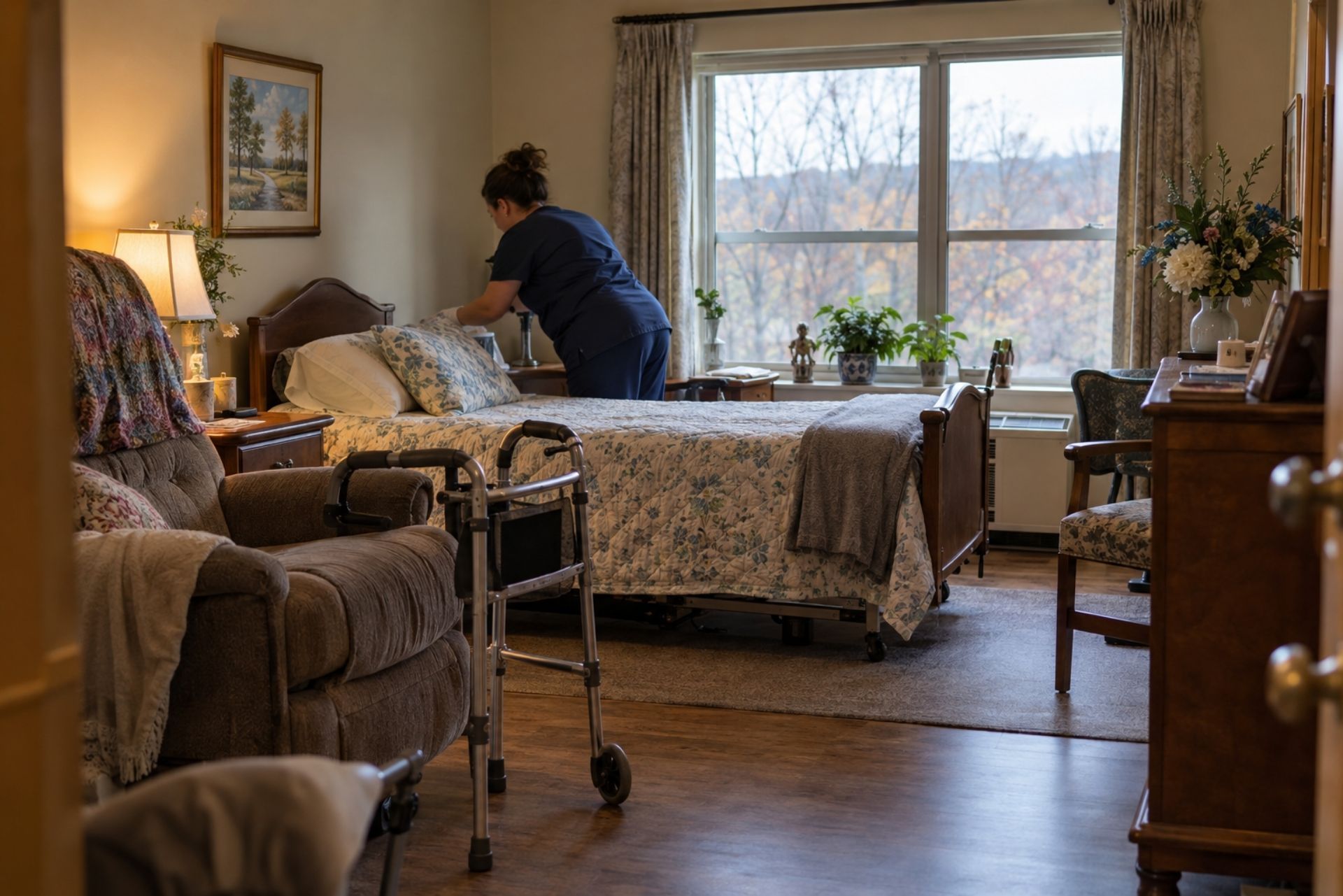
Most people picture a nursing home when they hear "long-term care," but much of the care actually happens at home. A policy can cover a home health aide three days a week, adult day programs, assisted living, memory care, or a skilled nursing facility. Benefits typically start once a licensed health professional certifies that you can't perform two of six activities of daily living (bathing, dressing, eating, toileting, transferring, and continence) or that you have a severe cognitive impairment such as Alzheimer's.


The mistake we see most often is treating this as a problem for "later." A couple in their late fifties in Butler or Cranberry Township is usually healthy enough to qualify at reasonable rates. Wait until 68 with a new diabetes or heart diagnosis, and the same coverage may cost far more, or underwriters may decline it outright.


Long-term care coverage also fits into a bigger picture with your home, auto, and life policies. If you're reviewing your coverage overall, our page on personal insurance in Pennsylvaniaexplains how these pieces work together. As an independent agency, MVP Insurance compares options from multiple carriers so you see side-by-side numbers instead of one company's pitch.

David Varrati

By: Joshua Medure

Owner, MVP Insurance


MVP Insurance is a local, independent agency, licensed to serve individuals and businesses across Ohio and Pennsylvania.

We serve clients from our offices in New Springfield and Zelienople and throughout Northeast Ohio and Western Pennsylvania, working with multiple carriers to help homeowners, drivers, renters and condo owners, landlords, contractors, restaurant owners, shop owners, auto repair shops, professional offices and many other personal and commercial clients find coverage that fits.

Written By

David Varrati

Owner, MVP Insurance


Owner, MVP Insurance

On this page

Comparing Traditional vs Hybrid Life Insurance Policies

Traditional long-term care insurance is pure coverage: you pay premiums, and if you need care, the policy pays. Hybrid policies combine life insurance with a long-term care benefit, so if you never need care, your heirs receive a death benefit. Neither type is right for everyone, and the trade-offs come down to cost, flexibility, and how you feel about "use it or lose it" coverage.


A traditional policy usually gives you the most care coverage per premium dollar. You choose a daily or monthly benefit, a benefit period (often two to five years), an elimination period, and an inflation rider. The catch is that premiums aren't guaranteed. Many people who bought standalone policies in the 2000s have seen rate increases approved by state regulators, and if you never file a claim, the money you paid is simply gone.


Hybrid policies have become the dominant choice in recent years. A recent review of the market describes Pennsylvania's long-term care picture as shaped by rising facility costs and a dominant shift toward hybrid insurance products. Here's why many families lean that way:


  • Guaranteed premiums:Most hybrids lock in your cost, either as a single lump sum or level payments over 10 years or to age 65.
  • Money doesn't disappear: Unused long-term care benefits pass to beneficiaries as a death benefit.
  • Easier underwriting in some cases:Some hybrids ask fewer health questions than standalone plans.
  • Return of premium options: Certain designs let you surrender the policy and recover some or all of what you paid.


The downside? Hybrids require more money up front, and the long-term care benefit per dollar is usually smaller than a traditional plan's.

Someone repositioning $100,000 from a low-yield CD may love a hybrid. Someone working with a tight monthly budget may get more protection from a traditional policy.


A third route uses a standard life policy with a chronic illness or accelerated benefit rider. These cost less but often pay out less flexibly. You can read more about permanent coverage on our life insurance in Pennsylvaniapage.

Written By

David Varrati

Owner, MVP Insurance


Owner, MVP Insurance

On this page

What Nursing Home and Home Care Costs Run in Western Pennsylvania

Nursing home care in the Pittsburgh area currently runs well over $11,000 a month, and full-time home care typically costs more than $6,000 a month. These numbers explain why so many families in Allegheny, Butler, Beaver, Lawrence, and Erie counties start shopping for coverage after watching a parent's savings disappear.


As of 2026, the median monthly cost for a semi-private nursing home room in the Pittsburgh metro is about $11,400. Erie runs similar or higher, with semi-private skilled nursing rooms ranging from $11,000 to $12,034 per month. Private rooms generally cost more than those semi-private figures, so anyone who wants their own space should budget above them. Pittsburgh nursing home costs sit slightly below the Pennsylvania median, yet remain well above the national average.


Home care is where the math gets interesting. Private-pay rates for non-medical companion and personal care in Western PA generally run $25 to $35 per hour in 2026, while the average starting rate for home care in Pittsburgh is reported at $22.16 per hour. Statewide, the median cost for a home health aide is $6,483 per month based on a 44-hour week. A few hours a day is manageable for many families. Round-the-clock care can rival or exceed a nursing home bill.


Assisted living lands in the middle, with a Pennsylvania median of $6,480 per month in 2026. Memory care units inside assisted living communities usually add a monthly surcharge on top.

Regional Cost Comparison Table

Type of Care Typical Monthly Cost (2026) Notes
Home Care (aide) About $6,483 (PA median, 44 hrs/week) Pittsburgh hourly rates often $22 to $35
Assisted Living About $6,480 (PA median) Memory care usually costs extra
Nursing Home, Pittsburgh About $11,400 (semi-private) Private rooms run higher
Nursing Home, Erie $11,000 to $12,034 (semi-private) Skilled nursing facility range

Use these figures when picking a benefit amount. A $6,000 monthly benefit sounds generous until you compare it to a $11,400 nursing home bill and realize your family covers the gap.

Written By

David Varrati

Owner, MVP Insurance


Owner, MVP Insurance

On this page

Understanding Elimination Periods in Long Term Care Coverage

The elimination period is the waiting time between when you qualify for benefits and when the policy starts paying. Think of it like a deductible measured in days instead of dollars. During that window, you pay for care yourself, and the longer the window, the lower your premium.


Most policies offer 0, 30, 60, 90, or 180 days, with 90 days being the most common choice. Here's how the options generally stack up:


  • 30 days: Benefits start quickly, but premiums run noticeably higher. This suits people with limited savings who couldn't cover even a few months of care.
  • 60 days: A middle option that trims premium without stretching your out-of-pocket exposure too far.
  • 90 days: Typically the sweet spot for cost. At Pittsburgh nursing home rates, three months out of pocket could approach $34,000, so you need savings to bridge it.


Policy wording matters as much as the number of days. Some policies count calendar days once you're certified, while others count only days you actually receive paid care. That difference is huge for home care. If an aide comes three days a week under a "service day" policy, a 90-day elimination period could take seven months to satisfy.


Two other details trip people up. First, check whether the elimination period must be met once per lifetime or again with each new claim. Second, ask if home care has a separate (sometimes zero-day) waiting period. Many families pick 90 days to save money, then realize their actual care pattern would have made a 30-day calendar-day policy far more valuable. We walk clients through these scenarios before they sign, because changing the elimination period after a claim starts isn't an option.

Written By

David Varrati

Owner, MVP Insurance


Owner, MVP Insurance

On this page

Planning Ahead of Medicaid and the PA Long-Term Care Partnership

Yes, Pennsylvania participates in the Long-Term Care Partnership Program, and that participation can protect a meaningful share of your assets if you eventually need Medicaid. A Partnership-qualified policy works alongside Medicaid rather than replacing it, which gives middle-income families a realistic safety net.


Here's how it works. Pennsylvania's program allows for dollar-for-dollar asset disregard. If your Partnership policy pays $250,000 in benefits and you later run through that coverage, you can apply for Medicaid while keeping $250,000 in assets above the normal limit. Without the Partnership feature, you'd typically have to spend down to a very small amount before Medicaid would pay a nursing home bill.


The protection extends past your lifetime. Partnership policies in Pennsylvania shield heirs from Medicaid estate recovery up to the amount of benefits paid. That matters for families hoping to pass down a home in Zelienople or a camp property in the Laurel Highlands.


Not every policy qualifies. Partnership plans generally need to be tax-qualified and include inflation protection appropriate to your age at purchase. Many traditional policies carry Partnership status, while most hybrid life products do not, which is one reason the traditional vs hybrid decision deserves careful thought. The Pennsylvania Insurance Department's long-term care guidance outlines consumer protections that apply to policies sold in the state.


Medicaid financial thresholds also shift, and recent updates have changed the numbers families work with. Plan with current figures, not the ones a neighbor used five years ago.

The Five Year Look Back Rule in Pennsylvania

Pennsylvania Medicaid generally reviews 60 months of financial history when you apply for long-term care. Gifts or transfers for less than fair value during that window can trigger a penalty period during which Medicaid won't pay for your care.


We often see families who signed a house over to a child two or three years before a parent needed a nursing home, assuming it protected the property. Instead, it created a months-long penalty. Buying long-term care coverage early, ideally well before any health crisis, sidesteps most look-back problems because you're paying premiums, not giving assets away. Families who need specific transfer strategies should also talk with a Pennsylvania elder law attorney.

Written By

David Varrati

Owner, MVP Insurance


Owner, MVP Insurance

On this page

Common Questions Regarding Pennsylvania Long Term Care Insurance

These are the questions Western PA families ask us most when they first start thinking about long-term care.


Does Medicare pay for long term care? Mostly no. Medicare may cover up to 100 days of skilled nursing after a qualifying hospital stay, but it doesn't pay for ongoing custodial care like help with bathing, dressing, or supervision for dementia.


How do I qualify for Partnership protection? You need to buy a Partnership-qualified policy, which is generally tax-qualified with age-appropriate inflation protection. Your agent can confirm a policy's Partnership status before you apply, and national guidance on Partnership plans explains the basic requirements.


When is the right age to buy a policy? Many people buy in their mid-50s to early 60s, when they're usually still healthy enough to qualify and premiums are lower. Waiting past 65 raises costs and increases the chance a health condition leads to a decline.


Are premiums tax deductible in PA? Premiums on tax-qualified policies may count toward federal medical expense deductions, subject to age-based limits and income thresholds. Pennsylvania's flat state income tax generally doesn't provide a separate deduction for these premiums, so talk with your tax preparer about your situation.


Can I use my benefits for a family caregiver? Some policies allow payments to informal or family caregivers, while others pay only licensed providers. This is worth asking about up front if a daughter or son plans to help at home.


What happens if my traditional policy's premium goes up? Insurers can request increases from the state. You can usually accept the new rate or reduce benefits, such as shortening the benefit period, to keep premiums stable.

Written By

David Varrati

Owner, MVP Insurance


Owner, MVP Insurance

On this page

Consult with MVP Insurance for Your Long Term Care Strategy

Long-term care planning comes down to a few core decisions: whether a traditional or hybrid policy fits your budget, how much monthly benefit matches real Western PA costs, which elimination period your savings can absorb, and whether Partnership protection belongs in your plan before Medicaid ever enters the picture. Get those right, and a nursing home bill of $11,000-plus a month becomes something your family can handle instead of something that wipes them out.


MVP Insurance was founded in 2008 by Josh Medure and David Varrati as an independent agency, which means we work for you, not a carrier. We compare policies from multiple companies, explain the fine print around service days and inflation riders, and help you build coverage that matches how you'd actually want care delivered.


Stop by or call either of our offices:


  • Zelienople, PA: 108 E Grandview Ave, Zelienople, PA 16063, (724) 453-1122
  • New Springfield, OH: 13823 Grant St, New Springfield, OH 44443, (330) 707-9055


MVP Insurance is licensed in Ohio (license #37714) and Pennsylvania (license #519263), NPN 10588293.


If you're in your 50s or early 60s and still healthy, this is the window when coverage is easiest to get. Call Josh or David to talk through your options, or start your quoteonline and we'll do the comparison legwork for you. A short conversation now can protect decades of savings later.

MVP Insurance is a local, independent agency, licensed to serve individuals and businesses across Ohio and Pennsylvania.

We serve clients from our offices in New Springfield, Ohio and Zelienople, Pennsylvania and throughout Northeast Ohio and Western Pennsylvania, working with multiple carriers to help contractors, landlords and real estate investors, restaurants, retail shops, auto repair shops, professional offices and many other personal and commercial clients find coverage that fits.

Our Owners

Two friends who started an agency

Owner

Joshua Medure

I am a Penn State marketing graduate with more than ten years in insurance. My childhood friend David and I started MVP Insurance in Northeast Ohio because we wanted the people around us to have an agency that gives honest advice, real choices and someone who picks up the phone. I lead the agency’s insurance strategy, which means I read the policies so our clients do not have to. Away from the office, I coach youth football.

Connect on LinkedIn

About the Author

Joshua Medure

Owner, MVP Insurance


I am a Penn State marketing graduate with more than ten years in insurance. My childhood friend David and I started MVP Insurance in Northeast Ohio because we wanted the people around us to have an agency that gives honest advice, real choices and someone who picks up the phone. I lead the agency’s insurance strategy, which means I read the policies so our clients do not have to. Away from the office, I coach youth football.

Personal Insurance in Ohio & Pennsylvania

Coverage for your home, your car, and your family

Protect the everyday things that mean the most to you.

Homeowners Insurance

Your home is one of your most valuable assets. We compare carriers to protect the house, your belongings, and your liability.

Car Insurance

We proactively shop the market to find the best combination of coverage and price for every car in your driveway.

Renters Insurance

Own a condo or rent your home? We insure your unit, your belongings, and your personal liability at a fair rate.

Umbrella Insurance

Extra liability protection above your home and auto policies. Large coverage limits for a small added cost each year.

Life Insurance

Protect the people who rely on you most, so they can keep their home and lifestyle if the unexpected happens.

Flood Insurance

Standard home policies do not cover flooding. We help you add flood coverage through the NFIP or a private carrier before the water rises.

Business Insurance in Ohio & Pennsylvania

No matter how big or small your business, we protect it

Practical coverage for your people, your property, and the work you do.

Industries We Serve

Insurance built around the work you do

Every industry carries different risks. We know the coverage each one needs and shop the carriers that write it well.

Contractors Insurance

General contractors, remodelers, roofers, and trade crews. We cover the liability, tools, vehicles, and workers your jobs depend on.

Plumber Insurance

Water damage claims follow plumbers everywhere. We cover your liability, your tools, your van, and your crew, job after job.

Restaurant Insurance

Kitchens, bars, and cafes face fire, spoilage, and slip risks. We package property, liability, and liquor coverage in one plan.

5-Star Rated on Google

What our clients say

Our clients say it best. Here is what they share about working with Josh, Dave, and the MVP team.

Contractors & Tradesmen

General contractors, roofers, electricians and plumbers. We cover liability, tools, vehicles and crews so every job stays protected.

Explore More

Insurance Tips & News

Insurance tips for Ohio and Pennsylvania families and businesses

Practical ideas for protecting what matters to you.

How to File an Insurance Complaint in Pennsylvania: What the Insurance Department Handles, How to
24 October 2026
How to File an Insurance Complaint in Pennsylvania. What Pennsylvania households should know, explained in plain English by a local independent agent.

Pennsylvania Insurance Guaranty Association Explained: What Happens When an Insurer Fails, Claim
24 October 2026
Pennsylvania Insurance Guaranty Association Explained. What Pennsylvania homeowners should know, explained in plain English by a local independent agent.

Pennsylvania Auto Insurance Cancellation and Nonrenewal Rules: Notice Periods, Allowed Reasons Under
24 October 2026
Pennsylvania Auto Insurance Cancellation and Nonrenewal Rules. What Pennsylvania drivers should know, in plain English.


Insurance Questions, Answered

Questions our clients ask

A little clarity can make your next step easier.

  • What does an independent insurance agency do?

    An independent agency works with multiple insurance companies. We compare your options, explain the differences, and help you choose coverage that fits your needs.

  • Can MVP Insurance quote both my home and auto?

    Yes. We can compare home and auto insurance options together. We explain available discounts and check how the policies work together.

  • Do you insure businesses in Ohio and Pennsylvania?

    Yes. We help businesses in both states compare options for property, liability, employees, and commercial vehicles. The right policy depends on your work and the risks involved.

  • How do I import my current policy for a quote?

    Use our Canopy policy import link to share your current policy information. Our team can then review your existing coverage and compare options with you.

  • How do I report a claim or make a payment?

    Visit our Client Center for billing and claims information. You can also call either office for help finding the right carrier contact.

  • How often should I review my insurance?

    Review your coverage each year and after a major change, such as a move, new vehicle, or business expansion. Tell us what changed so we can help you check your protection.

Covington office, Monday through Friday

Call

614 E. Boston St., Covington, LA 70433

58418 Tyler Drive, Slidell, LA 70461

Request Your Free Quote

Let's make insurance simple for you

Tell us what you need. We will help you explore your options.

Call Pennsylvania