
Modernizing Home Systems for Lower Risk
Pennsylvania still offers homeowners insurance below the national average, but recent increases have been steep, and Western PA homeowners have felt it through storms and rising rebuilding costs. Your location sets the starting point. Your deductible, your roof and home systems, and how you use your policy decide much of the rest.
The most useful step is seeing real numbers side by side instead of accepting a single renewal at face value. MVP Insurance is an independent agency with offices in Zelienople, PA and New Springfield, OH, and the team compares multiple carriers so you don't have to. When you're ready, start your quote here and get a clearer picture of what your home should cost to insure.
MVP Insurance is licensed in Ohio (license #37714) and Pennsylvania (license #519263), NPN 10588293.
Defense costs are the part of a lawsuit nobody budgets for. Attorneys, expert witnesses, accident reconstructionists, and depositions add up fast, and a contested injury case can take a couple of years to resolve.
Most umbrella policies pay defense costs in addition to the policy limit, rather than eating into it, though wording varies by carrier. Many also provide defense for certain claims your underlying policy doesn't cover at all, such as some libel, slander, or false arrest allegations. That's a detail worth reviewing line by line before you buy, because it's often where two seemingly similar policies differ most.
Risk Rating 2.0 changed how Pennsylvania flood insurance is priced. Your bill now reflects your own house: its elevation, foundation, rebuild cost, and exposure to several kinds of flooding. River towns along the Susquehanna, Allegheny, and Monongahela are feeling it most, though the annual cap keeps increases gradual for most primary homes. The smart move is to understand your full risk-based rate, keep your policy active, and see whether private coverage fits your situation.
If your renewal jumped or you're buying near water, you can start your quote with MVP Insurance. We're an independent agency with offices in Zelienople, PA and New Springfield, OH, and we'll compare NFIP and private options for you. MVP Insurance is licensed in Ohio (#37714) and Pennsylvania (#519263), NPN 10588293.
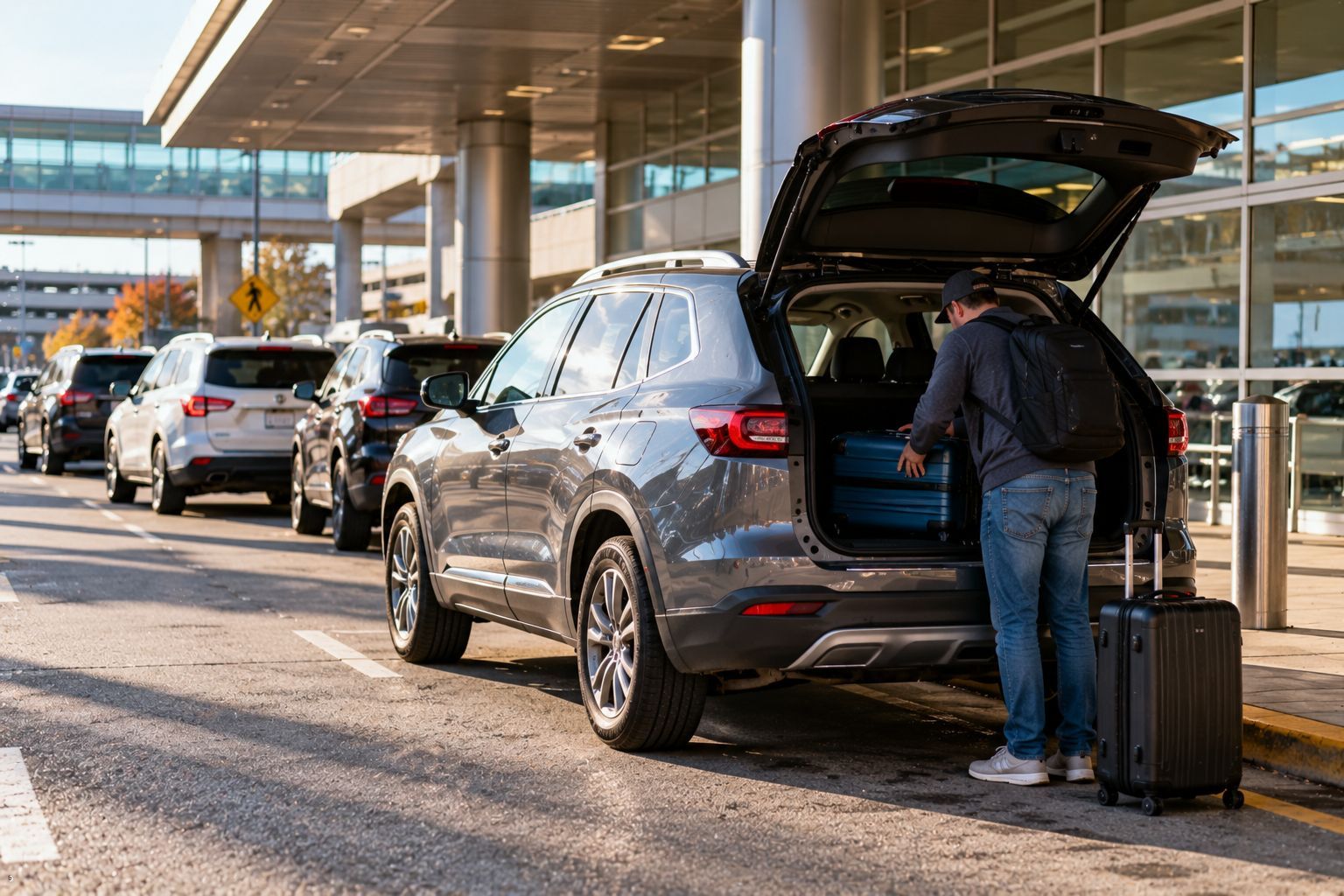
Rental car insurance for Pennsylvania drivers usually starts with the policy you already own. If you carry liability plus collision and comprehensive, most Pennsylvania auto policies extend that protection to a rental car you drive for personal use. The gaps are loss of use fees, rental company admin charges and business travel, and those gaps decide whether the counter waiver is worth buying.
Most people make this call at the counter, tired, with a line behind them and an agent reading off daily rates. Knowing ahead of time what your policy and credit card handle makes that moment much easier. The details below apply specifically to Pennsylvania, where state law requires insurers to tell you upfront whether rental collision damage is covered. Once you understand where the coverage holes usually sit, you can rent a car in Pittsburgh, Philadelphia or anywhere else with a clear sense of your risk.
When Your Own Pennsylvania Car Insurance Policy Covers a Rental
Yes, in most cases your personal policy follows you into a rental car. The liability portion almost always transfers. Collision and comprehensive coverage transfer too, but only if you carry them on your own vehicle. Your deductible comes along with them.
Pennsylvania makes this easier to confirm than many states. State law requires every auto policy to include a notice in boldface capital letters on the first page explaining whether it covers collision damage to rental vehicles. That notice is one of the clearest disclosures in the whole policy, so the answer is printed right at the front.
Your liability limits matter here as well. Pennsylvania's minimum liability limits are $15,000 per person, $30,000 per accident and $5,000 for property damage, and that $5,000 property damage figure can disappear fast if you hit a newer vehicle while driving a rental.
Carriers like Erie and Westfield, both of which MVP works with as an independent agent, generally extend personal coverage to short-term rentals. Each contract still has its own wording. If you want a broader look at how your coverage is built, our guide to pennsylvania car insurance walks through the core pieces.
Understanding the Hidden Risk of Loss of Use Fees
Your policy may pay to fix the rental's dented fender. It often won't pay the rental company for the days that car sits in the body shop instead of earning money. That charge is called loss of use, and it surprises a lot of renters.
Rental agencies calculate it from the daily rate they would have collected. A two-week repair on a midsize SUV can add up to several hundred dollars before anyone touches the paint. Pennsylvania courts generally treat loss of use as a valid property damage claim, so the rental company has solid footing when it bills you.
Loss of use is rarely the only extra charge. Personal auto policies in Pennsylvania frequently exclude what the industry calls junk fees:
- Administrative processing fees for handling the claim paperwork
- Storage fees while the damaged car waits for repairs
- Diminished value claims in some rental contracts
A common mistake is assuming "full coverage" means the claim ends once the repair bill is paid. Then a separate invoice shows up a month later. If the rental company pursues you for these costs, Pennsylvania gives parties two years from the accident date to file a property damage lawsuit, so the bill doesn't simply go away.
Credit Card Coverage and Secondary Insurance Protection
Most credit card rental benefits are secondary. That means they pay only after your personal auto insurance has processed the claim and you've covered your deductible. The card fills some gaps, but it doesn't replace your policy.
In practice it works like this. You damage the rental, file with your own carrier, and your insurer pays the repair minus your deductible. Then you submit paperwork to the card issuer, which may reimburse the deductible and sometimes loss of use, depending on the card's terms. That process can take weeks and usually requires the rental agreement, the damage report, repair estimates and your insurer's settlement letter.
Card benefits also come with exclusions that catch people off guard. Many exclude trucks, large vans, luxury vehicles and longer rentals. Nearly all require you to decline the rental company's waiver and pay for the whole rental with that specific card. A few premium cards offer primary coverage, which keeps your personal insurer out of it entirely. Those cards are the exception, though. Assume your card is secondary unless its benefits guide plainly says otherwise.
Comparing Rental Protection Options for PA Residents
Each layer of protection does something different, and they overlap less than people expect. This table shows typical coverage, not a guarantee for any specific policy or card.
| Protection | Covers rental damage? | Covers loss of use? | Deductible applies? | Affects your policy? |
|---|---|---|---|---|
| Personal policy with collision | Yes | Often no | Yes | Claim goes on record |
| Personal policy, liability only | No | No | N/A | Liability claims only |
| Secondary credit card benefit | After your insurer pays | Sometimes | May reimburse it | Primary claim still filed |
| Primary credit card benefit | Yes | Sometimes | Usually no | Typically no |
| Rental counter waiver | Yes | Usually yes | Usually none | No |
For most Pennsylvania families with full coverage on their own car, the realistic setup is the personal policy plus a secondary card. The counter waiver becomes the cleanest choice when your own coverage is thin or when you want to keep your insurer out of a rental accident entirely.
When to Buy the Counter Waiver from the Rental Company
The counter waiver, often called a collision damage waiver or loss damage waiver, makes sense in a few specific situations. It isn't technically insurance. It's an agreement that the rental company won't hold you responsible for damage, and it usually covers loss of use and admin fees too.
Buy it when:
- You carry only liability on your own car. Without collision coverage, nothing in your policy pays for damage to the rental.
- Your deductible is high. At $1,000 or more, paying a daily waiver fee on a short trip may cost less than the deductible risk.
- You're renting an expensive or unusual vehicle that your card benefit excludes.
- You're traveling abroad, where your Pennsylvania policy typically doesn't apply.
Protecting Your Personal Policy Premium
An at-fault rental accident gets reported on your personal policy like any other claim. Pennsylvania limits when insurers can surcharge you for that. As of this writing, the threshold rises to $2,350 effective July 1, 2026, so insurers can't raise your premium for a single accident below that amount. Rental repairs often go well past that once body work and parts are included. If keeping a clean record matters to you, especially with a teen driver already pushing up your rate, the waiver keeps the incident off your policy.
Renting for Business or Commercial Purposes
This is the gap that causes the most trouble. Many personal auto policies exclude vehicles used for business, so a rental for a sales call or job site visit may have no coverage from your personal policy at all. Some credit card benefits exclude business rentals as well. Unless your company carries hired and non-owned auto coverage, buying the waiver is the safer choice for work trips.
Frequently Asked Questions About Rental Coverage
Does my PA insurance cover rentals in other states? Yes. Pennsylvania auto policies typically cover you when renting anywhere in the United States and usually Canada. Your coverages and limits carry over the same way they would at home.
Will my credit card pay my deductible? Often, yes, if the card offers secondary rental coverage and you declined the counter waiver and paid with that card. You'll file with your own insurer first, then submit the claim to the card issuer for reimbursement.
Does liability insurance cover rental car damage? No. Liability pays for damage and injuries you cause to other people and their property, not the car you're driving. To cover the rental itself, you need collision coverage on your personal policy, a card benefit or the counter waiver.
Rental car insurance for Pennsylvania drivers comes down to three questions: whether your policy includes collision, how much loss of use exposure you're comfortable carrying, and whether the trip is personal or for work. Answer those before you get to the counter, and the waiver becomes an easy yes or no instead of a guess. If you'd like someone to look over your current coverage, MVP Insurance shops multiple carriers from offices in Zelienople, PA and New Springfield, OH. You can start your quote here and see where your gaps are. MVP Insurance is licensed in Ohio (#37714) and Pennsylvania (#519263), NPN 10588293.
Search
Recent Posts
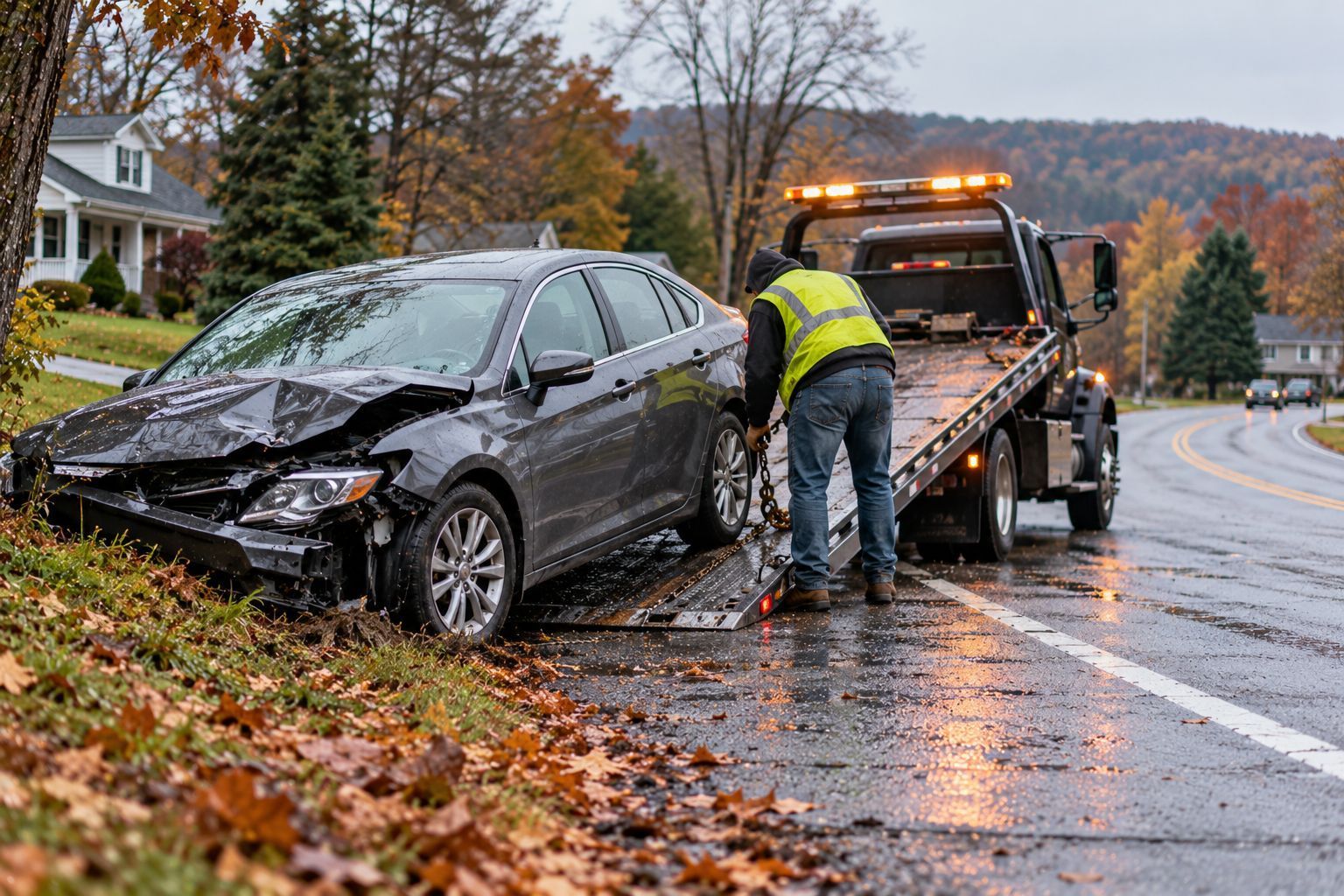
MVP Insurance is a local, independent agency, licensed to serve individuals and businesses across Ohio and Pennsylvania.
We serve clients from our offices in New Springfield, Ohio and Zelienople, Pennsylvania and throughout Northeast Ohio and Western Pennsylvania, working with multiple carriers to help contractors, landlords and real estate investors, restaurants, retail shops, auto repair shops, professional offices and many other personal and commercial clients find coverage that fits.
Our Owners
Two friends who started an agency
Owner
Joshua Medure
I am a Penn State marketing graduate with more than ten years in insurance. My childhood friend David and I started MVP Insurance in Northeast Ohio because we wanted the people around us to have an agency that gives honest advice, real choices and someone who picks up the phone. I lead the agency’s insurance strategy, which means I read the policies so our clients do not have to. Away from the office, I coach youth football.
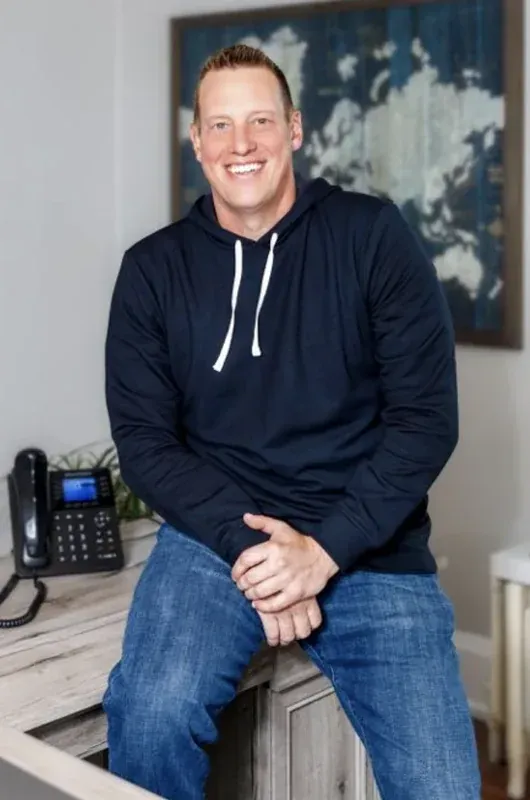

About the Author
David Varrati
Owner, MVP Insurance
I started MVP Insurance with my childhood friend Josh because we wanted people in Northeast Ohio and Western Pennsylvania to have an agency that explains things plainly and picks up the phone. I studied Political Science at Slippery Rock University and have spent more than ten years helping families and individuals protect what matters to them. When I am not in the office, you will find me coaching youth sports.