

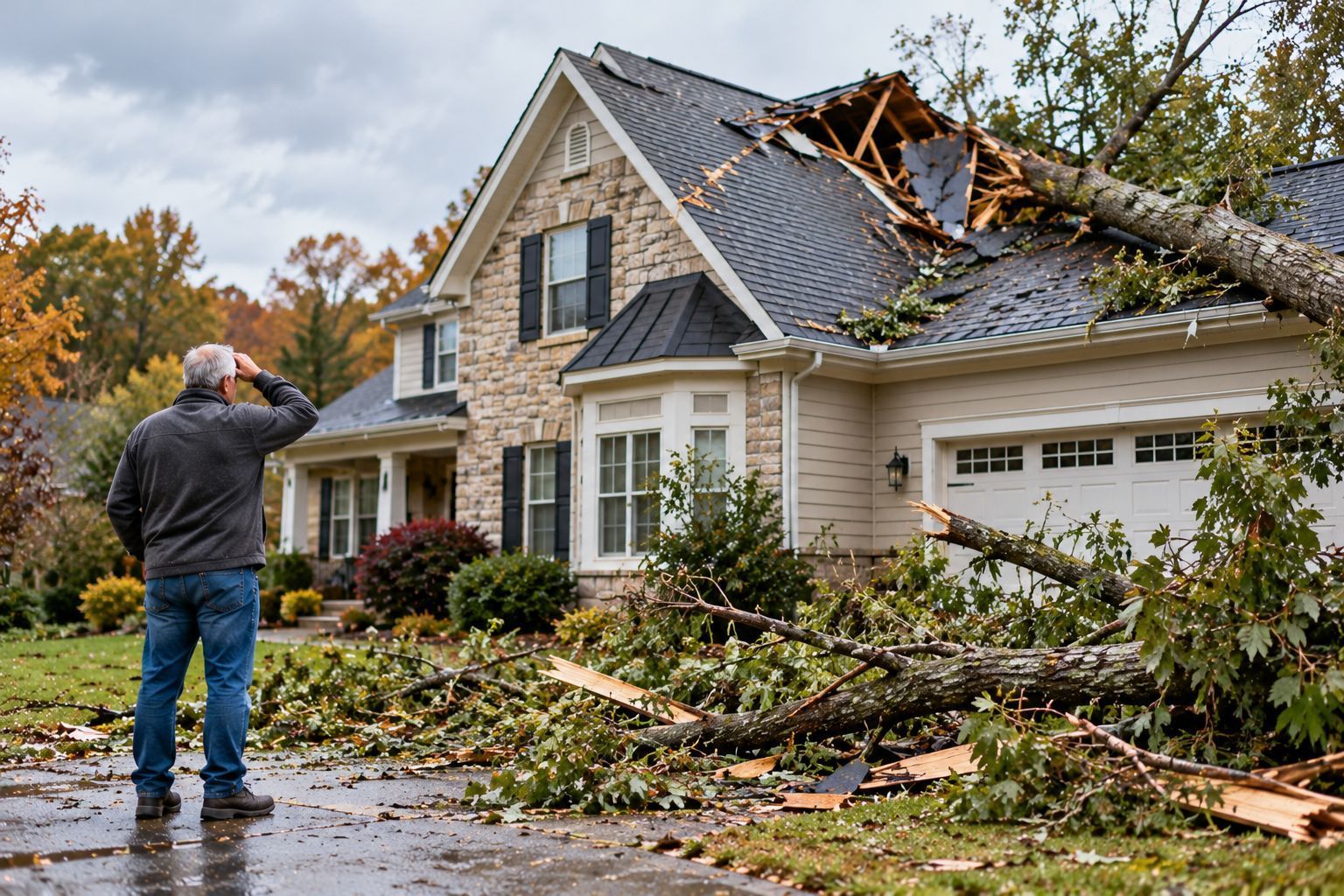
The Ohio Valley sits in a corridor where warm, humid air from the south meets colder systems from the west. The result is a steady run of thunderstorms, straight-line winds, hail, and heavy downpours that overwhelm older storm drains. For homeowners, that translates into very specific claims: shingles peeled off in a wind event, siding dented by hail, trees through the roof, and basements flooded by sewer backup.
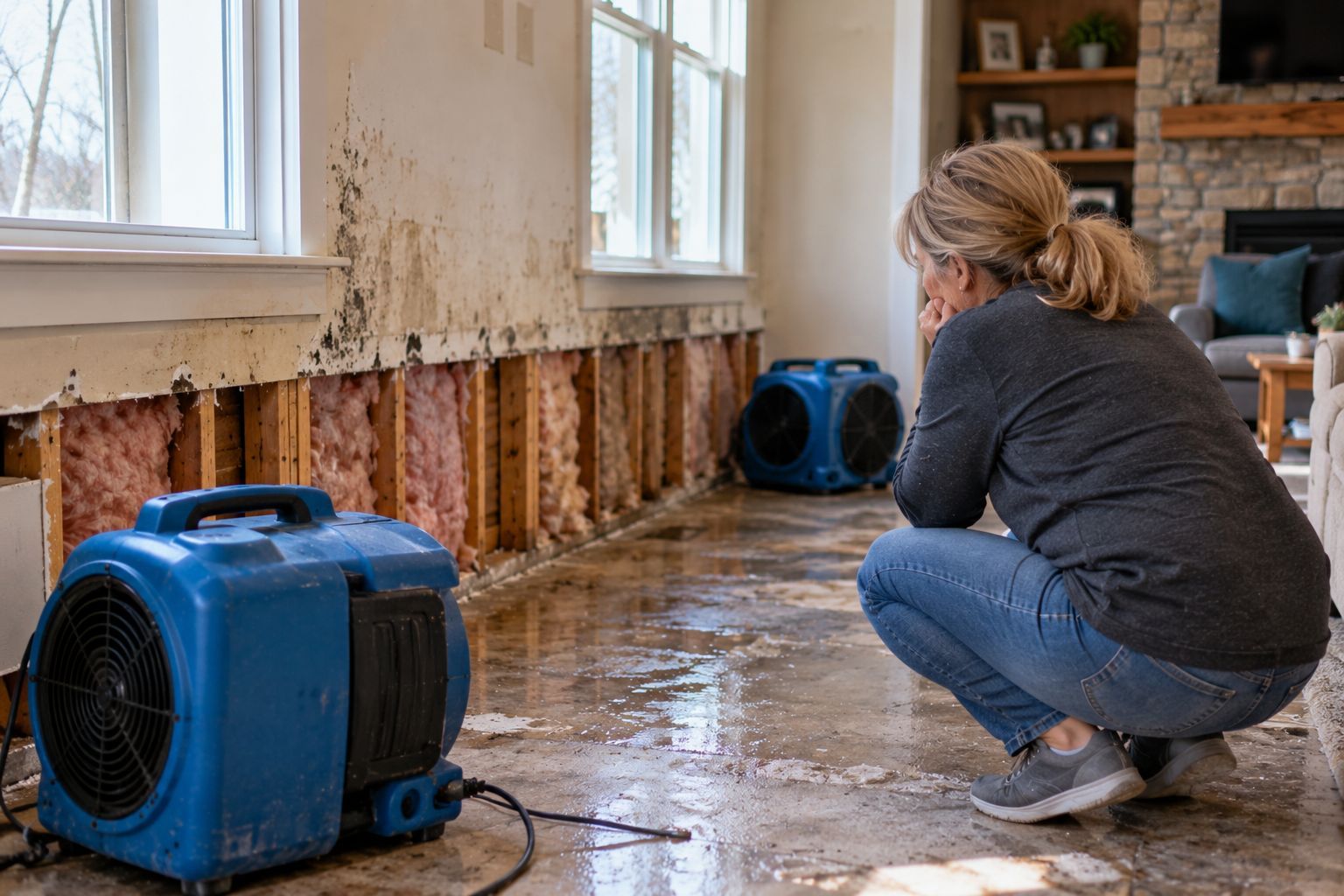
Sewer backup is a gap we see catch people off guard constantly. A standard policy usually excludes water that backs up through drains unless you've added a specific endorsement, and in a hillside neighborhood with aging municipal lines, one heavy storm can leave several inches of water in a finished basement. Carriers have watched these losses pile up across the region and priced accordingly.
Misclassification is the most common expensive mistake we see. A business gets lumped into one high-rated code, even though half the staff works in an office. Pennsylvania generally rates a business by its governing classification, but separate codes can apply when operations meet the PCRB's rules for division.
Take a small HVAC company where the owner's spouse handles billing full time. That clerical payroll may qualify for a far lower code than the field technicians' code. Review the classification page of your policy every year. If the description doesn't match what your people actually do, ask questions before the audit.
Your experience modifier compares your claims history to that of similar businesses. A 1.00 mod is average. A 0.85 mod cuts your premium by 15%, and a 1.25 mod raises it by 25%. Mods generally use three years of claims, excluding the most recent year, so today's injury affects your bill for years.
Frequency hurts more than severity. Five small medical-only claims often damage a mod more than one larger claim. Pennsylvania offers medical-only claim handling, but small injuries still need to be reported properly, so check how claims are counted before you decide how to handle minor incidents.
Frequently Asked Questions About PA Workers Comp Costs
Payroll" for workers comp means more than base wages. It generally includes overtime pay (with the premium portion often excluded), bonuses, commissions, holiday and vacation pay, and certain other compensation. Business owners often miscount this, and the error shows up at audit.
Corporate officers follow special rules. For policies effective April 1, 2026, officer payroll ranges from $70,044 to $280,800 per year for rating purposes. An officer who pays themselves very little still gets rated at the minimum, and high earners get capped at the maximum. That ceiling rose sharply this year, so owners who pay themselves well may see more of their salary counted than they did in past years.
Have this ready before the auditor calls:
- Certificates of insurance for every sub, with workers comp coverage dates that match the dates they worked for you
- Written contracts for each independent contractor, signed before work began
- 1099 list and payment totals that tie back to your general ledger
- Payroll records broken out by class code, including overtime
- Exemption documentation for any sole proprietor or partner claiming they're not required to carry coverage
Get the COIs directly from the sub's agent when you can. A certificate emailed by the sub themselves is easier to doctor or let lapse without notice.
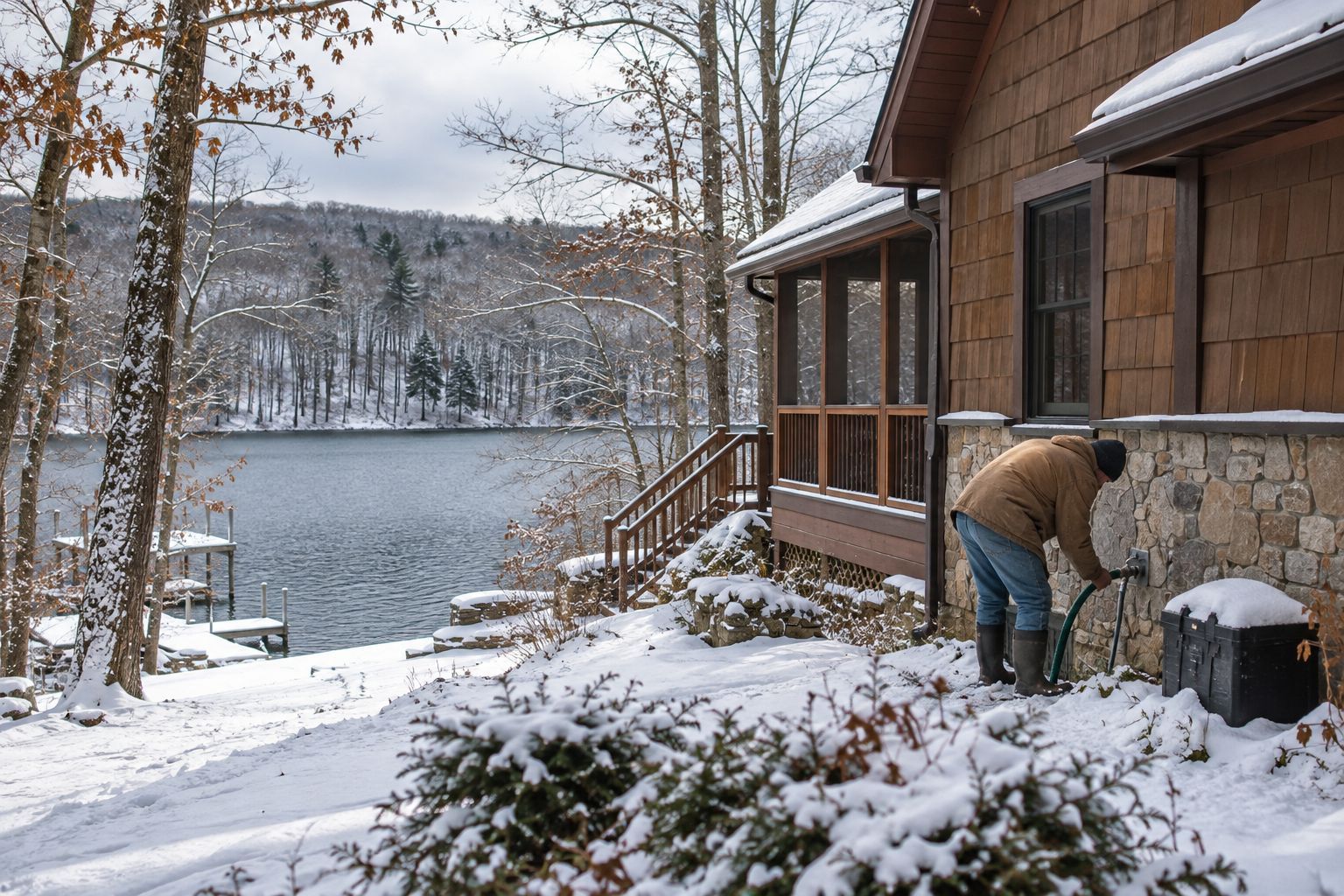
Winterizing a vacant or seasonal home in Pennsylvania comes down to three things: keep the heat at roughly 55 degrees or shut off the main water and drain every line, read your policy's vacancy clause before you leave, and have someone inspect the property every 7 to 14 days. Miss one of those, and a frozen pipe claim can get denied.
That last part is where most people get caught. A burst supply line in a Poconos cabin or a Lake Erie cottage can run water for weeks before anyone notices. By then, the damage is serious, and the insurer will want to know exactly how the house was left. Here is how to set things up so the answer works in your favor.
Winterizing a Vacant or Seasonal Home in Pennsylvania
The short version: you either keep the house warm enough to protect the plumbing, or you remove the water so there is nothing left to freeze. Most homeowners choose one approach. Some cautious owners do both, keeping a low heat setting and draining the system. On top of that, your insurance policy has its own rules about empty homes, called vacancy clauses, and those rules decide whether a claim gets paid.
Pennsylvania winters make this more than a technicality. A January cold snap in the northern tier can push temperatures well below zero, and an uninsulated crawlspace pipe will not survive that. Think of winterization as two parallel jobs: a physical one (heat, water, inspections) and a paperwork one (policy conditions, documentation, local filing rules). Doing only the physical work leaves you exposed if something still goes wrong.
Heat and Water Shutoff Conditions for Unoccupied Homes
Most carriers, including Erie and Frederick Mutual, typically require one of two conditions while a home sits empty: maintain heat at a set minimum, usually around 55 degrees, or shut off the water supply and drain the system. Policy language varies, so the exact wording in your declarations and endorsements matters. If the house is heated, the furnace has to actually stay running. If it is drained, it needs to be drained properly.
Maintaining a Safe Interior Temperature
Setting the thermostat to 55 degrees protects pipes inside heated walls, but it does not guarantee safety everywhere. Pipes in exterior walls, under kitchen sinks on outside walls, and in unheated crawlspaces can still freeze. Open cabinet doors under sinks so warm air reaches the plumbing, and consider heat tape on vulnerable runs.
The bigger risk is furnace failure. A pilot light goes out, a propane tank runs dry, or a power outage knocks out the blower. A smart thermostat or low-temperature sensor that sends an alert to your phone is cheap insurance against a four-figure repair bill. Keep the fuel delivery on automatic and confirm the tank level before you leave.
Draining the Plumbing System
Draining eliminates the frozen pipe risk almost entirely, but only if done thoroughly. A typical sequence looks like this:
- Shut off the main water valve and turn off the water heater (gas or electric).
- Open every faucet, both hot and cold, starting at the highest floor.
- Flush toilets and add non-toxic RV antifreeze to bowls and tanks.
- Pour antifreeze into sink, tub and floor drain traps.
- Drain the water heater and disconnect washing machine hoses.
- Blow out lines with compressed air if you have long or low runs.
Homes on wells need the pump shut off too. If you are unsure, hire a plumber and keep the receipt as proof.
Understanding Vacancy Clauses in Pennsylvania Policies
A vacancy clause limits or removes coverage once a home has been empty for a set period. In Pennsylvania, most policies trigger that clause after 30 to 60 consecutive days, and once it kicks in, coverage for water damage, vandalism and glass breakage can be reduced or excluded outright. That is exactly the window a seasonal owner hits every winter.
The distinction between "vacant" and "unoccupied" trips people up. A seasonal home with furniture, clothes and dishes that you return to each summer is often treated differently than a house emptied out for sale. Still, many standard homeowners forms are not built for a property nobody lives in for months at a time. The common mistake is assuming your primary home policy follows you, or that the policy written when you bought the cabin still fits how you use it now.
If the home sits empty for long stretches, a dedicated policy built for that use is usually the right fit. Specialized
pennsylvania second home insurance is designed around seasonal occupancy, with conditions that match the reality of a home closed for winter. A truly vacant property may need a vacant dwelling policy instead, which typically costs 1.5 to 3 times more than standard homeowners coverage because damage tends to go undetected longer.
Comparison of Coverage for Vacant vs. Seasonal Homes
The label on your property changes what you pay and what you are covered for. Here is how the common setups typically compare, keeping in mind that each carrier writes its own terms.
| Feature | Standard Homeowners | Seasonal/Second Home Policy | Vacant Dwelling Policy |
|---|---|---|---|
| Intended use | Primary residence | Part-time occupancy | Empty, no furnishings |
| Vacancy clause | Often 30-60 days | Built around seasonal gaps | Vacancy expected |
| Frozen pipe coverage | Conditional on heat/drain | Conditional on heat/drain | Often limited or excluded |
| Vandalism | Usually covered | Usually covered | May need endorsement |
| Relative cost | Baseline | Typically moderate increase | Typically 1.5-3x baseline |
| Inspection rules | Rarely specified | Often required | Usually required |
The practical takeaway: a furnished lake house you use every summer probably belongs in the middle column. An inherited house waiting on probate, with the furniture gone, fits the right column. Putting either one in the left column is how coverage gaps happen.
Establishing a Regular Inspection Schedule
Plan on a visit every 7 to 14 days, and document each one. Carriers may ask for proof of regular inspections after a loss, and a written log is far more convincing than "my neighbor drove by sometimes."
A good inspection takes 20 minutes and covers the problems that grow quietly:
- Thermostat reading and confirmation the furnace is cycling
- Ceilings and attic for roof leaks, ice dam stains or wet insulation
- Basement and crawlspace for standing water or sump pump issues
- Doors, windows and locks for signs of forced entry
- Exterior for downed limbs, snow load on the roof and blocked vents
- Fuel level on propane or oil tanks
Record the date, time, who visited and what they found. Take timestamped photos of the thermostat and any problem spots. If you cannot visit yourself, a trusted neighbor or a paid home-watch service works, as long as the log stays consistent.
Local rules can add their own schedule. Philadelphia, for example, requires an annual rodent inspection by a licensed pest control company for vacant structures under its vacant property code.
Carrier Requirements for Secondary Property Protection
Each carrier sets its own rules, so a requirement that applies with one company may not apply with another. Westfield, American Modern and Foremost each write secondary and seasonal properties, and their conditions on heat, shutoffs, monitoring and inspection frequency vary. Some may favor monitored alarms or water sensors, while others focus on how often the home is checked.
This is where policy details get technical fast. One form might define vacancy at 30 days, another at 60. One might require a central station alarm, another simply a working heat source. Reading the endorsements matters more than reading the marketing summary. As an independent agency, MVP Insurance works with carriers like these and can compare how each handles a seasonal home, so you are not stuck learning every carrier's fine print yourself.
There is also a newer state-level filing to know about. Pennsylvania Act 29, effective September 18, 2026,
requires owners of non-owner-occupied properties to provide contact information to the county chief assessor within 30 days of acquisition or a change in status. Skipping it or giving false information can bring
municipal fines of up to $500, as of this writing.
Frequently Asked Questions About Pennsylvania Winterization
How often should I check my vacant home?
Every 7 to 14 days is the typical standard. Keep a dated log with photos, because your insurer may ask for proof of visits after a claim.
What temperature should I leave my heat on?
Around 55 degrees is the common minimum most carriers expect. Add a low-temperature alert so you know right away if the furnace quits.
Does my insurance cover frozen pipes if I am away?
It usually does, but only if you met your policy's conditions, like keeping the heat on or draining the water. If the vacancy clause has kicked in, frozen pipe coverage can be reduced or excluded.
Closing Up the House With Confidence
Successful Pennsylvania winterization comes down to matching the house, the plumbing and the policy. Choose heat or drain (or both), keep a real inspection log, file your Act 29 information if it applies, and make sure your policy reflects how the home is actually used. The owners who struggle after a loss are rarely the ones who skipped a step on the checklist. They are the ones whose coverage never fit the property in the first place.
If you are not sure your current policy holds up through a long empty winter, now is the time to find out, before the first hard freeze. MVP Insurance, with offices in Zelienople, PA and New Springfield, OH, can compare seasonal and vacant home options across multiple carriers for you. Start your quote and get answers before you lock the door for the season.
MVP Insurance is licensed in Ohio (license #37714) and Pennsylvania (license #519263), NPN 10588293.
Search
Recent Posts

MVP Insurance is a local, independent agency, licensed to serve individuals and businesses across Ohio and Pennsylvania.
We serve clients from our offices in New Springfield, Ohio and Zelienople, Pennsylvania and throughout Northeast Ohio and Western Pennsylvania, working with multiple carriers to help contractors, landlords and real estate investors, restaurants, retail shops, auto repair shops, professional offices and many other personal and commercial clients find coverage that fits.
Our Owners
Two friends who started an agency
Owner
Joshua Medure
I am a Penn State marketing graduate with more than ten years in insurance. My childhood friend David and I started MVP Insurance in Northeast Ohio because we wanted the people around us to have an agency that gives honest advice, real choices and someone who picks up the phone. I lead the agency’s insurance strategy, which means I read the policies so our clients do not have to. Away from the office, I coach youth football.


About the Author
David Varrati
Owner, MVP Insurance
I started MVP Insurance with my childhood friend Josh because we wanted people in Northeast Ohio and Western Pennsylvania to have an agency that explains things plainly and picks up the phone. I studied Political Science at Slippery Rock University and have spent more than ten years helping families and individuals protect what matters to them. When I am not in the office, you will find me coaching youth sports.