
Frequently Asked Questions About Mine Subsidence
Raising your deductible is the fastest lever you have. Moving a standard deductible from $500 to $1,000 or $2,500 can reduce your premium by up to 25%. On a $1,600 annual premium, that could mean saving a few hundred dollars a year.
The trade-off is simple: you take on more of the small losses. Before raising it, ask yourself whether you could write a check for the new deductible tomorrow without touching credit cards. If yes, a higher deductible usually pays off within a few claim-free years. Also check whether your policy has a separate wind or hail deductible, sometimes set as a percentage of dwelling coverage, since that can be much larger than the flat amount you remember choosing.
How does credit score affect my PA rate?
Pennsylvania allows insurers to use a credit-based insurance score when setting rates, and stronger credit generally means a lower premium. Paying bills on time and keeping balances low can help your rate over time.
Does my location near a fire station matter?
Yes. Homes closer to a staffed fire station and a working hydrant usually get better pricing because fire damage tends to be less severe when help arrives quickly.
How often should I review my policy limits?
Review them at every renewal and any time you renovate, add a big purchase, or finish a basement. With rebuilding costs rising, a limit that fit three years ago may now fall short.
Coverage through the association is not unlimited. As of this writing, most property and casualty claims are typically capped at $300,000 per claim [https://govt.westlaw.com/pac/Document/N92524E00342611DA8A989F4EECDB8638?viewType=FullText&originationContext=documenttoc&transitionType=CategoryPageItem&contextData=(sc.Default)]. Workers' compensation is the big exception, with no cap on covered benefits.
That $300,000 figure catches people off guard [https://govt.westlaw.com/pac/Document/N92524E00342611DA8A989F4EECDB8638?viewType=FullText&originationContext=documenttoc&transitionType=CategoryPageItem&contextData=(sc.Default)]. Picture a homeowner with a $550,000 dwelling limit whose house burns down a week after their insurer is ordered into liquidation. Their policy promised more than half a million dollars, but the guaranty association will typically pay up to its cap. The rest becomes a claim against the failed insurer's estate, which may pay a portion years later, or nothing.
A few other rules shape what you'll actually receive:
- Unearned premium refunds are limited. If you prepaid for months of coverage you never got, the return of that premium is capped at $10,000 per policy.
- Large businesses face exclusions. PPCIGA excludes first-party claims from any insured whose net worth exceeded $25 million as of December 31 of the year before the insolvency. Bigger companies are expected to absorb losses themselves.
- Duplicate recovery isn't allowed. If another policy covers the same loss, you generally have to pursue that coverage first.
For most families, the cap is high enough to handle a typical auto accident or a burst pipe claim. The pain shows up with total losses on higher-value homes, serious injury liability claims, and commercial property losses.
One detail deserves extra attention. Sinkhole endorsements typically cover structures and personal property, not the land itself. Stabilizing the void, grouting, or filling the hole may remain your expense even after a claim is approved.
There's also movement at the state level. House Bill 589 would create a state-run program offering up to $150,000 in coverage for natural sinkholes and landslides, started with a $10 million General Fund appropriation and intended to become self-sustaining through premiums. As of this writing, the bill remained under consideration in the Senate after passing the House in September 2025. Supporters described it as recognizing that the commercial insurance industry is not stepping up to cover these costs, and the proposal would offer premium credits to communities that adopt mitigation practices.
| Requirement | Motorized Boats & PWCs | Non-Motorized (Kayak, Canoe, SUP) | Insurance Impact |
|---|---|---|---|
| Registration | Required for all | Required at PFBC or state park access (or launch permit) | Proof often needed to bind a policy |
| Safety Certificate | Required for PWCs; motorboats over 25 hp if born 1982 or later | Not required | Can help eligibility and may earn credits |
| Age Limits | No PWC or 25+ hp boat at 11 or younger | No state minimum | Underage operation can complicate claims |
| BAC Limit | 0.08% (0.02% under 21) | Same limits apply | BUI can lead to cancellation or non-renewal |
| Accident Reporting | 48 hours for injury/death; 10 days for $2,000+ damage | Same rules apply | Late reporting can weaken your claim |
| Typical Coverage Need | Liability, physical damage, towing | Liability, theft | Lenders and marinas often require coverage |
| Coverage | State Minimum | Common Higher Choice |
|---|---|---|
| Bodily injury (per person) | Low required floor | Several times the minimum |
| Bodily injury (per accident) | Low required floor | Matched to your assets |
| Property damage | Very low floor | High enough to replace a newer vehicle |
| Medical benefits | Required | Higher limits often added |
| Feature | Original Medicare + Medigap | Medicare Advantage |
|---|---|---|
| Doctor choice | Any provider taking Medicare | Usually a network |
| Monthly premium | Higher | Often lower |
| Costs when you get care | Low, predictable | Copays and coinsurance |
| Drug coverage | Separate Part D plan | Often included |
| Travel coverage | Nationwide | Limited outside network |
| Health questions | None during 6-month open enrollment | Generally none |
| Switching later | Easy to move to Advantage | Medigap may require underwriting |
Pennsylvania Statute of Limitations and Claim Deadlines
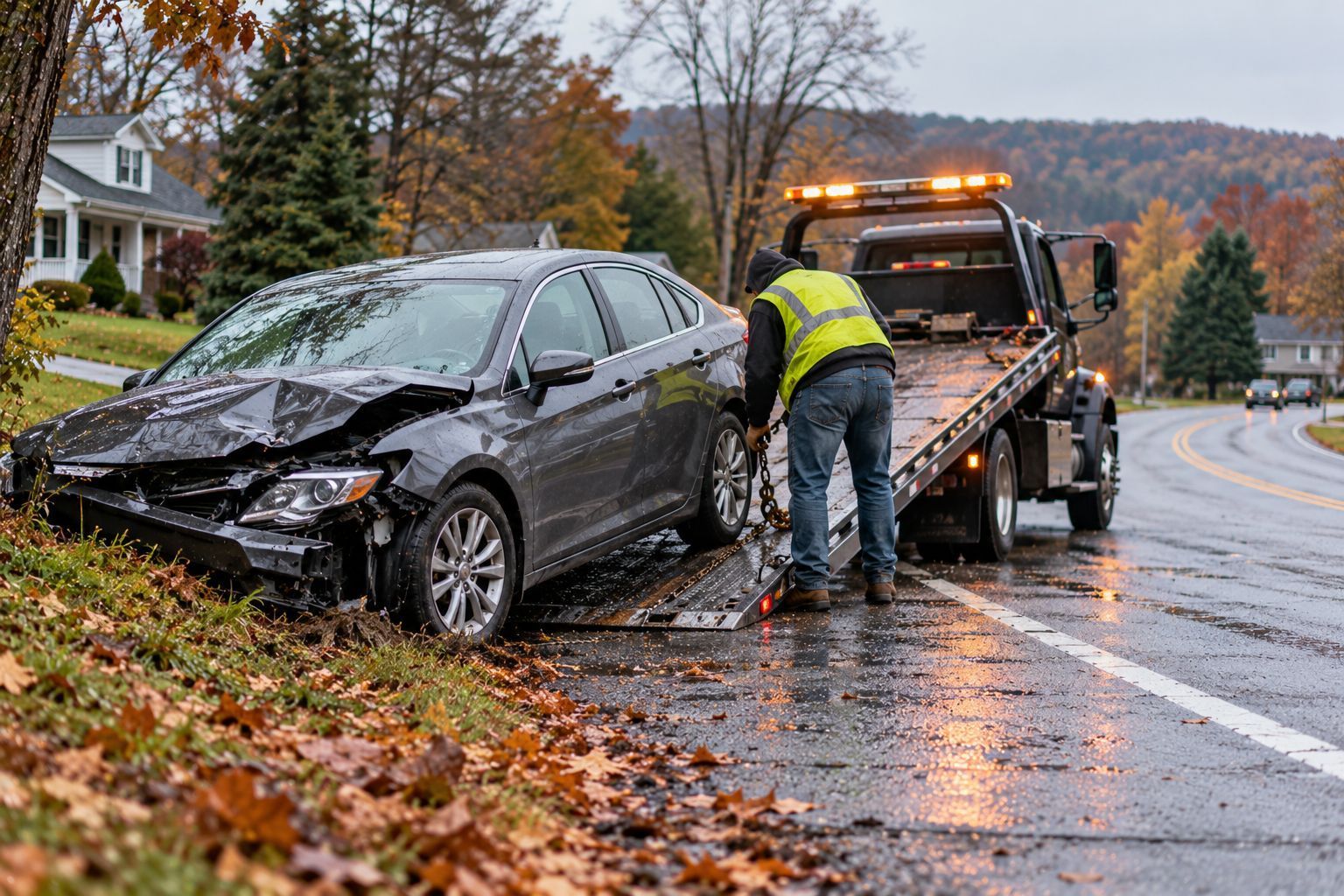
Here's where minimum-limit policies hurt people. Property damage minimums haven't kept pace with what cars cost. Hit a new pickup truck or a luxury SUV, and you can blow past a minimum limit before the tow truck arrives. Anything above your limit becomes your personal responsibility.
There's some good news on the pricing side. State insurance officials have pointed to a stabilizing market that "will help keep more money in Pennsylvanians' pockets." And as of this writing, the accident surcharge threshold rose to $2,350 effective July 1, 2026, which means insurers can't raise your premium for a single accident with costs below that amount. Small claims shouldn't scare you away from reporting.
What you pay for life insurance in Pennsylvania comes down to timing, health, and honest disclosure. Buying younger locks in a lower level premium, improving one health marker can move you up a class, and quitting nicotine opens up nonsmoker rates. Hobbies and occupations add cost, but how much depends on which carrier reviews your file, so comparison matters more for you than for most applicants.
If you want to see what the numbers look like for you, MVP Insurance can compare options across multiple carriers from our offices in Zelienople, PA and New Springfield, OH. You can start your quote in a few minutes and get a side-by-side view without calling each insurer yourself. MVP Insurance holds Ohio license #37714, Pennsylvania license #519263, and NPN 10588293.
The right policy is the one your family can count on and you can comfortably afford for the full term.
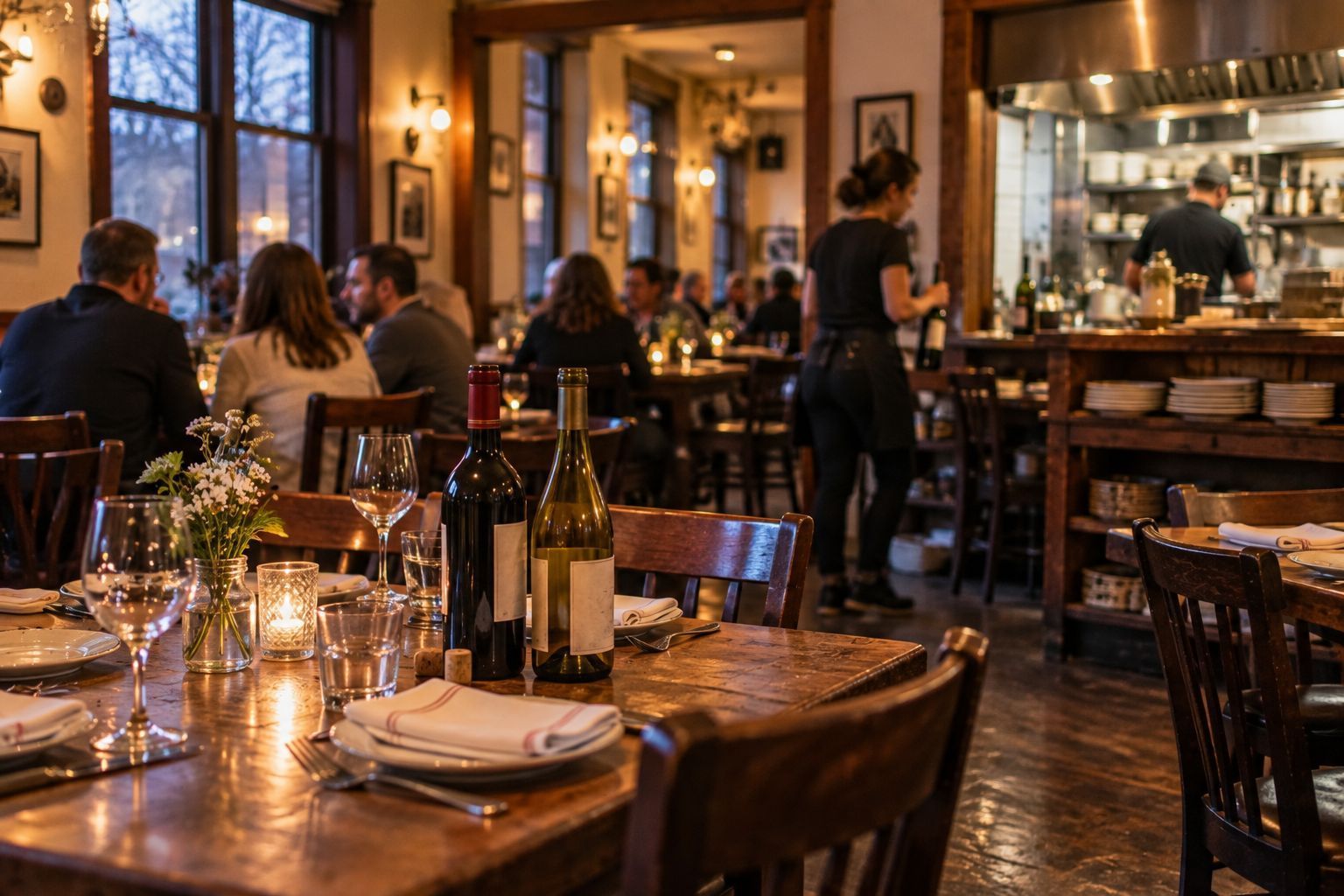
Yes, a BYOB restaurant in Pennsylvania can be held liable when a guest drinks too much and hurts someone, even though the restaurant never sold a drop. Owners face negligence claims tied to how staff handle intoxicated guests. Host liquor liability coverage, clear corkage policies and trained servers are the main ways to manage that exposure.
That answer surprises a lot of owners. Pennsylvania has a strong BYOB culture, from small Italian spots in Pittsburgh's suburbs to the dense cluster of bring-your-own dining rooms in Philadelphia. Many of those owners assume that skipping a liquor license means skipping liquor risk. It doesn't. The bottle may belong to the customer, but the dining room, the staff and the decisions made at 10:30 on a busy Saturday belong to the restaurant. When something goes wrong after a guest leaves, the lawsuit usually names everyone connected to the night, and the place where the drinking happened sits near the top of that list. What follows covers how the law treats BYOB spots, why the "we don't serve it" defense has limits, what host liquor coverage actually does, and how corkage fees and staff training change your risk picture.
Understanding BYOB Restaurant Liability in Pennsylvania
BYOB restaurants don't sell alcohol, but they can still be sued under Pennsylvania common law negligence theories, and plaintiffs' attorneys often borrow arguments built around the Dram Shop Act when a patron is visibly intoxicated and later injures someone. Not holding a license reduces some exposure. It doesn't eliminate it.
Start with the basics. Pennsylvania restaurants do not need a PLCB liquor license to let patrons bring their own alcohol for on-site consumption. Enforcement falls to the Pennsylvania State Police, Bureau of Liquor Control Enforcement, not the PLCB itself. Any alcohol guests bring in must also be legally purchased within Pennsylvania, so a case of wine picked up across the Ohio line technically breaks the rules.
The Dram Shop Act is written mainly for licensees who serve visibly intoxicated people. A BYOB owner may argue it doesn't apply, and that argument has real weight. But a plaintiff can still claim the restaurant was negligent in supplying glasses, ice and setups to someone obviously impaired, or in failing to stop a minor from drinking. Courts tend to look closely at who had a license and who had control, a theme visible in the Superior Court's August 2026 ruling in Newlin v. Vita Healthcare Group, which tied corporate negligence liability to licensure and direct contractual relationships. In a dining room, though, the restaurant usually has plenty of control.
Why Bring Your Own Bottle Is Not Risk Free
The establishment can still be held responsible for intoxicated guests because its staff are watching, pouring and deciding who stays. Your insurance has to account for that monitoring role, not just the fact that you don't sell drinks.
Picture a party of six celebrating a birthday with four bottles of wine and a bottle of bourbon. Your server opens the wine, brings rocks glasses, and keeps refilling water. One guest gets loud, stumbles near the host stand, then drives away and rear-ends a family at a light. The injured family's attorney will ask what your server saw, whether anyone suggested a ride, and why the restaurant kept providing glassware. Every one of those questions points back to your staff.
Minors create another exposure point. If a 19-year-old at a family table sips from a parent's glass and later gets hurt, your restaurant can be pulled into the claim. Fights are a third. Insurers have been tightening assault and battery sublimits in 2026, frequently capping that coverage somewhere between $250,000 and $500,000, which can leave a gap when an alcohol-fueled altercation causes serious injury.
Legal commentators note that state liquor law reaches farther, enforces harder, and punishes mistakes more severely than most commercial regulation. That's a good reason to treat BYOB as a managed risk rather than a loophole. A solid pennsylvania restaurant insurance program should name the alcohol exposure directly instead of hoping a general policy quietly covers it.
The Role of Host Liquor Liability Coverage
Host liquor liability covers businesses that allow or provide alcohol without being in the business of selling it. For a BYOB restaurant, it's usually the primary defense against alcohol-related lawsuits, while standard liquor liability is designed for licensed bars and restaurants that sell drinks.
The distinction matters because many general liability policies exclude claims arising from alcohol for any business "engaged in" manufacturing, selling or serving it. Host liquor coverage carves back protection for incidental exposure, like guests drinking their own wine with dinner. It pays for defense costs and settlements if someone claims your business contributed to an intoxicated guest's injury or someone else's. Full liquor liability, by contrast, is built around businesses that sell or serve alcohol for profit and is priced around liquor receipts.
Host Liquor vs. General Liability Protection
BYOB establishments typically carry host liquor liability as part of their general liability policy, often included automatically to cover incidental alcohol exposure. The catch is that "included" doesn't always mean "adequate." Some forms limit host liquor to events, others shrink the limit, and some quietly drop it once the insurer decides your operation looks more like a seller than a host.
A common mistake we see: an owner adds a corkage fee, a wine-chilling service or a partnership with a nearby bottle shop, never tells the agent, and assumes the original host liquor endorsement still fits. When a claim comes in, the carrier reviews what the restaurant actually did that night. Read the endorsement, confirm the limit, and update your agent any time your alcohol practices change.
Pennsylvania Corkage Policies and Legal Exposure
Charging a corkage fee can make your restaurant look more like a licensed establishment, both to insurers and to a plaintiff's attorney. Money changing hands tied to alcohol is the detail that blurs the line between hosting and selling.
A flat $5 or $10 per bottle seems harmless. Your servers open the wine, pour it and clear the bottles, and you collect revenue connected to that service. In a lawsuit, that fee becomes evidence that alcohol was part of your business model, which supports the argument that your staff owed a higher duty of care. An underwriter may see the same thing and ask whether host liquor is still the right fit or whether a liquor liability policy is more appropriate.
That doesn't mean you should never charge corkage. It means you should:
- Disclose it to your agent and carrier before you start charging
- Write it down in a policy covering bottle limits, glassware and service
- Keep it modest and framed as a service fee, not alcohol revenue
- Avoid extras like selling mixers, ice buckets of beer or "house" bottles stored for regulars, which push you closer to sale territory
Some owners also cap bottles per guest. A two-bottle-per-table rule gives staff a clear, defensible reason to say no.
Comparing Coverage Options for PA Restaurants
BYOB restaurants usually rely on host liquor coverage inside a general liability policy, while licensed venues need standalone or packaged liquor liability with stricter underwriting. Carriers like Erie, Westfield and Frederick Mutual each approach this a bit differently, and MVP Insurance works with them as an independent agent rather than as the carrier.
As of this writing, here's how the two setups typically compare:
| Feature | BYOB Restaurant | Licensed Restaurant/Bar |
|---|---|---|
| Main alcohol coverage | Host liquor liability | Liquor liability |
| Where it lives | Often within general liability | Separate policy or endorsement |
| Typical limits | Often matches GL per-occurrence limit | Selected separately, often higher |
| Rating basis | Sales, square footage, seating | Liquor receipts share of sales |
| Assault & battery | Sublimits common, often $250K-$500K | Sublimits common, often $250K-$500K |
| Underwriting asks | Corkage practices, hours, staff training | RAMP status, closing time, entertainment |
| Umbrella fit | Usually straightforward | May require minimum underlying limits |
Carrier appetite varies. Erie and Westfield commonly write restaurant packages for Pennsylvania operations, and Frederick Mutual can be a fit for smaller local businesses. Late hours, live music or high alcohol volume will change which options make sense, so comparing more than one carrier tends to reveal real differences in endorsements, not just price.
Mitigating Risks for BYOB Establishments
The two steps that cut exposure most are RAMP training for staff and clear written alcohol policies. Both reduce the chance of a claim and make underwriters, including those at carriers independent agencies work with, more comfortable writing your restaurant.
RAMP (the Responsible Alcohol Management Program) is Pennsylvania's own server and manager training. BYOB restaurants aren't licensees, but putting your staff through the server/seller course teaches them to spot visible intoxication, check IDs properly and refuse service without starting a scene. If a claim is ever filed, a training certificate in the employee file is far stronger than "our servers use common sense."
Your written policy should be short enough that staff actually follow it. Cover these points:
- ID checks for anyone who appears under 35 at a table with alcohol
- Bottle limits per table or per guest
- When servers stop pouring and remove glassware
- Who has authority to cut a table off (ideally a manager on every shift)
- Ride options, like calling a rideshare, before an impaired guest leaves
- An incident log, filled out the same night
Post the BYOB rules on your website and menu too. Guests who know the rules ahead of time argue less at the table, and you have a record showing you set expectations.
Common BYOB Insurance Questions
Is BYOB legal in Pennsylvania? Yes. Restaurants don't need a liquor license to let guests bring their own alcohol, but the alcohol must be bought legally in Pennsylvania, and State Police can still enforce liquor laws on your premises.
Do BYOB restaurants need special insurance? No law forces it, but you should confirm your general liability policy includes host liquor liability with a limit that matches your risk. Without it, an alcohol claim might not be covered at all.
What happens if a guest drinks at my restaurant and gets in a car accident? The injured people may sue your restaurant, claiming your staff should have stopped the guest. Host liquor coverage typically pays for your legal defense and any settlement, up to the policy limit.
The short version: BYOB restaurant liability in Pennsylvania is real, but it's manageable. Confirm your host liquor coverage, tell your agent about any corkage fee, and train your team before a busy night tests them. Those three moves handle most of what goes wrong.
If you'd like a second set of eyes on your policy, start a quote with MVP Insurance. As an independent agency with offices in Zelienople, PA and New Springfield, OH, we compare restaurant coverage from multiple carriers so you can focus on the dining room. MVP Insurance is licensed in Ohio (#37714) and Pennsylvania (#519263), NPN 10588293.
Search
Recent Posts
MVP Insurance is a local, independent agency, licensed to serve individuals and businesses across Ohio and Pennsylvania.
We serve clients from our offices in New Springfield, Ohio and Zelienople, Pennsylvania and throughout Northeast Ohio and Western Pennsylvania, working with multiple carriers to help contractors, landlords and real estate investors, restaurants, retail shops, auto repair shops, professional offices and many other personal and commercial clients find coverage that fits.
Our Owners
Two friends who started an agency
Owner
Joshua Medure
I am a Penn State marketing graduate with more than ten years in insurance. My childhood friend David and I started MVP Insurance in Northeast Ohio because we wanted the people around us to have an agency that gives honest advice, real choices and someone who picks up the phone. I lead the agency’s insurance strategy, which means I read the policies so our clients do not have to. Away from the office, I coach youth football.
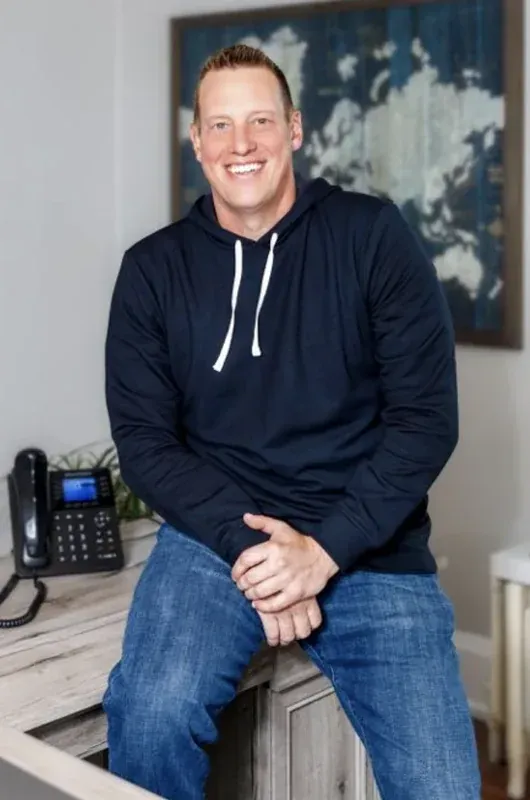

About the Author
David Varrati
Owner, MVP Insurance
I started MVP Insurance with my childhood friend Josh because we wanted people in Northeast Ohio and Western Pennsylvania to have an agency that explains things plainly and picks up the phone. I studied Political Science at Slippery Rock University and have spent more than ten years helping families and individuals protect what matters to them. When I am not in the office, you will find me coaching youth sports.